
Plant-Based Eating vs. Omnivore Diets: A Nutritional Comparison

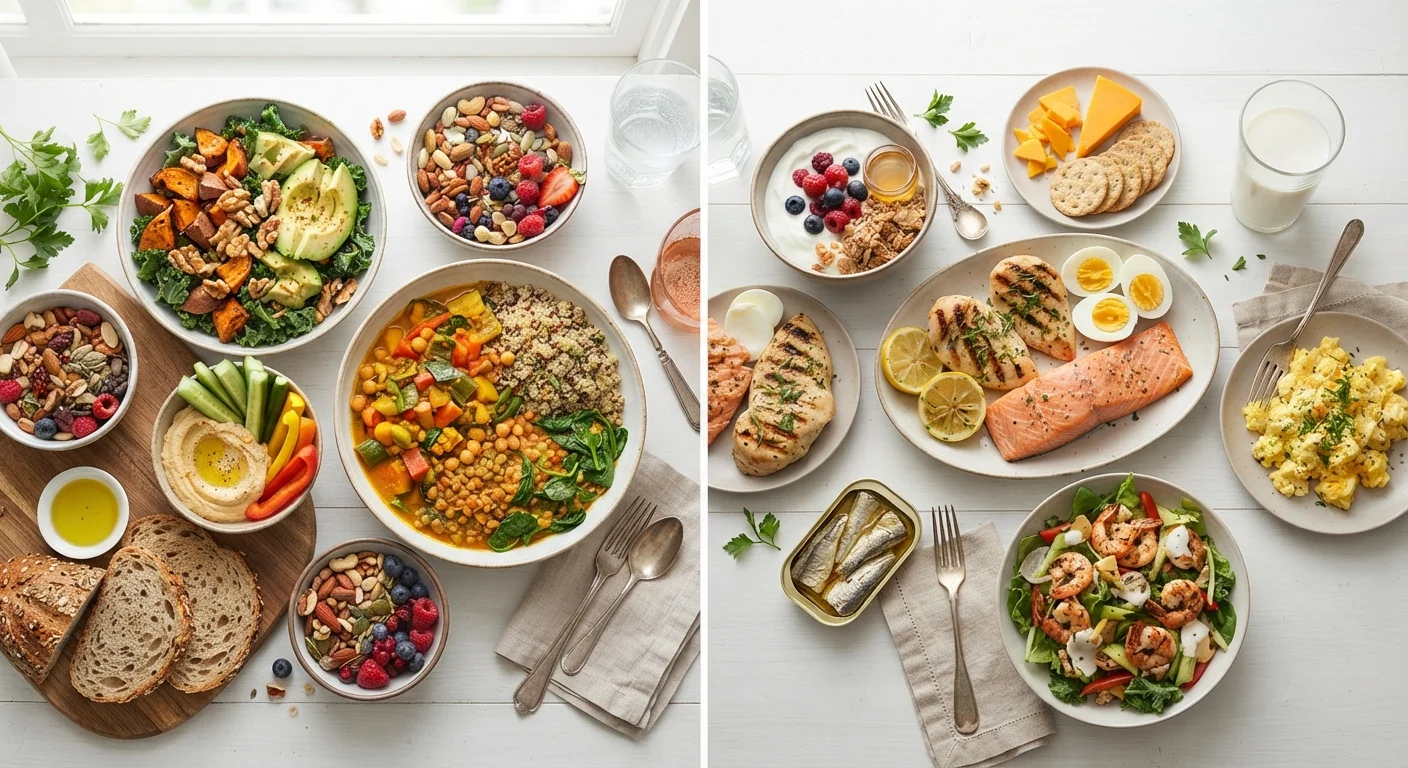
Photo: BridgeWish.com | Reliable Source Of Information editorial
Key Takeaways
- Neither plant-based nor omnivore diets are automatically healthier — food quality within each pattern matters most.
- Plant-based diets require planning around vitamin B12, iron, zinc, calcium, and omega-3 fatty acids.
- Omnivore diets offer broad nutrient access but carry risks if heavily centered on processed or red meat.
- Both patterns can be nutritionally adequate when built around whole, minimally processed foods.
- Consulting a registered dietitian can help tailor either approach to your personal health needs.
What Each Dietary Pattern Actually Means
A plant-based diet emphasizes foods derived from plants — vegetables, fruits, whole grains, legumes, nuts, and seeds — while minimizing or eliminating animal products. The spectrum ranges from fully vegan (no animal products) to flexitarian (mostly plants, with occasional meat or dairy). Plant-based and vegan eating differ more than most people realize, including in motivation and food rules.
An omnivore diet includes both plant and animal foods with no categorical exclusions. In practice, omnivore eating patterns vary enormously — a diet built on grilled fish, whole grains, and vegetables looks very different from one centered on processed meats and refined carbohydrates, even though both qualify as omnivore.
This distinction matters: comparing the two patterns at their best is more instructive than comparing an idealized version of one against the worst version of the other.
Key Nutrients: Where Each Pattern Excels and Falls Short
Each dietary approach has nutritional strengths and predictable gaps. Understanding them is the foundation for eating well within either framework.
| Nutrient / Factor | Plant-Based Diet | Omnivore Diet | |
|---|---|---|---|
| Protein completeness | Requires combining sources; achievable | Easily met via meat, fish, dairy, eggs | |
| Vitamin B12 | Deficient — supplement or fortify | Generally adequate from animal foods | |
| Iron absorption | Non-heme iron; lower bioavailability | Heme iron; higher bioavailability | |
| Dietary fiber | Typically high | Varies; often lower | |
| Omega-3 (EPA/DHA) | Limited; algae supplements help | Good from fatty fish | |
| Saturated fat intake | Generally lower | Varies; can be elevated | |
| Diet flexibility | Requires more planning | Broad food access, less planning |
For a deeper look at how protein quality differs between these patterns, see this comparison of plant-based and animal protein nutritional profiles.
Pairing Nutrients Boosts Absorption
Nutrient Gaps and How to Address Them
Plant-based eaters face predictable shortfalls in several nutrients that are either absent or poorly absorbed from plant sources:
- Vitamin B12: Found almost exclusively in animal foods. Supplementation or fortified foods are considered essential for those avoiding all animal products.
- Heme iron and zinc: Plant foods contain non-heme iron and zinc, which the body absorbs less efficiently. Pairing iron-rich plants with vitamin C can improve absorption.
- Omega-3 fatty acids (EPA and DHA): These are found primarily in fatty fish. ALA from flaxseed and walnuts converts to EPA/DHA only at low rates; algae-based supplements offer a direct plant-derived source.
- Calcium and vitamin D: Requires intentional food choices — fortified plant milks, tofu made with calcium sulfate, and leafy greens like bok choy can help.
Omnivore eaters are less prone to these specific deficiencies but may underconsume fiber and certain phytonutrients if vegetables, legumes, and whole grains are not prioritized. Diets heavy in processed red meat are also associated — in observational research — with elevated cardiovascular risk, though individual eating patterns vary widely.
Ultra-Processed Doesn't Become Healthy With a Label
Exploring how major dietary patterns compare can help contextualize where plant-based and omnivore eating fit within the broader landscape of evidence-based nutrition.
Making Either Approach Work in Practice
The quality of a diet matters more than the label on it. Here are practical principles that apply within both patterns:
- Prioritize whole foods. Whether plant-based or omnivore, diets built on minimally processed ingredients consistently show stronger nutritional profiles than those relying on convenience or ultra-processed options.
- Diversify your plate. Variety within food groups ensures a broader spectrum of vitamins, minerals, and phytonutrients.
- Plan for known gaps. Plant-based eaters should audit their intake of B12, iron, calcium, and omega-3s. Omnivore eaters should ensure adequate fiber and vegetable variety.
- Seek professional guidance. A registered dietitian can evaluate your specific needs, health history, and goals — especially important for those with chronic conditions or during pregnancy.
If you're curious about shifting toward more plant-centered eating, this starter's overview for curious omnivores outlines common pitfalls and how to begin. For an even broader comparison of dietary approaches including Mediterranean and flexitarian eating, see how Mediterranean, DASH, and flexitarian diets compare.
This article is for general informational and educational purposes only and is not a substitute for personalized medical or nutritional advice. Consult a qualified healthcare provider or registered dietitian before making significant changes to your diet.
The content on this site is for informational purposes only and is not a substitute for professional advice. Always consult a qualified professional for guidance specific to your situation.