
Plant-Based vs. Vegan Eating: The Difference Is More Than Semantics

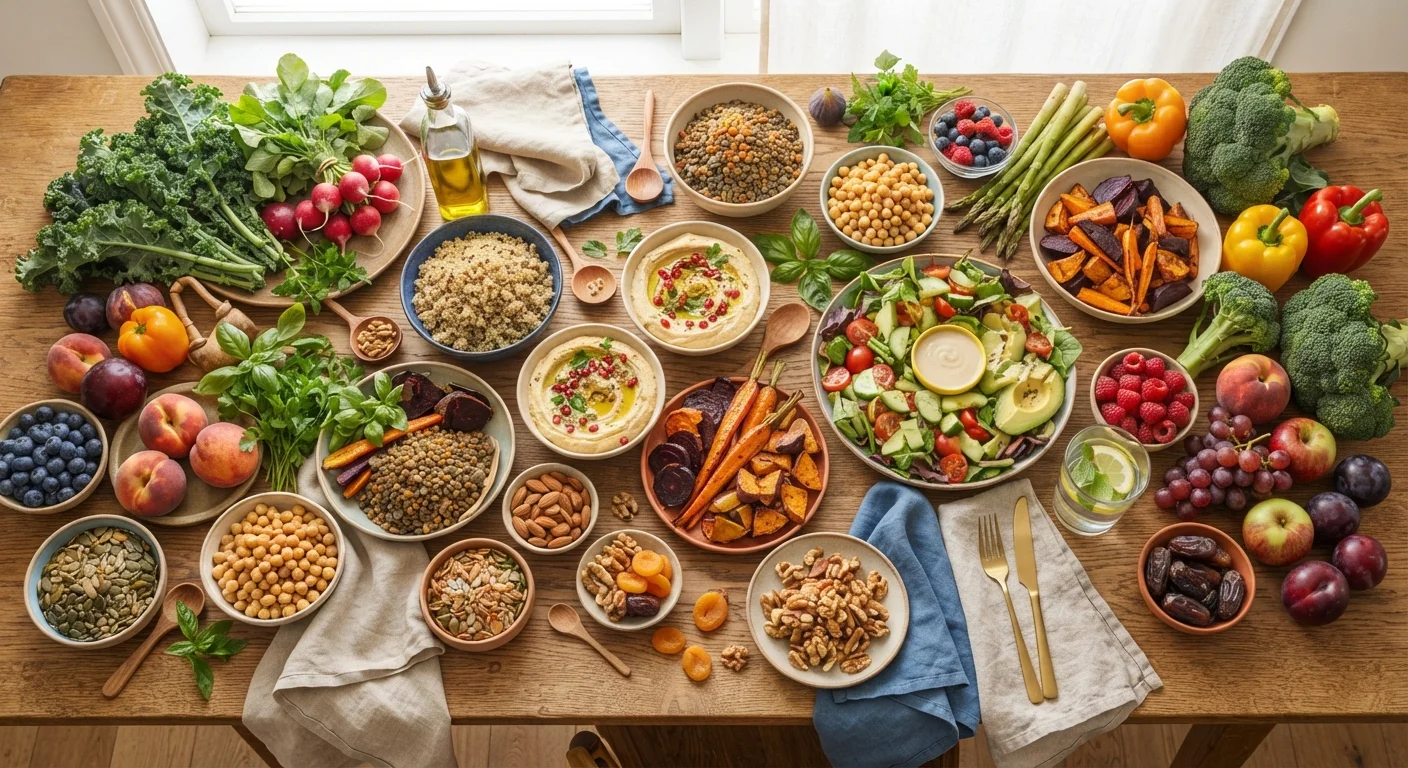
Photo: BridgeWish.com | Reliable Source Of Information editorial
Key Takeaways
- Plant-based eating is primarily health-motivated and flexible; veganism is ethics-driven and strictly excludes all animal products.
- A plant-based diet may still include small amounts of animal foods; a vegan diet does not — by definition.
- Veganism extends beyond food to exclude animal-derived clothing, cosmetics, and other products.
- Both patterns can be nutritionally complete when planned thoughtfully, but may require attention to specific nutrients.
- The right choice depends on your personal motivations, values, and practical lifestyle needs.
Two Terms, Two Different Starting Points
Walk through any grocery store or scroll a food blog and you'll see "plant-based" and "vegan" treated as synonyms. They're not. Both patterns emphasize foods derived from plants, but the motivations behind them — and the rules that follow — are meaningfully different.
Plant-based eating is primarily a dietary framework. Its central idea is that the bulk of your calories and nutrients should come from vegetables, fruits, whole grains, legumes, nuts, and seeds. The motivation is usually personal health. Most people who identify as plant-based are trying to improve cardiovascular health, manage weight, or simply eat more whole foods. Crucially, the definition is flexible: some plant-based eaters include modest amounts of animal products — an egg here, some yogurt there — without violating any principle of the approach.
Vegan eating, by contrast, is rooted in an ethical stance. The term was coined in 1944 by The Vegan Society to describe a philosophy that seeks to exclude animal exploitation as far as possible and practicable. That starting point — ethics, not health — produces a stricter and more comprehensive set of exclusions. A vegan diet contains no meat, poultry, seafood, dairy, eggs, or honey. And for most people who identify as vegan, the commitment extends well beyond the dinner plate.
Understanding this distinction helps you choose the framework that actually matches your goals — and set realistic expectations for both.
Where the Rules Differ
The practical differences become clearest when you look at specific foods and lifestyle choices side by side.
| Criterion | Plant-Based Eating | Vegan Eating |
|---|---|---|
| Primary motivation | Personal health | Animal welfare / ethics |
| Animal foods allowed? | Sometimes, in small amounts | No — strictly excluded |
| Dairy and eggs | Often included occasionally | Always excluded |
| Honey | Typically allowed | Excluded |
| Extends beyond food? | No — diet only | Yes — clothing, cosmetics, etc. |
| Processed vegan foods | Generally discouraged (whole food focus) | Permitted if animal-free |
| Flexibility | High — no strict rules | Low — clear prohibitions |
On the food side, both approaches welcome the same core ingredients: vegetables, legumes, whole grains, nuts, seeds, and fruit. The divergence is at the edges. A plant-based eater might add a small portion of salmon for omega-3s or include Greek yogurt for protein without feeling they've broken any rule. A vegan would not — those foods involve animal exploitation by definition.
Beyond food, veganism typically extends to avoiding leather, wool, silk, down, and animal-tested personal care products. Plant-based eating makes no claim on these categories; it's purely about what's on your plate.
It's also worth noting that "vegan" does not automatically mean "whole food" or "nutritious." Heavily processed vegan snacks, refined oils, and sugar-laden desserts are all technically vegan. The term describes ingredient origin, not nutritional quality. Plant-based eating, especially when the word "whole food" is added (you'll often see WFPB — Whole Food Plant-Based), does emphasize minimally processed choices. See how plant-based eating compares nutritionally to omnivore diets for a fuller breakdown.
Nutritional Considerations for Both
Neither approach is automatically nutritionally complete or incomplete — both require some planning. The nutrients that most commonly need attention overlap significantly.
~92%
Americans falling short of daily vegetable intake
According to U.S. Dietary Guidelines data, the vast majority of Americans do not meet recommended vegetable intake, making increased plant food consumption broadly relevant.
3–6%
U.S. adults identifying as vegan or vegetarian
Gallup polling has consistently found that a small but stable share of U.S. adults follow vegan or vegetarian diets, while interest in plant-forward eating is considerably broader.
Low
ALA-to-EPA/DHA conversion efficiency
Research published in nutritional science journals suggests the body converts ALA (plant-based omega-3) to EPA and DHA at low rates, often cited between 5–15% for EPA.
Vitamin B12 is the clearest concern for vegans, since it is found almost exclusively in animal foods. Supplementation or B12-fortified foods are generally considered essential. Plant-based eaters who include some dairy or eggs are less likely to be deficient but should still monitor intake.
Iron, zinc, and calcium are present in plant foods but often in forms the body absorbs less efficiently than from animal sources. Pairing iron-rich plant foods with vitamin C can improve absorption. Comparing animal and plant protein sources covers related trade-offs in detail.
Omega-3 fatty acids from plant sources (ALA, found in flaxseed and walnuts) must be converted by the body into the active forms EPA and DHA — a process that is inefficient for many people. Algae-based omega-3 supplements offer a fully plant-derived alternative to fish oil.
If you're considering either approach and have existing health conditions, it's worth consulting a registered dietitian to identify any gaps specific to your situation. This article is general nutritional education, not personal medical advice.
For those just beginning to explore either pattern, a starter's overview of plant-based eating can help you take practical first steps.
A Note on Terminology in the Real World
The content on this site is for informational purposes only and is not a substitute for professional advice. Always consult a qualified professional for guidance specific to your situation.