
Plant-Based Eating: A Starter's Overview for Curious Omnivores

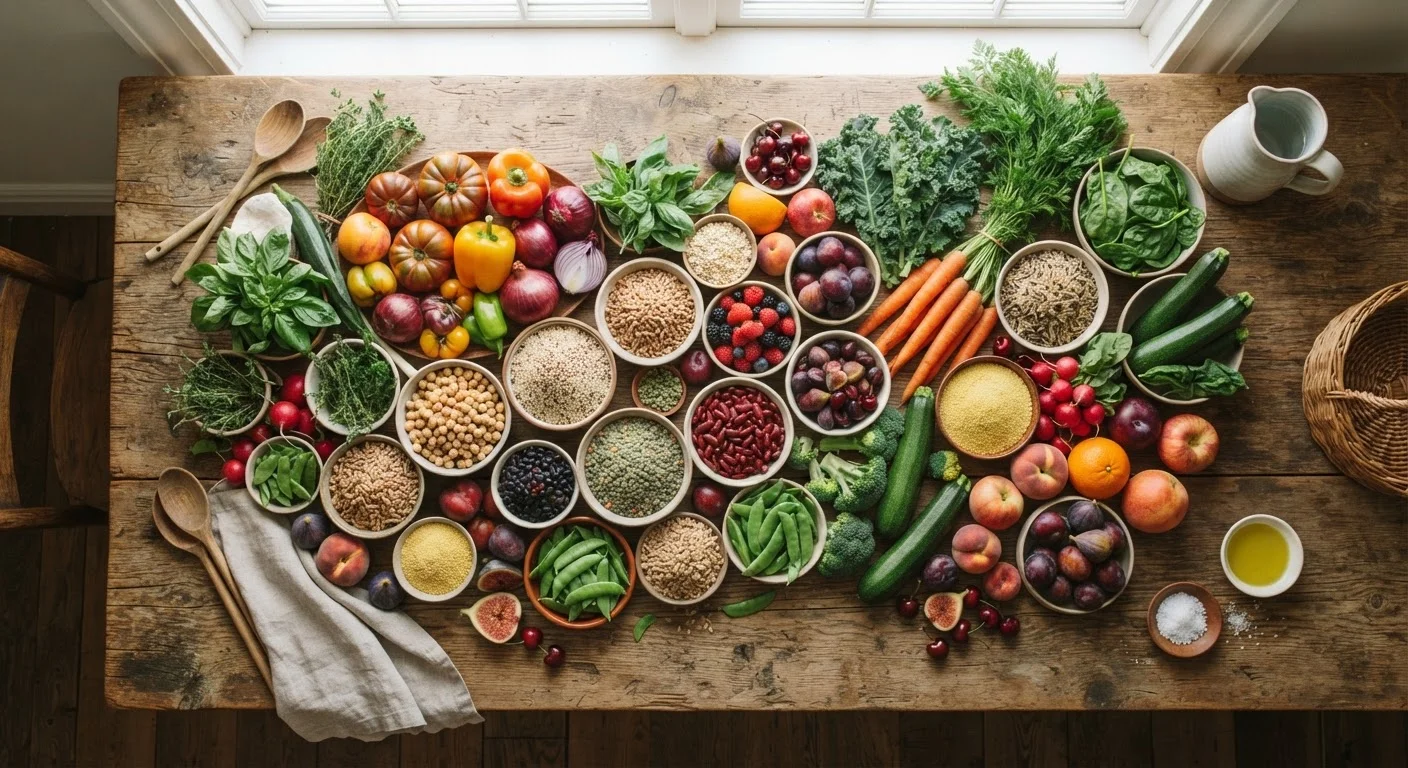
Photo: BridgeWish.com | Reliable Source Of Information editorial
Key Takeaways
- Plant-based eating is a spectrum — it doesn't require eliminating all animal foods overnight.
- Key nutrients like B12, iron, and omega-3s deserve extra attention when reducing animal products.
- Whole plant foods deliver fiber and micronutrients that ultra-processed 'plant-based' products often don't.
- Gradual shifts — like starting with a few meatless meals per week — are sustainable for most people.
- Individual nutritional needs vary; consulting a registered dietitian is valuable before major dietary changes.
What 'Plant-Based' Actually Means
The phrase plant-based eating gets used loosely, so it helps to pin down what it actually describes. At its core, a plant-based dietary pattern is one that places vegetables, fruits, whole grains, legumes, nuts, and seeds at the center of most meals. It is not a strict synonym for veganism, which excludes all animal products entirely.
Think of it as a spectrum. On one end sits a fully vegan diet; in the middle, approaches like flexitarianism (mostly plants, with occasional meat) or Mediterranean-style eating (abundant plants plus fish, poultry, and dairy in moderation). The unifying thread is the deliberate shift toward plant foods as the dietary foundation, rather than a supporting role. For a grounding in how these patterns fit into broader nutrition principles, the Healthy Eating Basics hub is a useful starting point.
Plant-based diet
A dietary pattern centered on foods that come from plants — vegetables, fruits, grains, legumes, nuts, and seeds — with animal foods reduced or minimized rather than necessarily eliminated.
Flexitarianism
A flexible approach to eating that is primarily plant-forward but includes meat or other animal products occasionally, without strict rules about frequency.
Essential amino acids
Nine protein building blocks the body cannot make on its own and must obtain from food. Getting all nine requires eating a varied diet, especially on plant-based patterns.
Non-heme iron
The form of iron found in plant foods and fortified products. It is absorbed less efficiently than the heme iron in animal foods, but absorption can be improved by consuming it alongside vitamin C.
Vitamin B12
A vitamin essential for nerve function and red blood cell production that occurs naturally only in animal-derived foods, making it a key nutrient to monitor when eating fewer animal products.
Bioavailability
How much of a nutrient the body can actually absorb and use from a given food. The same nutrient can have very different bioavailability depending on its food source and what it's eaten with.
Core Nutritional Concepts to Know First
Before changing what's on your plate, it pays to understand what your body actually needs from food. The Nutrition Basics hub covers foundational concepts in detail, but here are the essentials most relevant to plant-forward eating.
- Protein completeness: Animal proteins contain all nine essential amino acids in sufficient amounts. Most individual plant proteins do not — but eating a variety of plant sources across the day (beans, grains, tofu, nuts) reliably covers all essential amino acids. For a side-by-side breakdown, see our article on plant vs. animal protein trade-offs.
- Iron absorption: Plants contain non-heme iron, which the body absorbs less efficiently than the heme iron in meat. Pairing iron-rich plant foods (lentils, spinach, fortified cereals) with vitamin C sources improves uptake.
- Vitamin B12: Found almost exclusively in animal foods. Anyone significantly reducing animal products should discuss B12 status with a healthcare provider.
- Fiber: One of the clear nutritional advantages of whole-food plant eating. Most Americans consume well below recommended fiber intakes; plants close that gap meaningfully.
Common Pitfalls and How to Sidestep Them
Enthusiasm for plant-based eating can sometimes lead to a few predictable missteps worth knowing about in advance.
Not All 'Plant-Based' Labels Are Equal
- Replacing meat with ultra-processed substitutes: Many packaged plant-based burgers and nuggets are heavily processed and high in sodium. They can serve as an occasional bridge food, but shouldn't become the dietary default.
- Underestimating calorie density shifts: Whole plant foods are generally less calorie-dense than fatty animal products. Some people — particularly those with high energy needs — find they need to eat larger volumes or add calorie-dense foods like nuts, seeds, and avocado.
- Neglecting nutrient monitoring: Assuming the diet is automatically complete can lead to gradual shortfalls in B12, zinc, omega-3s, or vitamin D. Periodic check-ins with a registered dietitian help catch gaps early.
- All-or-nothing thinking: Feeling like any slip means failure often derails otherwise sustainable progress. A flexible, incremental approach tends to stick better than a rigid overnight overhaul.
Practical First Steps for Omnivores
Starting from a typical omnivore baseline, here's how to shift the balance practically without feeling overwhelmed.
The 'Add First' Approach Works Well
- Audit your current meals. Identify two or three dinners you already make that happen to be plant-forward — pasta with marinara, veggie stir-fry, bean tacos. These are your anchors.
- Add before you subtract. Rather than focusing on what to remove, focus first on adding: a handful of spinach to eggs, a scoop of chickpeas to a salad, an extra serving of roasted vegetables alongside dinner.
- Stock a plant-based pantry foundation. Dried or canned legumes, whole grains (brown rice, quinoa, farro), canned tomatoes, nuts, and seeds give you the building blocks for dozens of meals.
- Designate one or two meatless days per week. This simple structure builds familiarity with plant-forward cooking without requiring a wholesale identity shift.
- Learn five versatile plant-protein recipes. Mastering a lentil soup, a tofu stir-fry, a bean-based grain bowl, a chickpea curry, and an egg-and-vegetable frittata covers a lot of weekly ground.
What to Realistically Expect
Dietary shifts affect people differently, and honest expectations help sustain motivation when the initial novelty fades.
Digestive adjustment is common. A significant increase in fiber — especially from legumes — can cause temporary bloating or gas. Introducing high-fiber foods gradually and drinking adequate water helps the gut adapt over two to four weeks.
Flavor habits take time to recalibrate. Palates adjusted to heavily seasoned processed foods may initially find whole plant foods bland. Experimenting with herbs, spices, acids (lemon juice, vinegar), and umami-rich ingredients like mushrooms or miso accelerates this recalibration.
Results vary by individual. Some people report improved energy, digestion, or satiety after shifting toward more plants; others notice little change, or need to fine-tune protein and calorie intake. No dietary pattern produces identical outcomes for every person.
For a deeper look at how plant and animal protein sources compare nutritionally as you build your new approach, see our guide to plant-based proteins vs. animal proteins.
This article is for general informational and educational purposes only and is not a substitute for personalized medical or nutritional advice. Consult a qualified healthcare professional or registered dietitian before making significant changes to your diet, particularly if you have a health condition or specific nutritional concerns.
Frequently Asked Questions
The content on this site is for informational purposes only and is not a substitute for professional advice. Always consult a qualified professional for guidance specific to your situation.