
Sugar in Your Diet: Natural, Added, and Everything Between

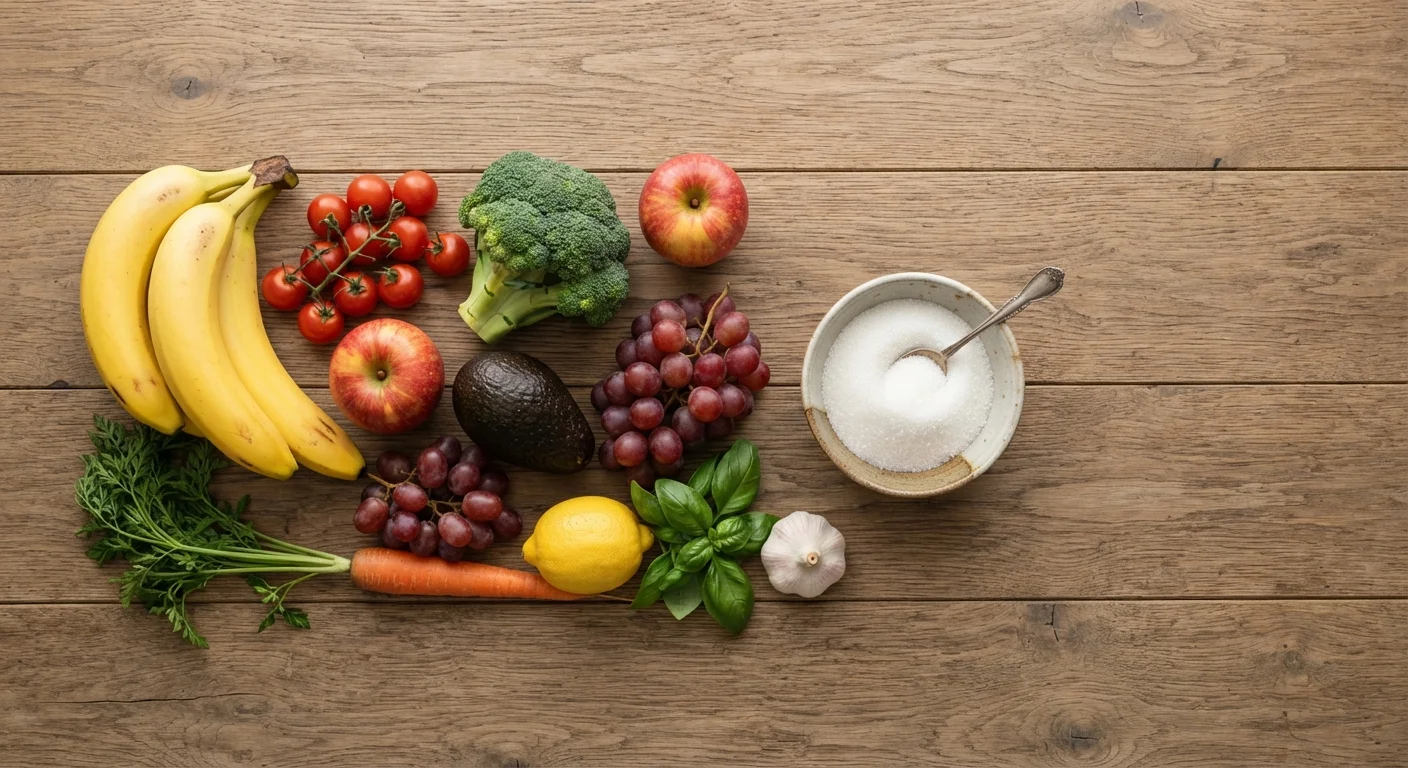
Photo: BridgeWish.com | Reliable Source Of Information editorial
Key Takeaways
- Natural sugars come packaged with fiber, vitamins, and minerals that slow absorption and support health.
- Added sugars provide calories with little to no nutritional value and are linked to health risks when consumed in excess.
- The Dietary Guidelines for Americans recommend limiting added sugars to less than 10% of daily calories.
- Nutrition labels now separately list added sugars, making it easier to monitor your intake.
- Whole foods like fruit are not a sugar concern for most healthy adults — context matters.
What Makes Natural and Added Sugars Different
Sugar appears in two fundamentally different forms in your diet, and that distinction carries real nutritional weight. Natural sugars are those found inherently in whole, unprocessed foods — lactose in milk, fructose in an apple, glucose in carrots. Added sugars are introduced during manufacturing or preparation: think the cane sugar stirred into a yogurt, the high-fructose corn syrup in a soft drink, or the honey drizzled into a salad dressing.
Molecularly, both categories can contain the same basic sugar compounds. The critical difference lies in the food matrix — what surrounds the sugar. Naturally occurring sugars come bundled with fiber, protein, water, vitamins, and minerals. That package slows digestion and absorption, moderating the effect on blood sugar and providing genuine nutritional value. Added sugars arrive largely stripped of that context, delivering energy with few accompanying nutrients. For a deeper look at how these distinctions play out on food packaging, see how sugar is listed on nutrition labels.
Natural Sugar Is Not the Same as "No Sugar"
What Current Dietary Guidance Says
The Dietary Guidelines for Americans — updated every five years by the U.S. Departments of Agriculture and Health and Human Services — recommend limiting added sugars to fewer than 10% of total daily caloric intake. For someone eating roughly 2,000 calories a day, that ceiling is approximately 50 grams of added sugar. The American Heart Association sets a more conservative target, particularly for cardiovascular health.
These limits apply specifically to added sugars, not to naturally occurring sugars in whole foods. Public health guidance consistently supports eating whole fruit, dairy, and vegetables without treating their natural sugar content as a problem. Excess added sugar intake, by contrast, has been associated in research with increased risk of obesity, type 2 diabetes, cardiovascular disease, and dental decay — though individual diet patterns and overall lifestyle context matter significantly.
17 tsp
Average daily added sugar consumed by U.S. adults
According to CDC analysis of National Health and Nutrition Examination Survey (NHANES) data, U.S. adults consume roughly 17 teaspoons of added sugar daily on average.
~47%
Share of added sugar from beverages in U.S. diet
Research published in nutrition surveillance data indicates that sugar-sweetened beverages account for close to half of all added sugar consumed by American adults.
<10%
Recommended daily calorie limit from added sugars
The Dietary Guidelines for Americans set the upper recommended limit for added sugar intake at less than 10% of total daily calories.
Spotting Added Sugars in Everyday Foods
Added sugars go by many names on ingredient lists, which can make them easy to overlook. Common aliases include sucrose, dextrose, maltose, corn syrup, agave nectar, cane juice, and fruit juice concentrate. As a rule of thumb: any ingredient ending in -ose is a form of sugar, and syrups of any kind are added sugars regardless of how they are marketed.
The FDA's updated Nutrition Facts label, now required on most packaged foods, helps considerably. It breaks out "Added Sugars" as its own line under total sugars, shown in grams and as a percentage of the daily recommended limit. This change makes it much easier to see how a single serving of flavored oatmeal, pasta sauce, or bottled juice might contribute to your daily added sugar total — sometimes unexpectedly. For a broader foundation in reading nutrition information, our guide to key nutrition terms covers the vocabulary you'll encounter most.
Use the Ingredient List Alongside the Label
Practical Perspective: Where to Focus Your Attention
Understanding sugar in your diet is not about eliminating sweetness — it is about knowing where your sugar is coming from. Whole fruit, for instance, is widely supported by nutrition science as a healthful food despite containing natural sugars. Swapping a processed snack for a piece of fruit changes not just the sugar source but the entire nutritional profile of that choice.
The category that warrants more attention for most Americans is added sugar in beverages and packaged snack foods. Sweetened drinks — sodas, energy drinks, flavored coffees — are among the largest contributors to added sugar intake in the U.S. diet without providing meaningful fullness or nutrients. Common snacking habits can quietly push daily added sugar well past recommended levels even when the rest of the diet looks reasonable.
If you have specific health concerns related to blood sugar, diabetes, or metabolic health, consult a registered dietitian or your healthcare provider for guidance tailored to your individual needs.
This article is for general informational purposes only and is not a substitute for professional medical or dietary advice.
Frequently Asked Questions
The content on this site is for informational purposes only and is not a substitute for professional advice. Always consult a qualified professional for guidance specific to your situation.