
Sugar on the Label: Natural, Added, and Everything In Between

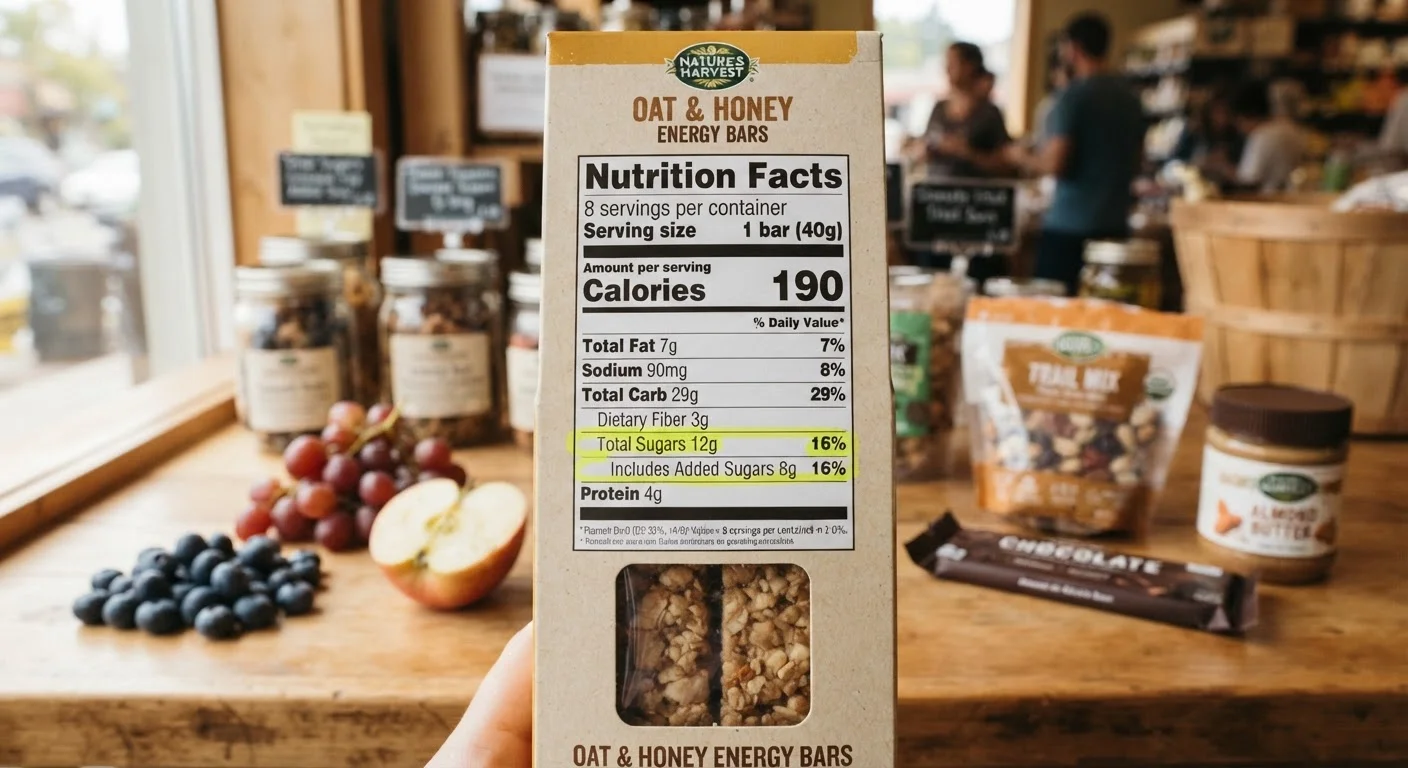
Photo: BridgeWish.com | Reliable Source Of Information editorial
Key Takeaways
- Natural sugars come packaged with fiber, vitamins, and minerals that affect how your body processes them.
- Added sugars are required to appear as a separate line on the Nutrition Facts label.
- The FDA's daily reference value for added sugars is 50 grams, based on a 2,000-calorie diet.
- Ingredient names like corn syrup, dextrose, and evaporated cane juice all count as added sugars.
- High added sugar intake is linked by research to increased risk of certain chronic health conditions.
- Whole foods with natural sugars rarely require you to worry about the added-sugar line.
Why the Label Draws a Line Between Two Types of Sugar
Sugar by any other name is still a carbohydrate, but where it comes from — and what comes with it — makes a meaningful difference to your health. Before 2020, U.S. nutrition labels only showed Total Sugars, which lumped together every gram regardless of origin. The updated FDA label rules added a required sub-line for Added Sugars, giving shoppers a clearer picture.
The distinction matters because naturally occurring sugars arrive inside a food matrix that typically includes fiber, water, vitamins, and minerals. A medium apple contains roughly 19 grams of total sugar, but that sugar is wrapped in pectin and cell walls that slow digestion and absorption. A tablespoon of high-fructose corn syrup in a flavored yogurt delivers a similar gram count with none of that buffering. For a deeper dive into how these two sugar types function differently in your diet, see our explainer on added vs. natural sugar.
17 tsp
Average daily added sugar intake for US adults
CDC National Health and Nutrition Examination Survey data estimates average US adult added sugar consumption at roughly 17 teaspoons per day — well above federal guidance.
50g
FDA daily reference value for added sugars
The FDA set 50 grams as the daily reference value used to calculate the % Daily Value for added sugars on current Nutrition Facts panels, based on a 2,000-calorie diet.
60+
Ingredient names that qualify as added sugar
The FDA recognizes more than 60 distinct ingredient names — including syrups, concentrated juices, and chemical sugar forms — that must be counted toward a product's Added Sugars declaration.
How to Read the Added Sugars Line Correctly
On the current Nutrition Facts panel, Added Sugars appears indented beneath Total Sugars, always preceded by the word Includes — as in, Includes 12g Added Sugars. It also carries a % Daily Value based on 50 grams per day, the FDA's reference amount for a 2,000-calorie diet.
A few practical reading tips:
- If Added Sugars is 0g, any sugar in the product comes entirely from its natural ingredients (dairy, fruit, vegetables).
- If Added Sugars equals Total Sugars, the product contains no naturally sugar-bearing ingredients — all the sweetness was introduced.
- Watch serving size first. A product listing 8g of added sugar per serving sounds modest until you notice the serving is two cookies and you typically eat six.
For a broader walkthrough of every row on the panel, our full nutrition label guide covers serving sizes, % Daily Values, and ingredient order in plain terms.
Use the % Daily Value as a Quick Screen
The Many Names for Added Sugars in Ingredient Lists
Ingredient lists don't use the term "added sugar" — they list the specific sweetener by name. The FDA recognizes more than 60 ingredient names that qualify as added sugars. Knowing the most common aliases helps you spot them in products where you might not expect them, including bread, pasta sauce, and salad dressing.
| Category | Common Names on Labels |
|---|---|
| Syrups | Corn syrup, high-fructose corn syrup, rice syrup, malt syrup, maple syrup |
| Cane-derived | Cane sugar, cane juice, evaporated cane juice, turbinado sugar, molasses |
| Chemical sugars | Dextrose, fructose, maltose, sucrose, lactose (when added) |
| Concentrated sources | Fruit juice concentrate, honey, agave nectar, date syrup |
When multiple sweeteners appear in an ingredient list, they may each rank lower individually — but their combined contribution can be substantial. This is a common formulation strategy in processed foods. Our food labeling terms guide explains other packaging language worth decoding alongside added sugars.
Fruit Juice Concentrate Is a Special Case
What Research Connects to High Added Sugar Intake
Dietary research consistently links high added sugar consumption — not natural sugar in whole foods — to elevated risk of certain health outcomes. Well-established associations include increased risk of type 2 diabetes, cardiovascular disease, tooth decay, and weight gain over time. These patterns emerge from population-level epidemiological studies and are reflected in guidance from organizations including the American Heart Association and the World Health Organization.
It's worth being precise about what the science does and doesn't say: added sugar is a risk factor studied in the context of overall dietary patterns, not a single cause-and-effect agent. A diet high in added sugar is often also low in fiber, micronutrients, and whole foods — so the harms are rarely attributable to sugar alone. Understanding how sugar fits into your overall diet can help you put these risk factors in broader context.
This article is for general informational purposes only and does not constitute medical or dietary advice. For guidance tailored to your individual health needs, consult a registered dietitian or qualified healthcare professional.
Frequently Asked Questions
The content on this site is for informational purposes only and is not a substitute for professional advice. Always consult a qualified professional for guidance specific to your situation.