
Why Portion Size Matters More Than Most People Realize

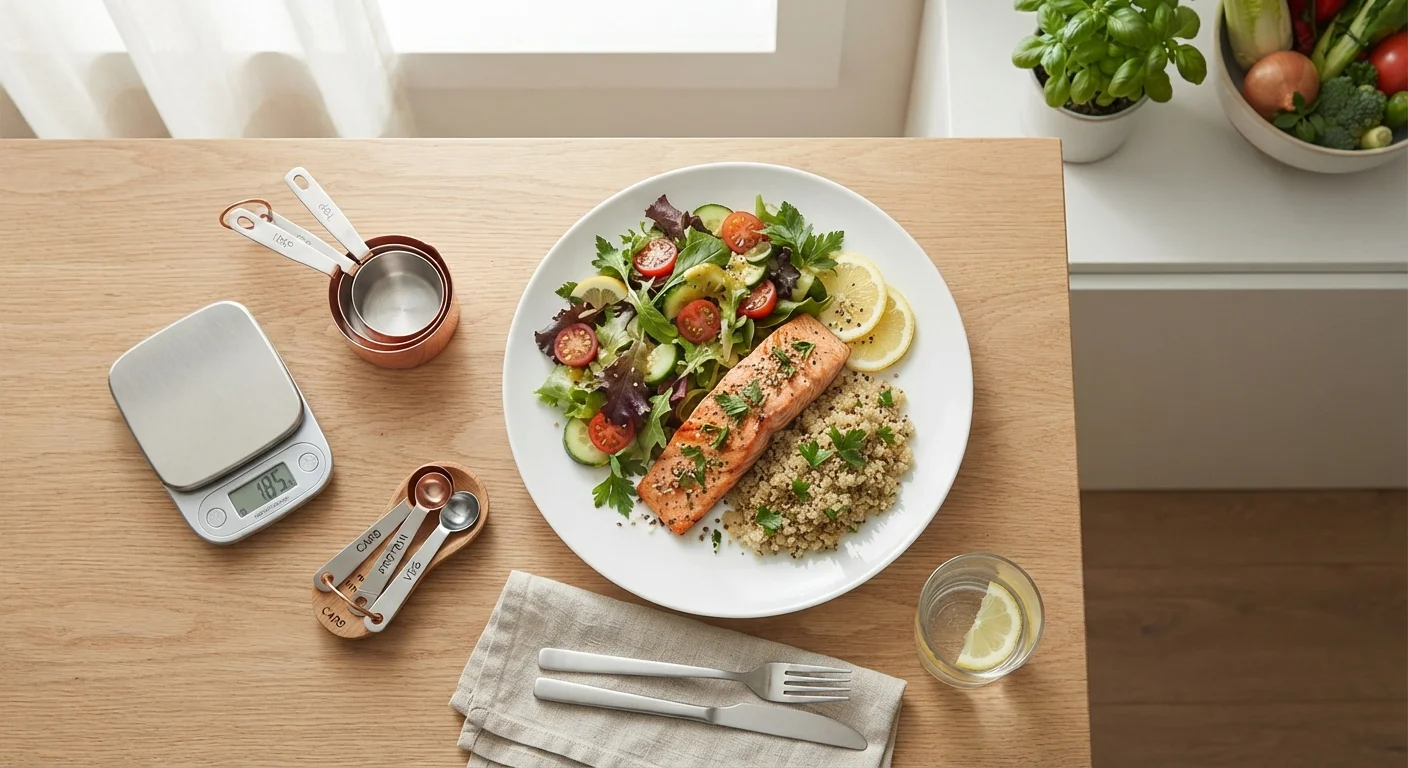
Photo: BridgeWish.com | Reliable Source Of Information editorial
Key Takeaways
- Portion sizes have grown significantly over decades, quietly reshaping what feels 'normal' to eat.
- Visual cues and container size reliably trick the brain into eating more than intended.
- Practical reference tools — like hand-based guides — make portion awareness achievable without obsessing.
- Nutrition label serving sizes often don't match how people actually consume a product.
- Small, consistent adjustments to portions tend to be more sustainable than dramatic dietary overhauls.
The Quiet Shift in What 'Normal' Looks Like
Portion sizes in the United States have expanded dramatically over the past several decades. Studies tracking restaurant and packaged food amounts over time show that what's served today is substantially larger than what was typical in earlier generations. The trouble is that this shift has happened gradually enough that most people have simply absorbed it as normal.
This phenomenon — sometimes called portion distortion — means that our internal sense of how much food constitutes a reasonable amount has been quietly recalibrated by the environment around us. We aren't eating more because of a lack of willpower; we're eating more because the cues we rely on have changed. Understanding that dynamic is the first step toward developing a more accurate sense of appropriate amounts.
Portion awareness isn't about restriction or obsession — it's about having an honest baseline. From there, you can make deliberate choices rather than passive ones. For a deeper look at how proportions work across different food groups, see what a balanced plate actually looks like.
2–5x
Growth in typical restaurant portion sizes since the 1950s
Research published in nutrition journals has documented that average restaurant meal sizes have grown substantially over the past several decades compared to mid-20th-century norms.
92%
Of food eaten when a full portion is served
Studies on plate-clearing behavior suggest that people consume the vast majority of whatever is placed in front of them, regardless of initial hunger level.
Common Portion Mistakes — and How to Correct Them
Most portion-related missteps aren't the result of bad intentions. They stem from unreliable environmental cues, misunderstood food labels, and ingrained habits that formed before anyone thought to question them. The five mistakes below are among the most common — and each has a straightforward correction.
Treating restaurant portions as a standard serving size.
Eating directly from the bag or container rather than portioning food out first.
Assuming the nutrition label serving size matches how you personally use the product.
Relying on visual guessing without any consistent reference point.
Applying portion awareness only to 'unhealthy' foods while ignoring calorie-dense healthy ones.
This Is Education, Not Medical Advice
Once you've identified your own habitual missteps, it's worth thinking about how portions fit into the broader structure of your meals. Building a balanced plate offers practical principles that work alongside portion awareness without requiring rigid rules.
Making Portion Awareness Practical and Sustainable
The goal isn't to measure every meal indefinitely — it's to build enough familiarity with appropriate amounts that reasonable portions become instinctive. A few weeks of actively using reference tools (hand guides, measuring cups, or a kitchen scale for foods where weight is meaningful) can recalibrate your visual sense in ways that persist long after you stop measuring.
Eating well on a budget also intersects with portions: buying in bulk only saves money if you're not consuming more simply because more is available. Thoughtful portioning can stretch nutritious foods further, which is one reason navigating nutrition on a budget and portion awareness often go hand in hand.
Explore more foundational guidance in our Healthy Eating Basics hub for additional context on balanced, sustainable eating habits.
This article is for general informational and educational purposes only and is not intended as medical or dietary advice. Consult a registered dietitian or qualified healthcare professional for guidance tailored to your individual health needs.
The content on this site is for informational purposes only and is not a substitute for professional advice. Always consult a qualified professional for guidance specific to your situation.