
Home Maintenance

Getting Your Home Ready Before Winter Arrives

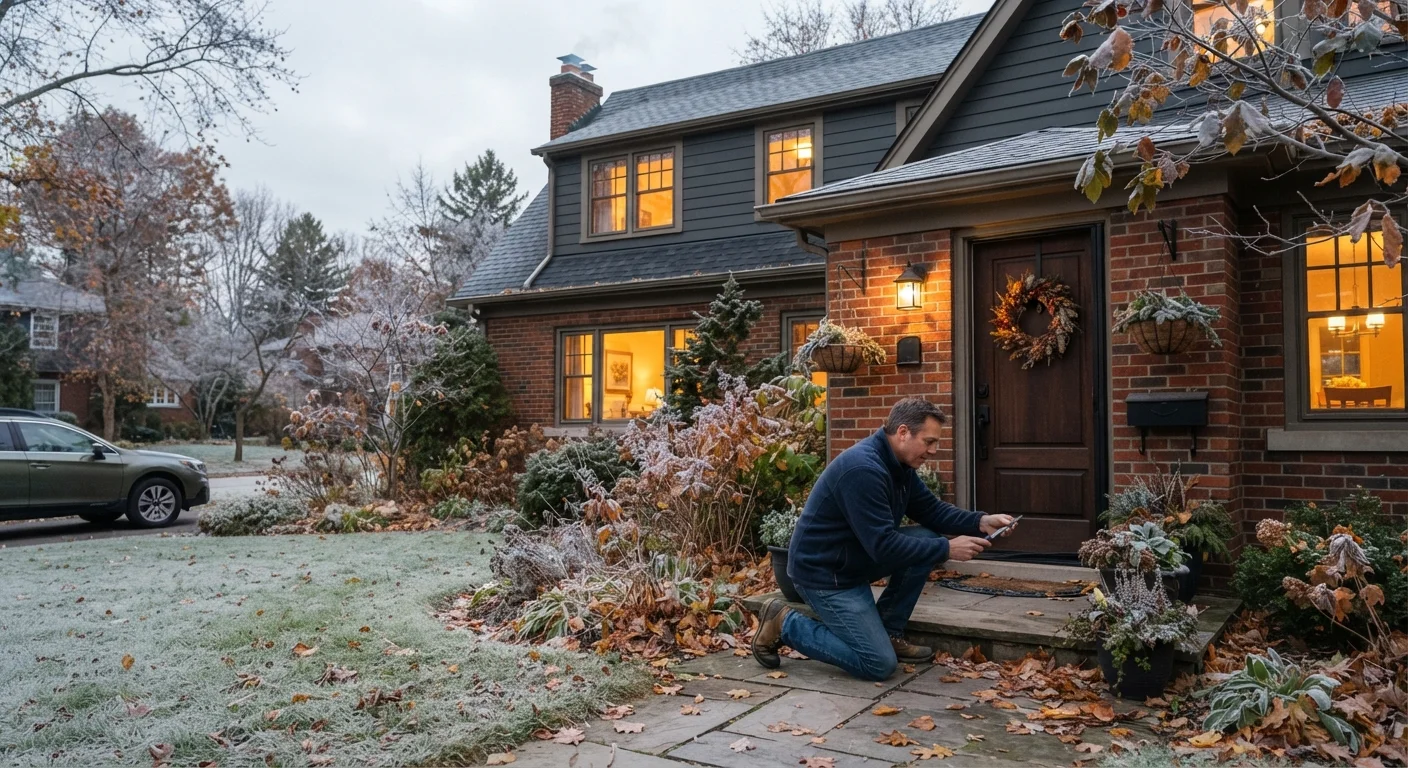
Getting Your Home Ready Before Winter Arrives

Photo: BridgeWish.com | Reliable Source Of Information editorial

Walk through the essential weatherproofing, heating, and plumbing checks that prevent cold-weather damage before temperatures drop.

Key Takeaways

  • Sealing air leaks around windows and doors is one of the highest-impact steps you can take before winter.
  • Heating system maintenance should be completed before you need consistent heat — not during the first cold snap.
  • Exposed pipes in unheated spaces are a leading cause of preventable water damage in winter.
  • Gutters clogged with leaves can create ice dams that damage your roof and interior walls.
  • Many winter prep tasks are DIY-friendly, but electrical, gas, and structural work requires a licensed professional.

Why Winter Prep Matters More Than Most Homeowners Expect

Cold weather doesn't announce itself with a grace period. A single hard freeze can burst an uninsulated pipe, and a heating system that hasn't been serviced may fail precisely when you need it most. The good news is that most winter-related home damage is preventable with a methodical pre-season walkthrough.

This checklist is designed to help you move room by room, system by system, so nothing gets overlooked. It pairs well with a broader routine — see your full annual maintenance cycle for context on how winter prep fits into year-round upkeep.

Work through the groups below in order: exterior first, then mechanical systems, then interior details. Flag items that need a licensed contractor before you begin, so you can schedule those professionals while the calendar still has room.

Required

Foam pipe insulation

Wraps exposed pipes in unheated spaces to reduce the risk of freezing.

Optional

Rope caulk

A removable, pliable sealant applied around drafty window frames to reduce air infiltration temporarily.

Required

HVAC air filter (correct size for your unit)

Replaces the existing filter to maintain airflow efficiency and indoor air quality.

Required

Weatherstripping material

Seals gaps around exterior door frames to prevent cold air infiltration and heat loss.

Required

Gutter scoop or garden trowel

Removes compacted debris from gutters safely before flushing with a hose.

Required

Caulking gun and exterior-grade caulk

Fills cracks and gaps around windows, doors, and utility penetrations on the outside of the home.

Required

Carbon monoxide detector

Provides early warning if heating appliances produce dangerous CO levels indoors.

The Winter Prep Checklist

Each group below targets a specific area of your home. Prioritized items are marked — must items are non-negotiable, should items are strongly recommended, and nice-to-have items add extra protection if time allows.

Exterior & Roof

Clean gutters and downspouts thoroughly, removing all leaves and debris to prevent ice dams from forming along the roofline. Must
Inspect your roof for missing, cracked, or curling shingles and have a qualified roofer address any issues before snow loads arrive. Must
Check exterior caulking around windows, doors, and utility penetrations, and replace any cracked or missing sections. Must
Trim tree branches that hang over the roof or close to power lines — heavy ice or snow can cause them to fall. Should
Inspect exterior paint and siding for cracks or peeling that could allow moisture intrusion during freeze-thaw cycles. Should
Store or cover outdoor furniture, grills, and garden equipment to protect them from weather and free up space. Nice to have

Heating System

Schedule a professional inspection and tune-up for your furnace, boiler, or heat pump before the heating season begins. Must
Replace your HVAC air filter — a clean filter improves both efficiency and air quality during the months when your home is sealed up. Must
Test your thermostat by running the heating system through a full cycle to confirm it responds and heats correctly. Must
Bleed radiators if you have a hot-water heating system to release trapped air that reduces heating efficiency. Should
Check that heating vents and baseboard units are unobstructed by furniture or rugs so warm air circulates freely. Should

Plumbing & Water

Locate your main water shut-off valve and confirm it operates correctly — knowing its location is critical if a pipe bursts. Must
Insulate exposed pipes in unheated areas such as crawl spaces, garages, and exterior walls using foam pipe insulation. Must
Disconnect and drain garden hoses, and shut off exterior hose bibs (spigots) using their interior shut-off valves. Must
If you have an irrigation system, schedule a professional blow-out to clear water from the lines before a hard freeze. Should
Check your water heater for signs of corrosion or sediment buildup, and flush the tank if it has not been done in over a year. Should

Doors, Windows & Insulation

Test weatherstripping on all exterior doors by closing them on a piece of paper — if it pulls out easily, the seal needs replacing. Must
Apply rope caulk or window insulation film to drafty windows as a low-cost temporary measure while you plan longer-term repairs. Should
Check attic insulation levels — inadequate attic insulation is a primary driver of heat loss and ice dam formation. Should
Install a door sweep on any exterior door that shows a visible gap at the bottom threshold. Nice to have
Test carbon monoxide detectors and smoke alarms, replacing batteries as needed before you begin running heating appliances regularly. Must

Don't Attempt Gas or Electrical Work Yourself

Any maintenance involving your gas furnace, gas lines, or the electrical panel should be handled by a licensed professional. These systems carry serious safety risks — including fire and carbon monoxide poisoning — when worked on incorrectly. Most jurisdictions require permitted work and inspections for these areas. If you suspect a gas leak, leave the home immediately and contact your utility provider.

When you finish the exterior and mechanical work, shift focus to windows and doors — a major source of heat loss. Our guide to window maintenance through the seasons explains exactly what to look for, including condensation between panes and failing weatherstripping.

For a deeper dive into what autumn-specific prep looks like beyond this checklist, the fall home prep guide walks through inspection priorities in more detail.

Pipe Bursts Are the #1 Preventable Winter Damage Claim

Water damage from frozen and burst pipes is among the most common and costly cold-weather insurance claims. Even a small crack in a pipe can release hundreds of gallons of water. Insulating exposed pipes and maintaining indoor temperatures above 55°F — even when away — are the two most effective defenses. If you're leaving home for an extended period, consider having someone check the property regularly.

What Comes After Winter

Once spring arrives, a follow-up inspection is essential to catch any damage winter left behind. Ice, freeze-thaw cycles, and moisture can stress siding, caulk, roofing, and paint in ways that aren't visible until warmer weather. Our article on spring maintenance checks most homeowners overlook covers exactly what to look for after the cold season ends.

If your exterior paint took a beating this winter, understanding how paint functions as a moisture barrier — not just a cosmetic layer — is worth your time. See exterior paint as protection for guidance on timing and surface prep.

This article is for general informational purposes only. Tasks involving gas lines, electrical systems, or structural components should be performed by a licensed professional. Always verify local permit and code requirements before beginning any regulated work.

Home Editorial Team

BridgeWish.com | Reliable Source Of Information

Home Editorial Team is the collective byline for our editorial team and contributor network. Articles published under this byline or an editorial pen name are researched, written, and reviewed according to our editorial standards for clarity, consistency, and independence before publication.

Renting a HomeBuying a HomeHome Maintenance
View author profile

The content on this site is for informational purposes only and is not a substitute for professional advice. Always consult a qualified professional for guidance specific to your situation.