
What Deferred Maintenance Actually Costs Homeowners Over Time

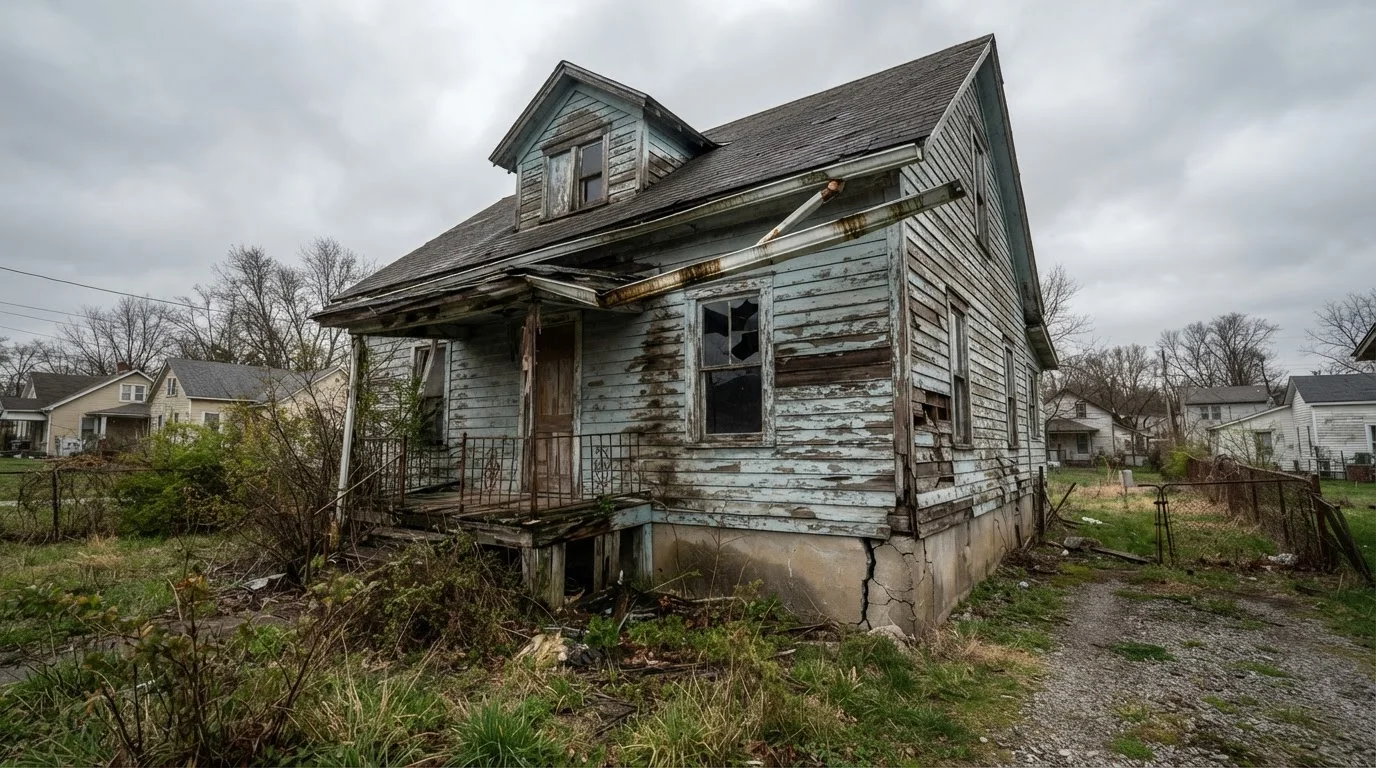
Photo: BridgeWish.com | Reliable Source Of Information editorial
Key Takeaways
- Deferred maintenance compounds — a $200 gutter repair ignored for two years can become a $4,000 foundation problem.
- Most home systems have predictable lifespans; staying ahead of them reduces emergency repair costs.
- Neglected upkeep can lower resale value and complicate home sale inspections.
- A modest annual maintenance budget prevents the financial shock of large, unplanned repairs.
- Some maintenance tasks, if skipped, can void manufacturer warranties or homeowner insurance claims.
Why Small Repairs Don't Stay Small
The core problem with deferred maintenance isn't any single skipped task — it's the compounding effect that follows. Home systems are interdependent. A minor roof flashing gap allows water into wall cavities. Over one or two seasons, that moisture promotes mold growth, rots structural framing, and eventually damages interior finishes. What began as a $300 flashing repair can realistically escalate to a project costing several thousand dollars once mold remediation and drywall replacement are factored in.
This pattern repeats across nearly every home system. Gutters clogged with debris redirect water against foundation walls. An HVAC filter left unchanged for too long forces the blower motor to work harder, shortening its lifespan. A small crack in exterior caulking around a window frame admits moisture that degrades the rough framing underneath. The common thread: water and mechanical stress are relentless, and delayed intervention always costs more than timely prevention.
Maintenance Delays Can Affect Insurance Claims
The Real Numbers Behind Neglect
It helps to anchor the concept in concrete dollar ranges, keeping in mind that repair costs vary significantly by region, labor market, and home specifics. These figures are general illustrations, not guarantees.
1–4x
Cost multiplier when repairs are deferred
Industry contractors and home inspection professionals commonly observe that delayed repairs cost one to four times more than addressing issues at the time of discovery, depending on how far damage spreads.
1–2%
Of home value recommended for annual maintenance
This is a widely cited rule of thumb among housing and personal finance educators; actual costs vary based on home age, size, and regional labor rates.
$15,000+
Average cost of major water damage remediation
Water damage restoration costs vary widely, but projects involving mold remediation, structural drying, and material replacement routinely reach or exceed this range according to restoration industry data.
Beyond direct repair costs, deferred maintenance carries secondary financial consequences. If you plan to sell, a buyer's inspection will surface neglected items — and in a balanced market, buyers routinely negotiate repair credits or price reductions that often exceed what the original maintenance would have cost. For a deeper look at how small neglected tasks compound into structural failures, see The Hidden Costs of Skipping Routine Home Maintenance.
Which Systems Carry the Highest Risk When Ignored
Not all deferred maintenance carries equal risk. Understanding which systems cause cascading damage when neglected helps homeowners prioritize limited time and budget.
- Roof and gutters: Water is the primary driver of structural deterioration. Roof issues and blocked gutters are the most common entry points for moisture damage.
- HVAC systems: Skipped filter changes and missed annual tune-ups reduce efficiency and shorten equipment life. A system running on a clogged filter uses more energy and fails sooner.
- Plumbing: Slow leaks under sinks or around toilet bases silently rot subfloor material. Left long enough, they require subfloor replacement alongside the plumbing fix.
- Foundation drainage: Grading, downspout extensions, and window well drains all direct water away from the foundation. When these fail, hydrostatic pressure can crack foundation walls.
- Exterior sealing: Caulking around windows, doors, and penetrations degrades over several years. Reapplying it on schedule is inexpensive; replacing water-damaged framing is not.
For seasonal guidance on catching these issues before they escalate, spring maintenance checks most homeowners overlook covers inspections that are easy to miss but important to complete.
Building a Maintenance Habit That Sticks
The most effective defense against deferred maintenance isn't an ambitious renovation budget — it's a consistent, modest routine. Homeowners who schedule annual or semi-annual walkthroughs of key systems catch problems while they're still inexpensive to address.
Schedule Maintenance Like a Bill
A practical approach: keep a simple home maintenance log that records when systems were last serviced, inspected, or repaired. This creates a paper trail useful for insurance purposes and resale documentation, and it makes it easier to spot when something is overdue.
For homeowners managing a tight household budget, incorporating maintenance costs as a fixed monthly line item — rather than treating repairs as surprise expenses — makes the financial reality more manageable. Budgeting basics for households can provide a useful framework for building that kind of planned reserve.
It's also worth recognizing when repeated patching stops making financial sense. If the same aging system keeps requiring fixes, knowing when to stop patching and replace can help you decide when replacement is the more cost-effective path.
This article is for general informational purposes only and does not constitute financial, legal, or professional contracting advice. Repair costs vary widely by region, home condition, and contractor. Consult qualified professionals for assessments specific to your home.
Frequently Asked Questions
The content on this site is for informational purposes only and is not a substitute for professional advice. Always consult a qualified professional for guidance specific to your situation.