
When Homeowners Patch Instead of Replace — and Why It Backfires

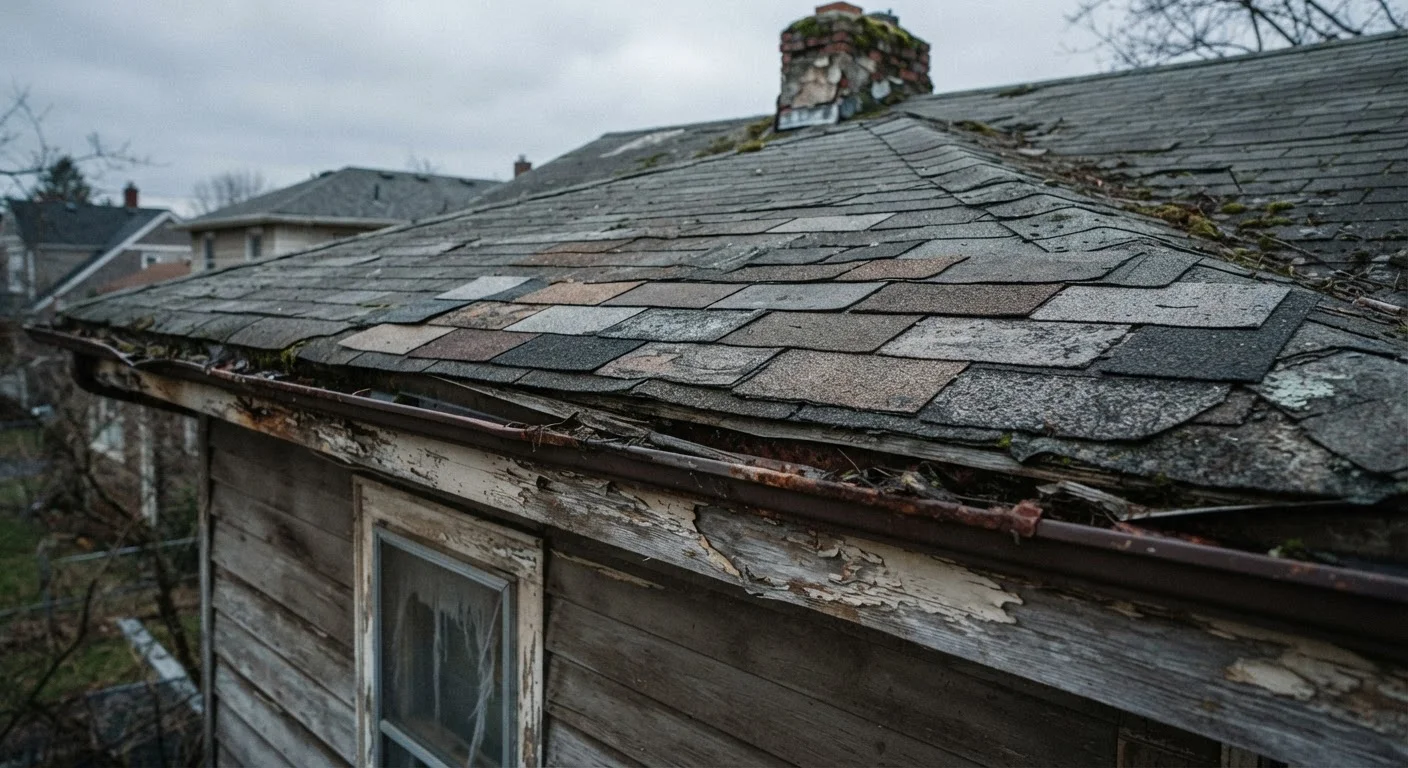
Photo: BridgeWish.com | Reliable Source Of Information editorial
Key Takeaways
- Repeated repairs on aging systems can exceed the cost of a single timely replacement.
- Most major home systems have predictable lifespans that should guide replacement decisions.
- Deferred replacement often creates secondary damage that multiplies total repair costs.
- A professional inspection can help determine whether repair or replacement is the smarter path.
Why Homeowners Keep Repairing Instead of Replacing
The impulse to patch rather than replace is understandable. A targeted repair costs less upfront, takes less time to schedule, and avoids the disruption of a full system overhaul. For many minor issues, that logic holds. But for aging systems, repeated patchwork often becomes a treadmill — each fix buys a little time, then another failure demands more money.
The core problem is that most home systems deteriorate systemically, not in isolated spots. A roof, HVAC unit, or plumbing line that is near the end of its service life is failing across the whole system, even if only one part fails visibly at a time. Fixing one symptom does not reset the clock on the rest.
For a broader look at how these patterns compound, see what deferred maintenance actually costs homeowners over time.
1%–4%
Annual home value recommended for maintenance spending
Many housing professionals suggest budgeting between 1% and 4% of a home's value annually for upkeep, with older homes trending toward the higher end.
15–20 years
Typical lifespan of a central HVAC system
The U.S. Department of Energy notes that most central air conditioning systems last 15 to 20 years, after which efficiency and reliability decline significantly.
The Mistakes That Cost the Most
Certain repair habits appear across homes of every age and type. Recognizing them early gives homeowners a meaningful opportunity to redirect spending before secondary damage takes hold.
Repeatedly sealing a leaking roof instead of evaluating its overall condition.
Replacing individual HVAC components on a system that is past its service life.
Patching water-supply pipes without addressing corrosion or pressure issues throughout the line.
Adding outlet adapters or extension cords as a permanent solution to insufficient electrical capacity.
Caulking over deteriorated window frames or sills instead of replacing failed units.
Patching Can Mask Structural Risk
Understanding which repairs are genuinely safe to DIY — and which require a licensed trade — is also part of this decision. Our guide on when to call a licensed professional offers a clear framework for making that call.
How to Decide: Repair or Replace?
There is no universal threshold, but a few practical questions can sharpen the decision:
- How old is the system? Compare its current age against the manufacturer's expected lifespan or industry standards for that system type.
- How often has it needed repairs? A system that has required fixes two or more times in a single season is signaling broader failure.
- What would secondary damage cost? A continued leak, electrical fault, or HVAC failure can damage insulation, drywall, flooring, and structural components. Factor that risk into any repair-versus-replace comparison.
- Has a professional assessed the whole system? A licensed contractor's evaluation — not just an estimate for the visible repair — is the most reliable input for this decision.
Secondary Damage Accumulates Silently
Many of the assumptions that push homeowners toward repeated repairs are also driven by maintenance myths worth examining. The article home maintenance myths that cost homeowners money covers several of the most costly misconceptions directly.
This article is for general informational purposes only. Home system lifespans, repair costs, and replacement timelines vary by region, climate, installation quality, and usage. Always consult a licensed contractor or relevant trade professional before making repair or replacement decisions for major home systems.
The content on this site is for informational purposes only and is not a substitute for professional advice. Always consult a qualified professional for guidance specific to your situation.