
DIY Repairs vs. Calling a Licensed Professional: Where the Line Really Is

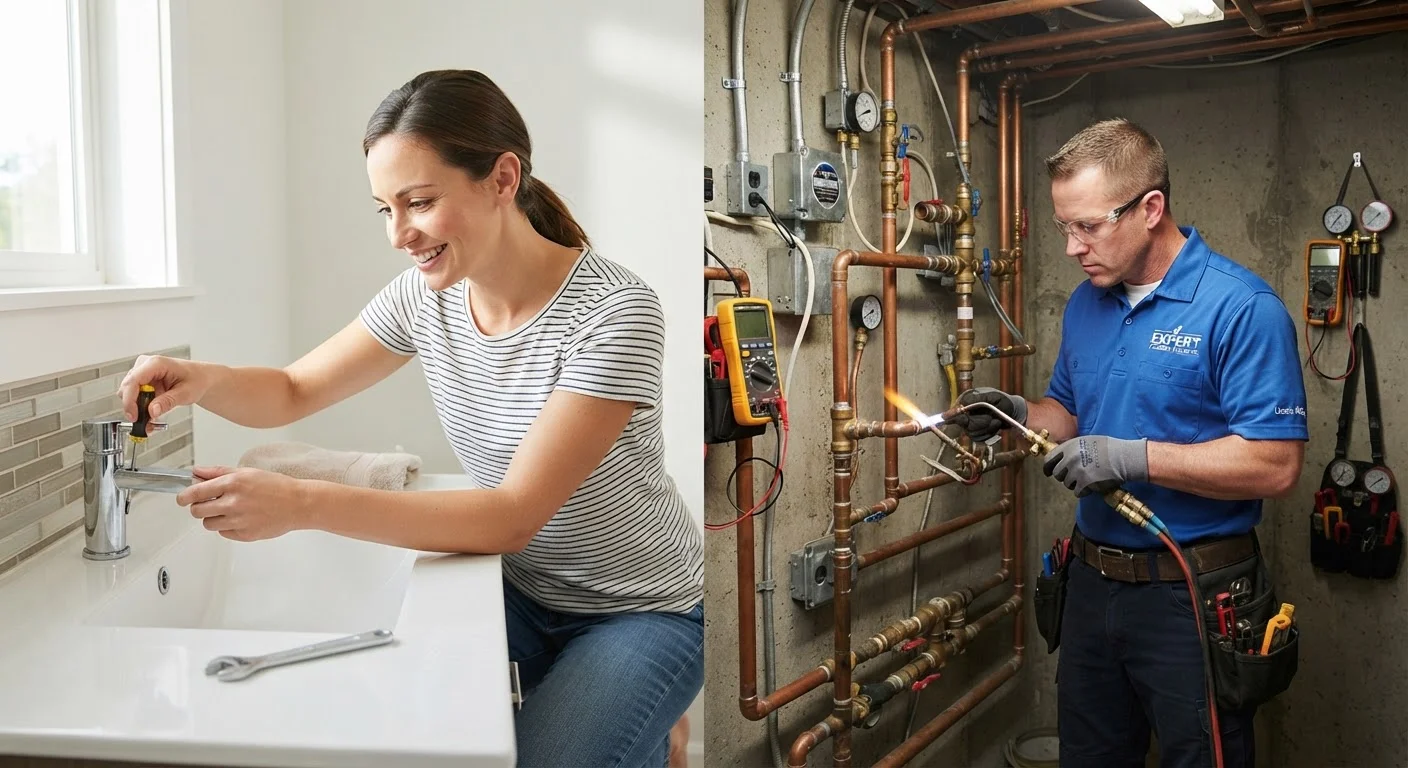
Photo: BridgeWish.com | Reliable Source Of Information editorial
Key Takeaways
- DIY is generally safe for cosmetic and simple maintenance tasks that don't touch utilities or structure.
- Electrical, gas, structural, and plumbing-into-mains work typically requires a licensed trade and often a permit.
- Unpermitted work can void homeowner's insurance and create costly problems at resale.
- Complexity, safety risk, and local code requirements are the three key factors for deciding.
- Even capable DIYers should consult a professional when in doubt — mistakes in regulated work can be expensive and dangerous.
How to Think About the DIY vs. Professional Decision
The instinct to fix things yourself is reasonable — many home repairs are genuinely manageable for careful, informed homeowners. But the line between a safe DIY project and one that requires a licensed trade isn't always obvious. Three questions help clarify it: Does the task involve a regulated system? Is a permit required? What's the realistic consequence of getting it wrong?
Regulated systems include electrical wiring, gas supply lines, structural framing, and connections to municipal plumbing supply or drain lines. In most US jurisdictions, work on these systems requires both a licensed contractor and an inspection. This isn't bureaucratic friction — it's a safety mechanism that protects occupants and future owners alike.
See our clear framework for deciding on common home repairs for a broader decision guide across repair types.
| Criterion | DIY Repairs | Licensed Professional |
|---|---|---|
| Typical tasks | Painting, caulking, fixture swaps, gutter cleaning | Electrical panels, gas lines, structural work, new plumbing runs |
| Permit usually required | Rarely | Frequently |
| Insurance implications | Low risk if task is minor and cosmetic | Permitted work protects insurance coverage |
| Tools needed | Basic household tools | Specialized trade equipment |
| Safety risk if done incorrectly | Generally low for cosmetic tasks | High — fire, gas leak, structural failure possible |
| Resale impact | Neutral for minor maintenance | Documented permitted work adds confidence for buyers |
What Homeowners Can Typically Handle Safely
A wide range of maintenance tasks fall comfortably within the DIY category — provided you use appropriate tools, follow manufacturer instructions, and don't cut corners on safety basics.
- Interior painting and patching: Filling nail holes, patching small drywall damage, and repainting rooms carry minimal risk and require only standard tools.
- Fixture replacement: Swapping a faucet, showerhead, toilet fill valve, or light fixture (after turning off the circuit breaker) is within reach for careful homeowners. These tasks generally don't require permits when you're replacing like-for-like.
- Caulking and weatherstripping: Sealing gaps around windows, doors, and tubs is straightforward preventive maintenance.
- Unclogging drains: Clearing a slow or blocked drain with a plunger or hand auger is a reasonable first step before calling a plumber.
- Minor landscaping and gutter cleaning: Seasonal tasks that maintain the home's exterior and drainage.
Our guide on maintaining a home independently offers a realistic look at what self-reliant upkeep actually demands over time.
~51%
US homeowners who attempted a DIY repair in the past year
Multiple homeowner surveys consistently show roughly half of US homeowners undertake at least one DIY home repair annually.
Top cause
Electrical faults as a leading cause of US home fires
The US Fire Administration identifies electrical malfunctions as one of the leading causes of residential fires, underscoring why licensed electrical work matters.
Where DIY Ends: Work That Requires a Licensed Trade
Certain repairs are off-limits for unlicensed homeowners — not as a matter of skill alone, but because local codes, insurance requirements, and safety standards make professional involvement mandatory or strongly advisable.
Electrical Work Beyond Fixtures
Replacing a light switch or outlet cover plate is generally low-stakes. But running new circuits, upgrading a panel, adding outlets, or any work inside the breaker box requires a licensed electrician in virtually every US jurisdiction. Wiring errors cause house fires and electrocution — and unpermitted electrical work can void your homeowner's insurance policy.
Gas Lines and Appliances
Any work on gas supply lines, connectors, or gas-fired appliances should be handled by a licensed plumber or gas fitter. Gas leaks are not recoverable from a DIY error.
Structural and Load-Bearing Work
Removing or modifying walls, beams, or joists requires an assessment of whether the element is load-bearing. Getting this wrong can compromise the structural integrity of the home. A licensed contractor and often a structural engineer should be involved.
Plumbing Into the Mains
Replacing a faucet or toilet seat is one thing. Connecting new supply lines, rerouting drain pipes, or adding plumbing fixtures to a new location requires a licensed plumber and typically a permit. See our plumbing basics guide for a plain-language explanation of what homeowners can and can't safely manage.
Check Local Requirements Before Starting
The Hidden Cost of Skipping the Professional
The financial logic of DIY is real — labor is often the largest cost in a professional repair job. But unpermitted work on regulated systems creates risks that can exceed the original savings many times over.
Home inspectors routinely flag DIY electrical and plumbing work during real estate transactions. Buyers can request remediation as a condition of sale, which typically means hiring a licensed contractor to redo the work and obtain retroactive permits — an expensive and stressful process. Homeowner's insurance policies generally exclude damage caused by unpermitted or code-violating work, meaning a claim could be denied if an investigator links a fire or water event to unlicensed repairs.
The practical rule: when a task requires a permit in your jurisdiction, that's the signal a professional is required. When you're unsure whether a permit is needed, your local building department can answer that question — most allow you to call or check online before starting work.
This article is for general informational purposes only. Home repair requirements vary by jurisdiction. Always verify local code and permit requirements with your local building authority before beginning any repair or renovation work.
The content on this site is for informational purposes only and is not a substitute for professional advice. Always consult a qualified professional for guidance specific to your situation.