
Maintaining a Home on Your Own: Realistic Trade-offs to Consider

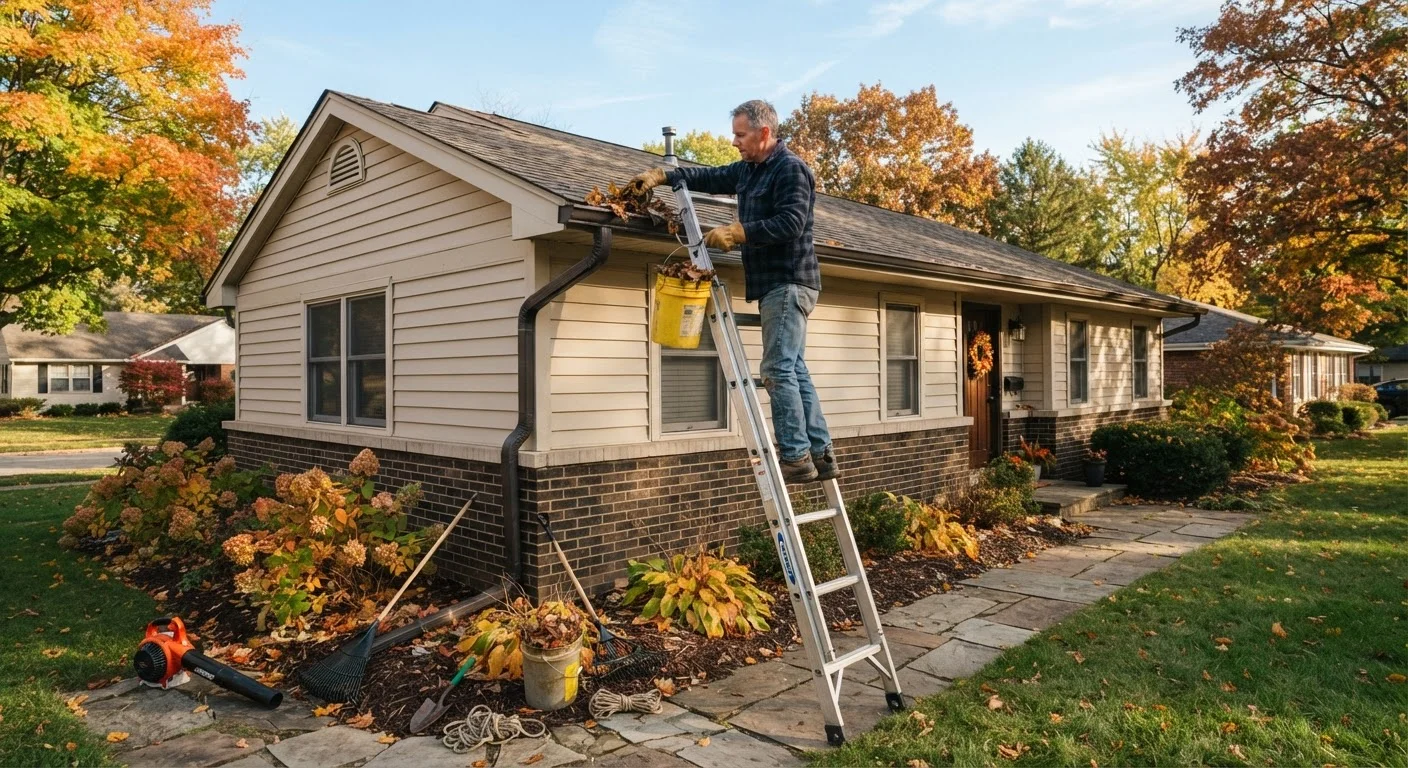
Photo: BridgeWish.com | Reliable Source Of Information editorial
Key Takeaways
- DIY home maintenance can reduce labor costs, but requires time, skill, and the right tools.
- Some repairs — electrical, structural, gas — carry safety and code risks that make professional help necessary.
- Knowing your limits is as important as knowing how to fix something.
- A realistic maintenance schedule prevents small tasks from becoming expensive emergencies.
- Homeowners should budget for both DIY supplies and occasional professional services.
Direct cost savings on routine labor
Many straightforward tasks — caulking, filter replacement, minor patching — carry significant labor markups when hired out. Doing them yourself eliminates that surcharge on work that doesn't require specialized skill.
Deeper familiarity with your home's systems
Regularly inspecting and servicing your own plumbing, HVAC, and exterior helps you detect early warning signs that an infrequent contractor visit might miss.
Scheduling on your own timeline
You're not waiting on contractor availability for tasks within your capability — seasonal jobs can be done when conditions are right, not when a slot opens up.
Skill development that compounds over time
Each repair you complete successfully increases your competency for future tasks, expanding the range of work you can handle safely and confidently.
Greater control over materials and workmanship
You choose the products and methods applied to your home, rather than accepting whatever a contractor sources at their margin.
Significant time commitment, especially initially
Maintenance tasks that take a professional an hour can take a less experienced homeowner an entire afternoon, including the time spent researching, sourcing materials, and troubleshooting.
Skill gaps can make problems worse
An improperly completed repair — such as a misaligned drain trap or an incorrect drywall patch over moisture — can increase the eventual repair cost beyond what a professional would have charged originally.
Some work legally requires licensed professionals
Electrical panel work, gas appliance installation, structural modifications, and certain plumbing connections typically require permits and licensed trades. Unpermitted work can create liability and complicate future home sales.
Tool investment adds upfront cost
Quality tools for even basic maintenance — a reliable ladder, caulk gun, drain snake, voltage tester — represent a real upfront cost that partially offsets savings, particularly in the early years.
Safety risks in certain task categories
Roof work, working near the electrical panel, and tasks involving gas lines carry injury risks that are not proportionate to the savings for most homeowners.
Risk of deferred maintenance disguised as DIY
Without professional oversight, it's easy to rationalize skipping inspections or delaying tasks — creating the same neglect dynamic that independent maintenance is meant to prevent.
What 'Maintaining a Home on Your Own' Actually Means
Independent home maintenance means taking personal responsibility for inspecting, repairing, and preventing problems across your property — rather than outsourcing every task to a contractor or relying on a landlord. It spans a wide range: changing HVAC filters, caulking windows, cleaning gutters, touching up exterior paint, testing smoke detectors, and responding to minor plumbing issues like a dripping faucet.
It does not mean doing everything yourself regardless of complexity. Most building codes and safety standards require licensed professionals for electrical panel work, gas line repairs, structural modifications, and similar high-stakes jobs. Understanding where that line sits is foundational — see our guide on where the DIY line really is for a detailed breakdown.
The realistic version of self-reliant maintenance is a hybrid: you handle what you're capable of doing safely, and you know when to call in a licensed trade.
The Genuine Advantages
There are solid, well-documented reasons homeowners choose to handle maintenance themselves — and they go beyond simply saving money.
Direct cost savings on routine labor
Many straightforward tasks — caulking, filter replacement, minor patching — carry significant labor markups when hired out. Doing them yourself eliminates that surcharge on work that doesn't require specialized skill.
Deeper familiarity with your home's systems
Regularly inspecting and servicing your own plumbing, HVAC, and exterior helps you detect early warning signs that an infrequent contractor visit might miss.
Scheduling on your own timeline
You're not waiting on contractor availability for tasks within your capability — seasonal jobs can be done when conditions are right, not when a slot opens up.
Skill development that compounds over time
Each repair you complete successfully increases your competency for future tasks, expanding the range of work you can handle safely and confidently.
Greater control over materials and workmanship
You choose the products and methods applied to your home, rather than accepting whatever a contractor sources at their margin.
1–2%
Annual home value suggested for maintenance
A widely cited rule of thumb among housing and financial planning resources suggests budgeting 1–2% of a home's purchase price each year for upkeep.
~35%
US homeowners who report doing most maintenance themselves
Various homeowner surveys indicate a significant share of US homeowners handle the majority of routine upkeep tasks without professional help.
Beyond cost, there's a practical upside to knowing your home intimately. Homeowners who regularly inspect their own property tend to catch early warning signs — a hairline crack in caulking, a slow drain, unusual HVAC cycling — before they compound into larger failures. Our article on the hidden costs of deferred maintenance illustrates how small oversights can escalate quickly.
There's also scheduling flexibility. You're not waiting on a contractor's availability for a straightforward task like replacing weatherstripping or bleeding a radiator.
The Real Limitations and Risks
Self-reliance in home maintenance has a ceiling — and misjudging it can be costly or dangerous.
Significant time commitment, especially initially
Maintenance tasks that take a professional an hour can take a less experienced homeowner an entire afternoon, including the time spent researching, sourcing materials, and troubleshooting.
Skill gaps can make problems worse
An improperly completed repair — such as a misaligned drain trap or an incorrect drywall patch over moisture — can increase the eventual repair cost beyond what a professional would have charged originally.
Some work legally requires licensed professionals
Electrical panel work, gas appliance installation, structural modifications, and certain plumbing connections typically require permits and licensed trades. Unpermitted work can create liability and complicate future home sales.
Tool investment adds upfront cost
Quality tools for even basic maintenance — a reliable ladder, caulk gun, drain snake, voltage tester — represent a real upfront cost that partially offsets savings, particularly in the early years.
Safety risks in certain task categories
Roof work, working near the electrical panel, and tasks involving gas lines carry injury risks that are not proportionate to the savings for most homeowners.
Risk of deferred maintenance disguised as DIY
Without professional oversight, it's easy to rationalize skipping inspections or delaying tasks — creating the same neglect dynamic that independent maintenance is meant to prevent.
Skill gaps are the most common pitfall. A repair attempted beyond your competency level can turn a minor issue into a major one. Overtightening a pipe fitting, incorrectly patching drywall over a moisture problem, or misdiagnosing an electrical issue can all increase repair costs and, in some cases, create safety hazards.
It's also worth reading about common maintenance myths — some widely held DIY beliefs, like the idea that bleach permanently resolves mold, can lead to incomplete fixes that resurface later.
Permits and Codes Still Apply to DIY Work
Building a Realistic Maintenance Approach
The homeowners who manage upkeep most effectively tend to work from a structured seasonal checklist rather than a reactive, problem-by-problem approach. Spring and fall are natural checkpoints for exterior inspection, HVAC servicing, and gutter cleaning. Winter prep — insulating exposed pipes, checking attic insulation, testing heating systems — is time-sensitive in colder climates.
When a task falls outside your skill set, use the DIY vs. hiring a pro framework to make the call deliberately rather than defaulting to either extreme. If you own an older property, the considerations shift — see our piece on maintaining an aging home for age-specific guidance.
Finally, budget for both sides of the equation. Financial planners commonly suggest setting aside 1–2% of a home's value annually for maintenance. Some of that will fund your own supplies; some should be reserved for licensed work. Understanding this split is part of sound household budgeting.
The content on this site is for informational purposes only and is not a substitute for professional advice. Always consult a qualified professional for guidance specific to your situation.