
Owning an Older Home: A Maintenance Approach That Accounts for Age

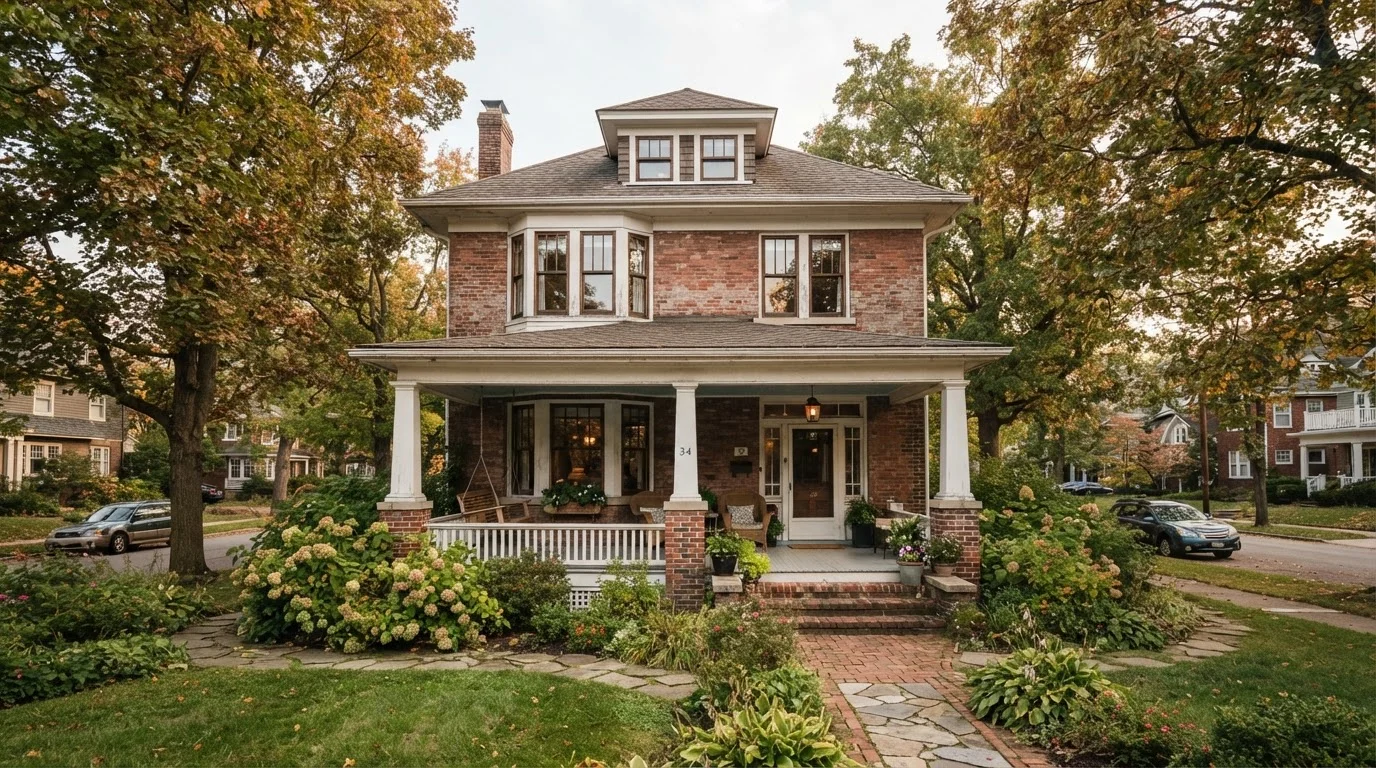
Photo: BridgeWish.com | Reliable Source Of Information editorial
Key Takeaways
- Homes built before 1980 often contain materials like lead paint and asbestos that require professional handling.
- Understanding your home's construction era helps you predict which systems are nearing end-of-life.
- A written, age-aware maintenance schedule prevents small issues from becoming costly structural failures.
- Some repairs in older homes require permits and licensed tradespeople — skipping that step can create liability.
- Budgeting 1–2% of home value annually for maintenance is a common rule of thumb, but older homes may need more.
Why Older Homes Need a Different Maintenance Mindset
An older home is not simply a newer home with more wear. The materials, construction standards, and systems installed decades ago behave differently from modern equivalents — and they age on their own timeline. A roof replaced in 1998 is approaching the end of a typical asphalt shingle lifespan. Cast-iron drain pipes installed in the 1960s corrode gradually and quietly. Knob-and-tube wiring, still present in some pre-1950 homes, doesn't meet modern load demands.
The core shift in mindset is moving from reactive maintenance (fixing what breaks) to age-aware maintenance (anticipating what's likely to fail based on the home's history and materials). This isn't alarmism — it's how you avoid the compounding costs described in skipping routine home maintenance.
~40%
US homes built before 1970
According to U.S. Census Bureau housing data, a significant share of the nation's housing stock predates modern construction standards.
8–12 years
Typical water heater lifespan
Industry guidelines from plumbing trade associations put conventional tank water heater life expectancy at roughly 8–12 years under normal use.
1–2%
Recommended annual maintenance budget
Housing advisors commonly suggest setting aside 1–2% of a home's value per year for maintenance, with older homes trending toward the higher end.
Know What You Have: Materials and Systems by Era
Your first task is understanding what generation of materials your home contains. Construction practices shifted significantly across decades:
- Pre-1940s: Plaster walls, old-growth lumber framing (dense and durable, but hard to work with), lead pipes, and knob-and-tube wiring are common.
- 1940s–1970s: Asbestos insulation, floor tiles, and pipe wrap were widely used until their health risks were understood. Galvanized steel water supply pipes in this era are prone to rust and restricted flow.
- 1970s–1990s: Polybutylene (PB) plastic plumbing, which proved prone to failure, was installed in millions of homes. Early HVAC systems and single-pane windows are typical.
- 1990s–2000s: Composite wood products and early low-E windows appear. Systems are newer but may be reaching end-of-life thresholds.
Pull out any home inspection reports, seller disclosures, or permit records you have. If those aren't available, a licensed home inspector or specialty contractor can help identify what's behind your walls and under your floors.
Before scheduling any renovation in a pre-1980 home, order a lead and asbestos test on the materials you'll be disturbing. Testing kits exist, but a certified inspector's report carries more weight if you ever need documentation.
When buying an older home or planning a major project, request a sewer scope inspection. Clay or cast-iron drain lines from mid-century construction are prone to root intrusion and collapse, and the repair bill can reach five figures.
Safety Concerns Specific to Aging Properties
Some maintenance issues in older homes are not just costly — they're health or safety risks that require careful handling:
- Lead-based paint
- Common in homes built before 1978. Intact lead paint is generally less hazardous than deteriorating or disturbed paint. Any sanding, scraping, or demolition in a pre-1978 home should be handled by an EPA-certified Renovation, Repair, and Painting (RRP) contractor.
- Asbestos
- Found in insulation, floor tiles, popcorn ceilings, and pipe wrap in homes built before the mid-1980s. Do not disturb suspected asbestos materials. Have them tested by a certified inspector and, if removal is needed, hire a licensed abatement professional.
- Outdated electrical panels
- Federal Pacific Electric (FPE) Stab-Lok panels and certain Zinsco panels have been associated with breaker failure. If your home has one, have a licensed electrician evaluate it.
- Carbon monoxide risks
- Older furnaces, boilers, and water heaters may vent improperly as seals degrade. Install CO detectors on every level and have combustion appliances inspected annually.
Do Not Disturb Suspected Hazardous Materials
Building a Realistic Upkeep Schedule
An age-aware schedule layers standard seasonal tasks on top of system-specific checks tied to your home's likely component age. Start by mapping out what you know about each major system — roof, HVAC, plumbing, electrical, foundation — and estimating its age and typical lifespan.
From there, build your calendar around inspection intervals rather than just visible problems. For a thorough seasonal framework, the month-by-month annual maintenance cycle is a useful companion resource.
- Annually: HVAC service, chimney inspection (if applicable), roof and gutter check, water heater flush, caulking inspection around windows and doors.
- Every 2–5 years: Exterior paint assessment, drain line scoping (especially in homes with older cast-iron or clay pipes), crawl space or basement moisture check.
- As systems age: Plan proactively for roof replacement (15–25 years for asphalt), water heater replacement (8–12 years), and HVAC replacement (15–20 years).
Write it down. A simple spreadsheet with system, estimated age, next inspection date, and contractor contact keeps you ahead of failures rather than behind them.
Start With a Baseline Home Inspection
When to DIY and When to Call a Licensed Professional
Older homes can tempt owners into self-reliance, especially when repair needs feel endless. But the calculus on what's safe to handle yourself is different when hazardous materials, aging infrastructure, or permitted work is involved.
Independent home maintenance has real limits — and in an older property, those limits appear more frequently. Tasks involving electrical panels, gas lines, structural modifications, roof replacement, and anything that disturbs pre-1980 materials should generally involve a licensed professional. Many of these jobs also require permits and inspections under local building codes; unpermitted work can create problems when you sell or file an insurance claim.
Where DIY is reasonable: painting (in post-1978 areas with intact surfaces), caulking and weatherstripping, minor plumbing fixture swaps, gutter cleaning, and general landscaping that affects drainage. When in doubt, get a professional assessment first — it's often less expensive than fixing a DIY repair that went wrong.
Budgeting for an Aging Home
The commonly cited rule of thumb — budget 1% of your home's value annually for maintenance — was developed with average-age homes in mind. Many housing professionals suggest that owners of older homes plan for 1.5–2% or more, particularly if major systems haven't been updated recently.
That figure isn't a guarantee of what you'll spend in any given year, but it creates a reserve so that when the furnace fails in February, you're not making a financial decision under pressure. Consider a dedicated home maintenance savings account, separate from your emergency fund.
Deferred maintenance rarely stays cheap. The relationship between small neglected tasks and large structural failures is well-documented — see what deferred maintenance actually costs homeowners for a closer look at how that compounding works.
“The biggest mistake older-home owners make is treating maintenance like an emergency fund — only thinking about it when something fails. The homes that hold their value are the ones with owners who treat upkeep as a continuous, scheduled process.”
— Home Editorial Team, Editorial perspective based on housing industry guidance and homeowner research
This article is for general informational purposes only. Always verify local building codes, permit requirements, and hire appropriately licensed professionals for hazardous or regulated work in your home.
The content on this site is for informational purposes only and is not a substitute for professional advice. Always consult a qualified professional for guidance specific to your situation.