
The Hidden Costs of Skipping Routine Home Maintenance

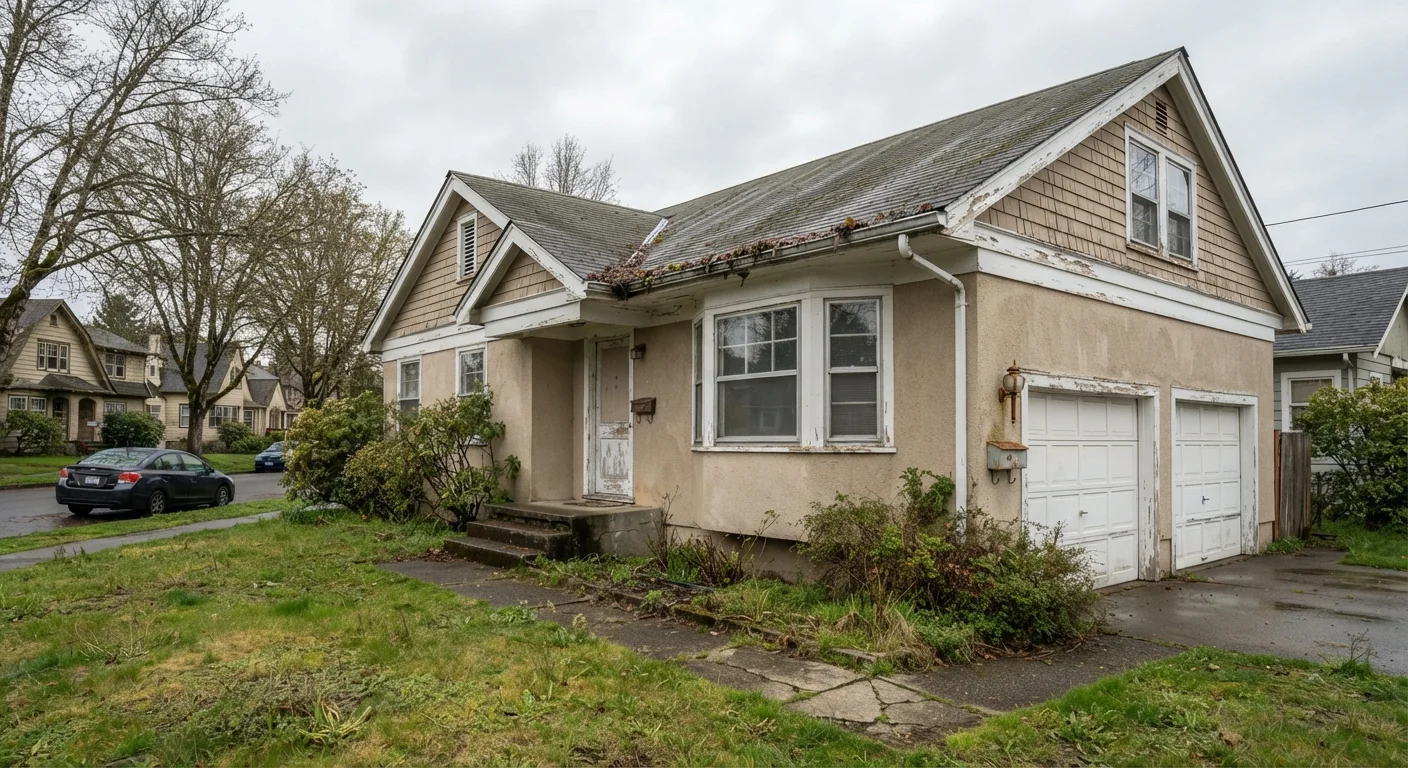
Photo: BridgeWish.com | Reliable Source Of Information editorial
Key Takeaways
- Skipping routine maintenance tasks almost always increases total long-term repair costs.
- Water intrusion — from clogged gutters or failed caulking — is among the most expensive cascading failures.
- HVAC, roofing, and plumbing systems are especially vulnerable to deferred maintenance compounding.
- A simple annual maintenance budget of 1–2% of home value can prevent most major surprise expenses.
- Deferred maintenance can lower a home's appraised value and complicate future resale or refinancing.
Why Small Tasks Become Big Problems
Most homeowners don't intend to neglect their home — life gets busy, budgets tighten, and a dripping gutter or slightly soft caulk line doesn't feel urgent. But home systems don't wait. Water, pressure, and temperature shifts continue working on those gaps whether you address them or not.
The pattern is consistent: a minor issue goes unaddressed, creates conditions for a secondary problem, and that secondary problem causes damage to an adjacent system. A clogged downspout forces water against a foundation. That moisture softens framing at the sill plate. Rot sets in, and suddenly a $75 gutter cleaning has become a structural repair conversation. Deferred maintenance rarely stays contained — it compounds.
Damage Often Isn't Visible Until It's Costly
The Highest-Risk Systems to Neglect
Some home systems are especially unforgiving when maintenance is skipped. Understanding which ones carry the most cascading risk helps homeowners prioritize limited time and money.
- Roofing and gutters: Even a small roof penetration — around a flashing, vent, or worn shingle — can admit water that travels far from the entry point before appearing as a stain or soft spot.
- HVAC systems: Skipping annual filter changes and system inspections reduces efficiency, shortens equipment life, and can lead to refrigerant issues or heat exchanger failures — all significantly more expensive than a service visit.
- Caulking and weatherstripping: Failed seals around windows and doors allow moisture infiltration and energy loss simultaneously, driving up utility costs while quietly degrading framing and insulation.
- Plumbing slow leaks: Slow drips under sinks or around supply lines are frequently ignored. Over months or years, they saturate subflooring and cabinetry, creating mold conditions that require remediation well beyond the original plumbing fix.
For homeowners weighing which tasks to handle themselves versus hire out, understanding the realistic trade-offs of self-managed maintenance is a useful starting point.
1–2%
Of home value recommended annually for maintenance
A widely cited rule of thumb among housing industry professionals for budgeting routine home upkeep.
~$6,000
Average emergency HVAC replacement cost
Emergency system replacements — particularly HVAC — typically cost significantly more than planned replacements after routine maintenance extends equipment life.
10×
Potential cost multiplier of unaddressed water damage
Water intrusion left unaddressed can multiply remediation costs dramatically once mold, rot, or structural damage compounds the original issue.
The Financial Logic of Staying Current
Routine maintenance isn't just a structural concern — it's a budgeting consideration that affects your household's financial stability. A commonly cited general guideline recommends setting aside roughly 1–2% of a home's value annually for upkeep. On a $350,000 home, that's $3,500–$7,000 per year — a real number, but typically far less than a single emergency repair to a failed roof, flooded basement, or seized HVAC unit.
There's also the resale dimension. Buyers and their inspectors are trained to spot deferred maintenance, and appraisers formally account for it. Neglected upkeep can lower appraised value and weaken your negotiating position at closing. Staying current on maintenance preserves equity in a way that other home improvements often don't match dollar-for-dollar.
Start With a Simple Seasonal Checklist
The principle applies across ownership categories. Just as skipping oil changes in a vehicle leads to compounding engine damage, skipping home maintenance routinely produces repair bills that dwarf what prevention would have cost.
Building a Maintenance Habit That Sticks
The most practical defense against deferred maintenance isn't a perfect home — it's a repeatable habit. A few structural approaches help homeowners stay on track without requiring constant attention or expertise.
- Seasonal walkthroughs: A brief inspection each season — checking seals, testing systems, clearing debris — catches emerging issues before they develop. Spring is a particularly valuable time for inspection, as winter damage often becomes visible only after the freeze-thaw cycle ends.
- A written task list: Tracking maintenance tasks and completion dates removes the reliance on memory. Even a basic spreadsheet or phone note reduces the risk of months turning into years between inspections.
- Knowing when to stop patching: Repeated small repairs on aging systems sometimes cost more than timely replacement. Recognizing the patterns that signal it's time to stop patching is a practical skill worth developing.
Routine maintenance isn't glamorous. But it's consistently one of the highest-return activities a homeowner can prioritize — both for the home's condition and for long-term financial stability.
Frequently Asked Questions
The content on this site is for informational purposes only and is not a substitute for professional advice. Always consult a qualified professional for guidance specific to your situation.