
What Homeowners Get Wrong About Roof Maintenance

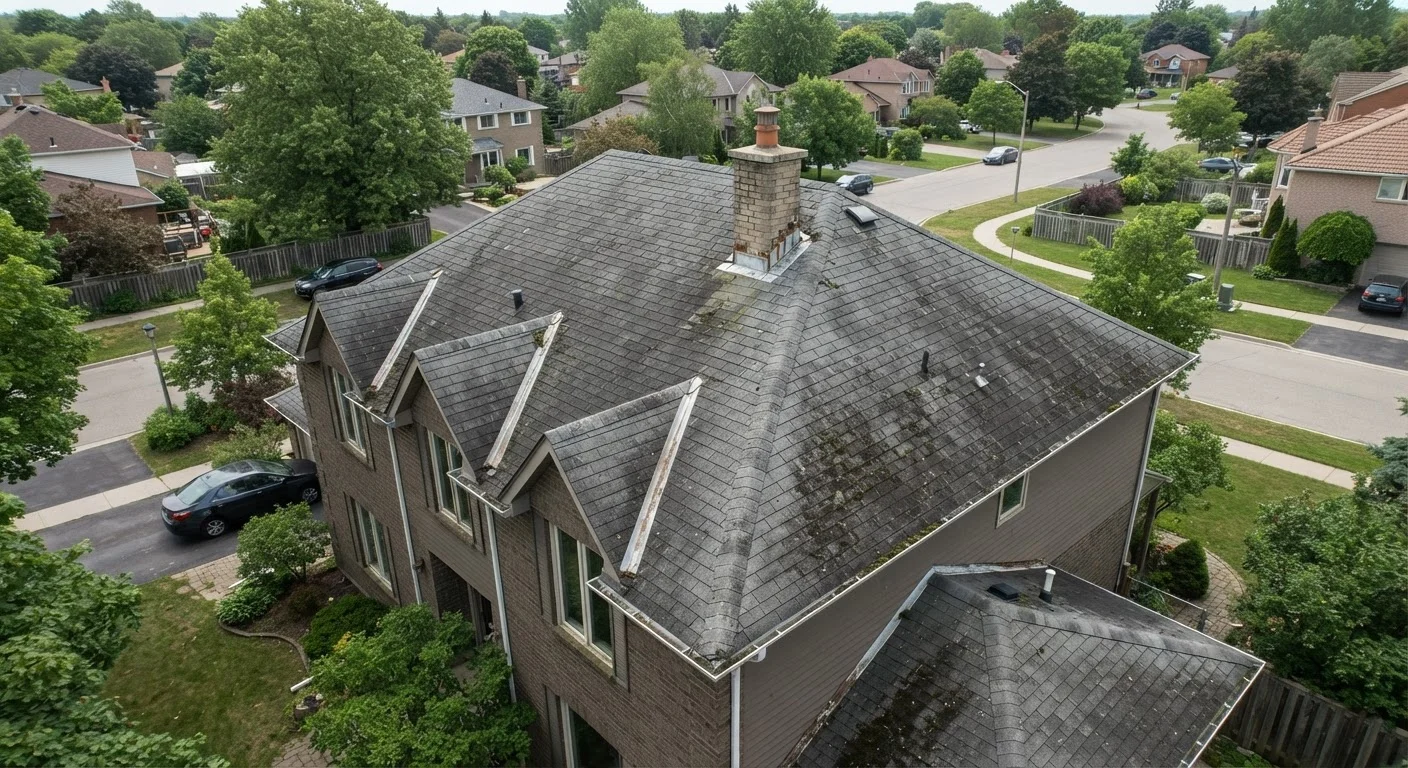
Photo: BridgeWish.com | Reliable Source Of Information editorial
Key Takeaways
- Pressure washing strips protective granules from asphalt shingles, accelerating wear.
- Poor attic ventilation traps heat and moisture, degrading roofing materials from the inside out.
- Skipping annual inspections allows minor flashing failures and small leaks to become major structural problems.
- Clogged gutters force water back under shingles, leading to rot and interior water damage.
- Walking on the roof without proper technique or training can crack shingles and void manufacturer warranties.
Why Roof Mistakes Are So Costly
A roof that appears intact from the street can be quietly failing in ways that only become obvious — and expensive — once water has already entered the home. The true cost of deferred roof maintenance rarely stays contained to the roof itself: it spreads to insulation, framing, drywall, and even the foundation over time.
Most roof damage doesn't happen all at once. It accumulates through repeated small mistakes — a missed inspection here, an overly aggressive cleaning there — until the system is compromised. Understanding what those mistakes are is the first step toward getting more years out of your existing roof.
40%
Of roof failures linked to poor ventilation
Industry roofing associations estimate that inadequate attic ventilation contributes to a significant share of premature roof system failures each year.
20+ years
Typical lifespan of a well-maintained asphalt roof
The National Roofing Contractors Association notes that proper maintenance — including regular inspections and prompt repairs — is the single biggest factor in reaching a roof's rated lifespan.
The Most Common Roof Maintenance Mistakes
The errors below represent some of the most frequently repeated missteps among US homeowners. Each one is avoidable, and correcting course on even one or two can meaningfully extend your roof's service life.
Pressure washing shingles to remove algae or moss.
Ignoring attic ventilation as part of roof health.
Treating clogged gutters as a separate issue from the roof.
Skipping professional inspections because the roof 'looks fine' from the ground.
Walking on the roof without proper training or technique.
Never Pressure Wash Asphalt Shingles
For a broader look at how roofing myths drive bad decisions, see our article on common assumptions about roof maintenance that lead to damage. You may also find that roof checks integrate naturally into a larger seasonal routine — our annual home maintenance calendar outlines what to check and when.
Building Better Roof Maintenance Habits
The most reliable way to avoid these mistakes is to treat roof maintenance as a scheduled system rather than a reactive one. Add a visual exterior check to your spring inspection checklist, note anything unusual after storms, and keep a simple log of when your last professional inspection occurred.
Roof Work Often Requires a Licensed Professional
When in doubt, the principle is simple: if a task requires you to be on the roof, work near electrical components, or involves structural materials, engage a licensed roofing contractor. The cost of a professional inspection is a fraction of what a preventable leak repair typically runs. Treating your roof as a system — shingles, flashing, gutters, attic ventilation — rather than just the shingles you can see is what separates homeowners who hit their roof's full lifespan from those who don't.
This article is for general informational purposes only. Roof repair and inspection requirements vary by location, roof type, and home structure. Always consult a licensed roofing professional and verify local permit requirements before undertaking any roof-related work.
The content on this site is for informational purposes only and is not a substitute for professional advice. Always consult a qualified professional for guidance specific to your situation.