
Common Assumptions About Roof Maintenance That Lead to Damage

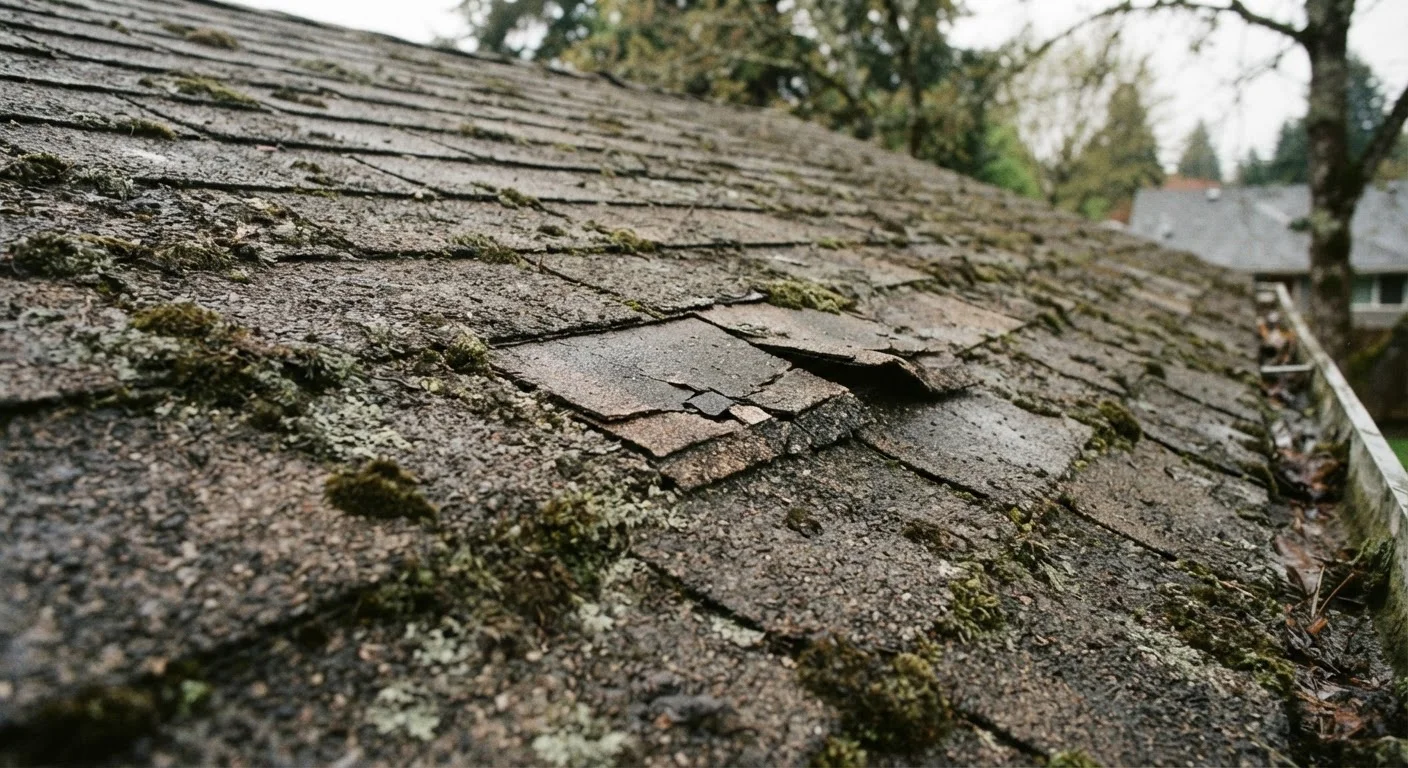
Photo: BridgeWish.com | Reliable Source Of Information editorial
Key Takeaways
- A roof with no visible leaks can still have significant hidden damage requiring attention.
- Walking on your roof to inspect it can cause more damage than the problem you're investigating.
- Gutters and attic ventilation are as critical to roof health as the shingles themselves.
- Most roofing repairs involving structural, flashing, or widespread shingle work require a licensed contractor.
- Annual or biannual professional inspections catch problems early and can extend a roof's lifespan.
Why Roof Myths Are Especially Costly
Of all the systems in a home, the roof is among the most expensive to replace and the easiest to damage through well-intentioned but misguided maintenance. Many homeowners operate on inherited assumptions — things passed down from neighbors, DIY forums, or simple guesswork. The problem is that acting on faulty beliefs about roofing can accelerate wear, void manufacturer warranties, or create safety hazards.
This article addresses the most persistent roof maintenance myths, explains what the evidence actually supports, and helps you understand when professional involvement is warranted. For a broader look at how deferred upkeep compounds costs, see how neglected maintenance becomes expensive.
Myth
If there's no visible leak inside, the roof is fine and doesn't need attention.
Fact
Interior leaks are a late-stage symptom. Significant moisture intrusion, shingle degradation, and decking damage can exist long before water appears on your ceiling.
Water travels along rafters and structural members before dripping visibly, which means by the time you notice a stain, the damage path may be extensive. Granule loss on asphalt shingles, cracked caulking around flashing, and lifted shingle edges are all signs of vulnerability that are only detectable from outside — and only if someone looks. Waiting for interior evidence means waiting for serious damage.
Myth
You can safely walk your roof yourself to check for problems.
Fact
Walking on a roof without proper equipment and training risks personal injury and can crack or dislodge shingles, creating the very damage you were trying to find.
Asphalt shingles are more fragile than they appear, particularly in cold temperatures or after years of UV exposure. Foot traffic concentrates pressure and can break the shingle's bond or crack the granule surface. Beyond the roof itself, falls from residential roofs are a significant cause of serious injury. Most visual inspections can be performed safely from the ground with binoculars or from a ladder at the eave — without ever stepping onto the surface.
Myth
Moss or algae on shingles is just cosmetic and doesn't need treatment.
Fact
Moss and algae retain moisture against the shingle surface, accelerating granule loss and, over time, causing the underlying material to deteriorate prematurely.
Moss in particular grows roots that physically lift shingle edges, allowing water to penetrate beneath. Algae, while less structurally damaging, signals persistent moisture conditions that may indicate poor drainage or ventilation. Treatment methods vary — pressure washing is generally discouraged by roofing professionals because it strips granules; lower-pressure chemical treatments are more appropriate. Consult a roofing contractor about the right approach for your specific shingle type and manufacturer guidelines.
[stat_highlights]Myth
A new roof doesn't need any maintenance for at least the first decade.
Fact
Even newly installed roofs benefit from periodic inspection, particularly after severe weather, because installation defects and storm events can create vulnerabilities from the start.
Manufacturer warranties on roofing materials typically require evidence of reasonable maintenance to remain valid. Flashing around chimneys, vents, and skylights is especially prone to early failure — it's often the weakest point in any roof system regardless of shingle age. A first inspection within the first year or two allows a professional to confirm the installation was completed correctly and that no early issues have emerged.
Myth
Any handy homeowner can handle roof repairs as a DIY project.
Fact
Minor tasks like replacing a single visible shingle may be manageable for experienced DIYers, but most roof repairs involving flashing, valleys, or more than a few shingles require licensed professional work.
Improper flashing installation is one of the most common causes of roof leaks, and it requires precise technique to seal correctly. Many municipalities also require permits for roofing work beyond simple maintenance, and insurance claims may be complicated if unpermitted or improperly performed repairs contributed to damage. The safety risk alone — working at height on a pitched surface — means honest evaluation of your skill level and equipment is essential before attempting any rooftop task.
The Bigger Picture: Gutters, Attic, and Inspection Habits
Roof health isn't isolated to shingles alone. Two of the most overlooked contributors to premature roof failure are clogged gutters and poor attic ventilation. Gutters that overflow push water back under the roof edge, saturating the fascia board and eventually rotting the decking underneath. For a practical seasonal guide, see gutter cleaning and inspection.
Attic ventilation matters because heat and moisture trapped under the roof deck warp sheathing and degrade shingles from beneath — damage that's invisible until it's extensive. A well-ventilated attic also reduces ice dam formation in colder climates. These system-level failures are also covered in detail in our companion piece on common roofing missteps.
Never Attempt Repairs on a Wet or Icy Roof
Finally, consider that roof inspections are not just for when you suspect a problem. Most roofing professionals recommend an inspection every one to two years, and always after a major storm. Catching a minor flashing gap or small lifted shingle early is far less expensive than addressing the water damage it causes over a season. These same principles apply across all home systems — see home maintenance myths that cost homeowners money for related misconceptions.
This article is for general informational purposes only and does not constitute professional roofing, structural, or construction advice. Always consult a licensed roofing contractor before undertaking repairs, and verify local permit and code requirements with your municipality.
The content on this site is for informational purposes only and is not a substitute for professional advice. Always consult a qualified professional for guidance specific to your situation.