
Gutters: Cleaning, Inspecting, and Knowing When to Replace Them

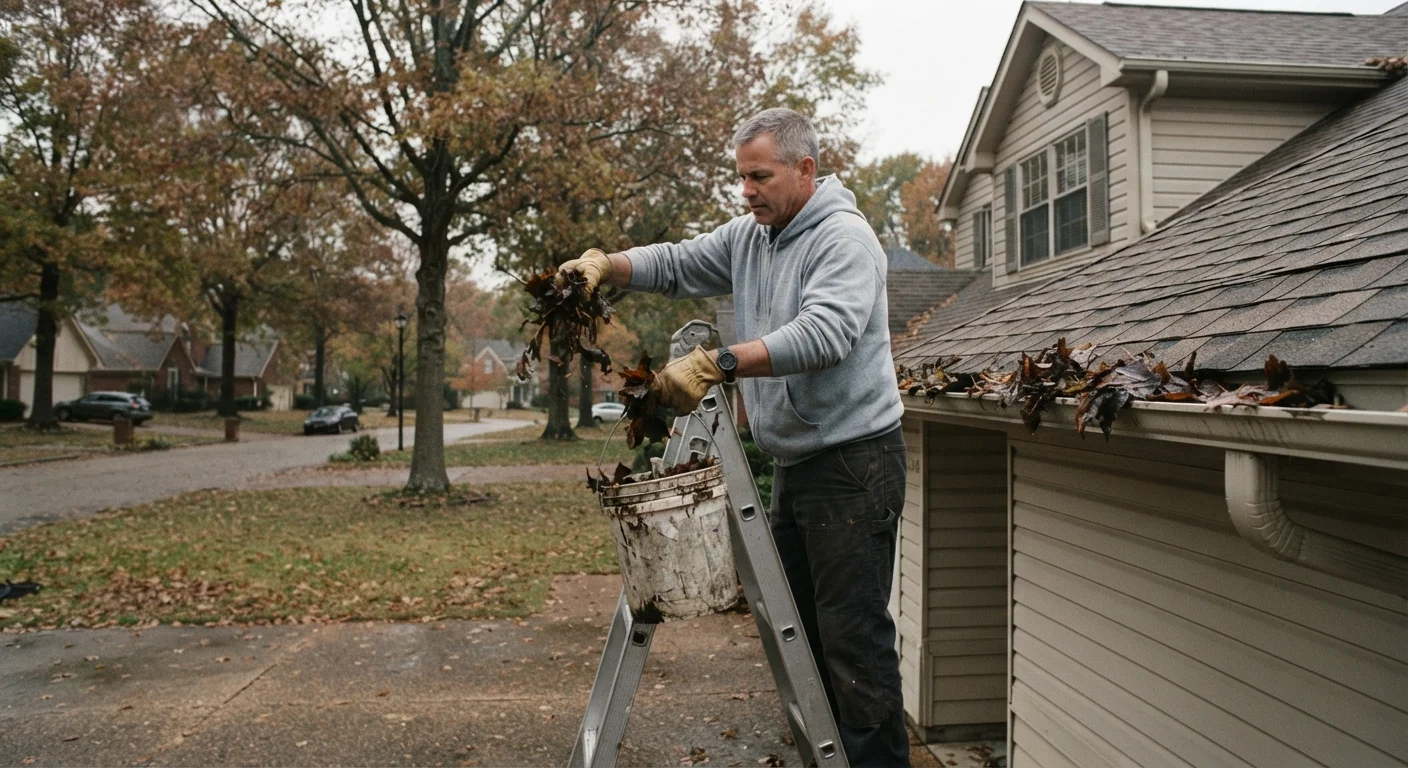
Photo: BridgeWish.com | Reliable Source Of Information editorial
Key Takeaways
- Clean gutters at least twice a year — once in late spring and once in late fall.
- Clogged or sagging gutters can redirect water toward your foundation, causing serious structural damage.
- Small cracks and leaky joints can be patched; widespread rust, separation, or sagging signals replacement.
- Always prioritize ladder safety and consider hiring a professional for multi-story or steep-roof homes.
- Downspout extensions and proper grading ensure water drains away from your home's foundation.
Why Gutters Matter More Than They Get Credit For
Gutters are a straightforward system with a consequential job: channel rainwater off the roof and away from the structure. When they fail — through blockage, damage, or improper drainage — water can infiltrate the fascia, soffit, siding, and eventually the foundation. Overflowing gutters are one of the more common contributors to basement moisture problems, and the damage they cause tends to be slow, hidden, and expensive by the time it is noticed.
Most homeowners think of gutter cleaning as a cosmetic chore. In practice, it is structural maintenance. A gutter that has separated from the fascia, lost its slope, or developed rust is no longer managing water — it is redirecting it somewhere you do not want it to go.
Gutter maintenance fits naturally into fall preparation. For a broader look at what else to address before cold weather arrives, see our fall home prep guide.
When to Schedule Your Cleaning
What You'll Need Before You Start
Gutter work does not require specialized equipment, but the right tools make the job safer and more effective. Gather everything on the ground before climbing — trips up and down the ladder increase fatigue and risk.
What you will need
Extension Ladder
Provides safe access to gutters on single- and two-story homes.
Gutter Scoop or Garden Trowel
Removes compacted leaves and debris from the gutter channel.
Garden Hose with Spray Nozzle
Flushes remaining dirt and tests water flow through the gutter system.
Plumber's Snake or Drain Auger
Clears stubborn blockages inside downspout pipes.
Gutter Sealant
Seals small cracks and leaky joints from the inside of the gutter.
Bucket and Hook
Hangs from the ladder to collect debris, keeping both hands free.
Step-by-Step: Cleaning and Inspecting Your Gutters
Work through the following steps in order. The process combines cleaning, flushing, and inspection so you complete all three in a single pass — more efficient than treating them as separate tasks. A more detailed breakdown of what a thorough inspection actually covers is available in our complementary article on the hidden jobs inside a routine gutter cleaning.
Multi-Story Homes: Consider Professional Help
Set up your ladder safely
Position your ladder on firm, level ground and extend it at least three feet above the gutter line so you have a secure handhold. Never lean a ladder directly against the gutter — this can bend or crack the channel. Use a standoff stabilizer (ladder arm) to brace against the fascia board instead. Have another adult present to stabilize the base whenever possible.
Remove debris from the gutter channel
Wearing gloves and safety glasses, scoop out leaves, twigs, and compacted sediment using a gutter scoop or garden trowel. Work toward the downspout outlet, dropping debris into a bucket or onto a tarp below. Pay attention to areas near roof valleys and overhanging trees — these accumulate the heaviest buildup.
Flush the gutters with a hose
Starting at the end farthest from the downspout, run a garden hose along the gutter channel toward the outlet. This flushes fine grit and tests whether water flows freely toward the downspout. Watch for pooling — if water sits in one spot, the gutter may need re-pitching (it should slope roughly a quarter-inch per 10 feet toward the downspout).
Clear downspout blockages
Direct the hose into the top of the downspout on full pressure. If water backs up rather than flowing through, there is a blockage. Try flushing from the bottom up. For stubborn clogs, insert a plumber's snake from the top and work it down to break up compacted debris. Retest with the hose after clearing.
Inspect for damage while the gutters are clear
With the channel clean and wet, this is the best moment to inspect. Look for:
- Cracks or holes — even small ones will widen over time
- Rust spots on steel gutters, which indicate the coating has failed
- Separated joints where sections have pulled apart
- Loose or missing hangers causing the gutter to pull away from the fascia
- Sagging sections that have lost their slope
- Peeling paint or staining on fascia boards below, indicating long-term overflow
Note any problem areas — minor issues can be repaired; widespread damage is a signal to consider replacement.
Seal minor cracks and tighten loose hardware
Small cracks and leaky joints can be repaired with gutter sealant applied to the inside of the channel. Clean and dry the area thoroughly before applying. For loose hangers or spikes, replace them with gutter screws (longer-threaded fasteners that grip better than original spikes). Re-pitch sagging sections by adjusting or adding hangers so the correct slope is restored.
Check downspout extensions and drainage
Verify that downspouts discharge water at least four to six feet from the foundation. If they terminate flush against the house, add a downspout extension or splash block to direct flow away. Proper grading of the soil around the foundation (sloping away from the house) also reduces the risk of water pooling near the base. For more on the downstream effects, see our guide on basement moisture sources and what you can control.
Knowing When Repair Isn't Enough
Not every gutter problem is patchable. Replacement is generally the right call when:
- Multiple sections have separated or are significantly sagging despite rehung hangers
- Rust has spread across large areas of steel gutters, weakening the channel
- The gutter has pulled away from the fascia in more than one location, suggesting the fascia itself is deteriorating
- The system is more than 20 years old and shows persistent leaks despite repeated repairs
Aluminum gutters, the most common type in US residential construction, typically last 20 years or more with routine maintenance. Galvanized steel gutters have a shorter lifespan and are more prone to rust. Seamless gutters — fabricated on-site in continuous runs — are less prone to joint failures than sectional systems and are worth considering if you are replacing an aging sectional installation.
Never Ignore Fascia Board Damage
When evaluating whether to repair or replace, also look upward. Gutters work in tandem with the roof, and damage to shingles or flashing can contribute to gutter overflow. Our article on common roof maintenance assumptions covers what homeowners often overlook when inspecting from the ground.
If replacement is needed, obtain estimates from at least two or three licensed contractors, verify their insurance coverage, and ask specifically about fascia condition before installation begins. This is general guidance — costs, materials, and local code requirements vary by location.
The content on this site is for informational purposes only and is not a substitute for professional advice. Always consult a qualified professional for guidance specific to your situation.