
Basement Moisture: Sources, Risks, and What You Can Control

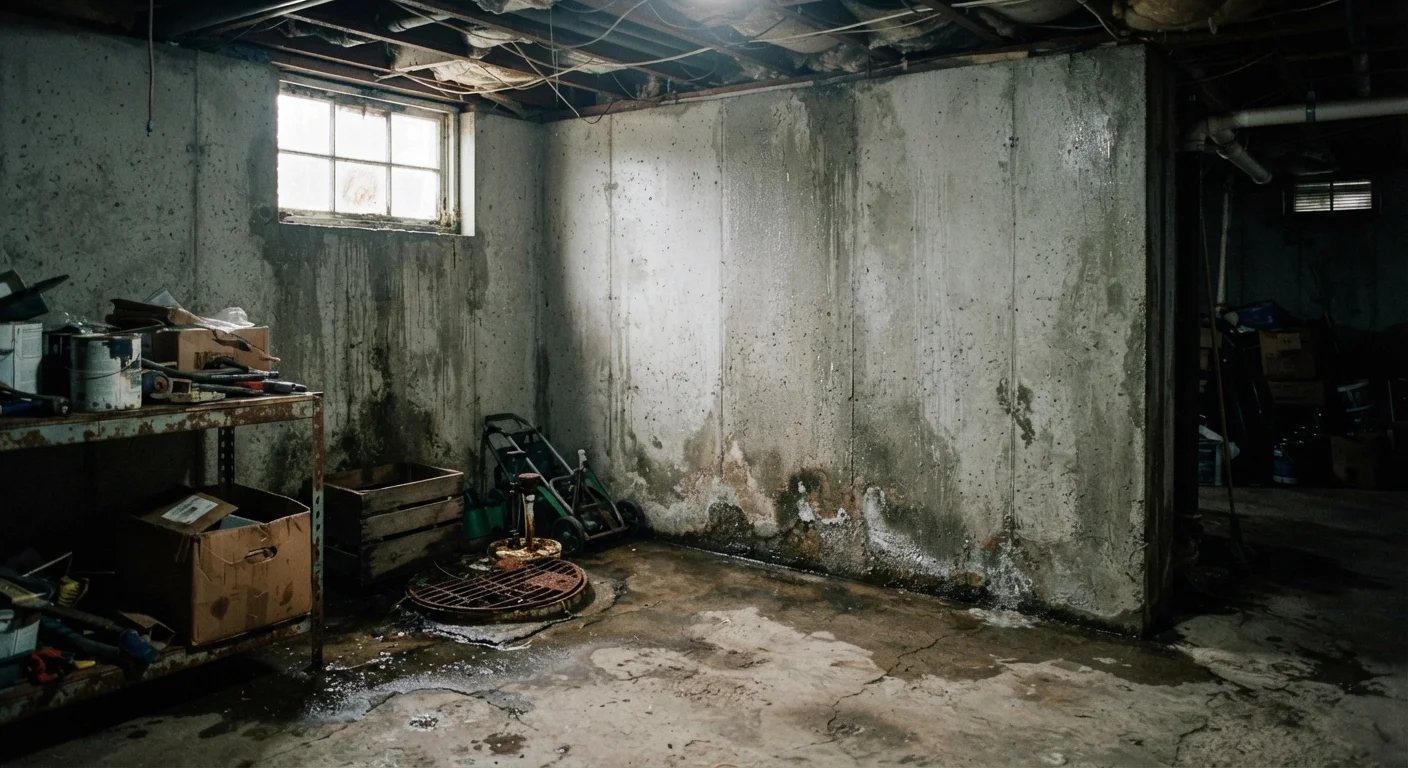
Photo: BridgeWish.com | Reliable Source Of Information editorial
Key Takeaways
- Basement moisture comes from three distinct sources: interior condensation, exterior soil water, and groundwater intrusion.
- Persistent dampness accelerates mold growth, degrades air quality throughout the home, and can weaken structural elements.
- Many common causes — poor grading, clogged gutters, and condensation — are addressable without major renovation.
- Hydrostatic pressure and foundation cracks typically require a licensed professional to diagnose and repair safely.
- Early intervention is almost always less expensive than addressing moisture damage after it compounds.
Why Basement Moisture Deserves Attention
A damp basement is rarely just an inconvenience. Because air in a home naturally moves upward — a process called the stack effect — whatever is in your basement air eventually circulates into the living spaces above. That means moisture, mold spores, and musty odors don't stay contained below grade.
Many homeowners notice a damp smell but assume it's normal for older homes. In reality, some degree of moisture management is achievable in most basements, regardless of age or construction type. The first step is understanding where the water is actually coming from — because the source determines the solution. As the true costs of deferred maintenance article explains, ignoring small moisture signs early tends to compound into significantly larger repairs.
~60%
U.S. homes with below-grade moisture issues
The American Society of Home Inspectors has estimated that a majority of homes with basements experience some form of moisture intrusion over time.
24–48 hrs
Time for mold to begin growing on wet materials
According to the U.S. Environmental Protection Agency, mold can start developing on damp organic materials within one to two days under suitable temperature conditions.
6 inches
Recommended soil slope away from foundation
Building and waterproofing guidance generally recommends a minimum 6-inch drop in grade over the first 10 feet around a home's foundation to direct runoff away from walls.
The Three Main Sources of Basement Moisture
1. Interior Condensation
Warm, humid air from inside the home contacts cooler basement surfaces — walls, pipes, and floors — and condenses into liquid water. This is especially common in summer months. Signs include water droplets on cold pipes, damp spots on walls that dry out in cooler weather, and sweating concrete floors.
2. Rainwater and Surface Runoff
Improper grading around the foundation, downspouts that discharge too close to the house, and saturated soil all push surface water toward basement walls. Water then seeps through pores in concrete block or poured concrete walls — a process called capillary action. Efflorescence (white chalky deposits left behind as water evaporates through masonry) is a reliable visual signal of this process. Keeping gutters clear and functional is one of the most effective ways to reduce this source of intrusion.
3. Groundwater and Hydrostatic Pressure
When the water table rises — after heavy rain or during spring snowmelt — water presses against foundation walls and floors from the outside. This hydrostatic pressure can force water through cracks, floor-wall joints, and even through seemingly solid concrete. This source is the hardest to address without professional drainage systems.
Run a simple foil test before buying equipment: tape a 12-inch square of aluminum foil to a damp basement wall for 24 hours. Moisture on the room-side surface points to condensation; moisture behind the foil means water is migrating through the wall.
Walk the perimeter of your home during or immediately after a heavy rainstorm to observe exactly where water flows and where it collects near the foundation.
Health and Structural Risks
Sustained basement moisture creates conditions that affect both the building and its occupants.
Mold and Air Quality
Mold can begin growing on organic materials — wood framing, drywall, stored belongings — within 24 to 48 hours of moisture exposure under the right temperature conditions. Because basement air rises through the home, mold spores can affect indoor air quality on every floor. This is a particular concern for people with asthma, allergies, or compromised immune systems. If you suspect significant mold growth, consult an indoor air quality professional rather than attempting large-scale remediation without guidance.
Structural Deterioration
Long-term moisture weakens wood floor joists and sill plates resting on the foundation. It also accelerates the corrosion of steel reinforcement inside concrete walls and can cause masonry to spall (flake and crumble) through repeated freeze-thaw cycles. The relationship between below-grade moisture and structural decay is well-documented — and the damage is rarely visible until it's advanced.
Don't Rely on Bleach for Mold Remediation
What Homeowners Can Realistically Control
Not every moisture problem requires a contractor. Several of the most common sources respond well to targeted homeowner action.
- Regrade the soil: The ground around your foundation should slope away from the house — roughly 6 inches of drop over the first 10 feet. Flat or inward-sloping soil funnels rain directly toward the foundation.
- Extend downspouts: Downspout extensions that discharge water at least 4–6 feet from the foundation dramatically reduce surface-water pressure on basement walls.
- Manage interior humidity: Running a properly sized dehumidifier in the basement during warm months reduces condensation. Look for units rated for the square footage of the space and check that drainage is set up for continuous operation.
- Seal minor cracks: Small, stable cracks in poured concrete walls (less than 1/8 inch wide, with no movement) can be filled with hydraulic cement or polyurethane injection kits. Monitor sealed cracks over time — reopening or widening warrants professional evaluation.
- Improve ventilation: If the basement has windows, opening them during cool, dry weather (not humid summer days) can help reduce condensation. Ensure dryer vents exhaust outside, not into the basement.
Common home maintenance myths, such as the belief that interior sealant paints permanently waterproof a basement, can lead homeowners to skip the exterior drainage work that actually solves the problem. Interior coatings can manage minor seepage but do not address hydrostatic pressure.
Start With the Exterior Before the Interior
When to Call a Professional
Some moisture conditions are beyond the scope of typical homeowner maintenance and carry real risk if handled without proper knowledge or equipment.
Contact a licensed contractor or waterproofing specialist when you observe:
- Water actively entering through the floor-wall joint or pooling on the floor after rain
- Horizontal cracks in block foundation walls (a sign of soil pressure that may indicate structural movement)
- Widespread mold covering more than a small area (generally cited as 10 square feet or more as a threshold warranting professional remediation)
- Bowing or bulging foundation walls
- Persistent water intrusion despite completing the exterior improvements above
Interior drainage systems (such as French drains installed beneath the basement floor) and exterior waterproofing membranes are legitimate solutions for chronic groundwater problems, but they involve excavation, permits, and skilled installation. Get multiple estimates, ask contractors to identify the specific moisture source in writing, and verify that any proposed solution addresses that source directly.
For guidance on related exterior maintenance that supports a drier basement, see how roof and drainage assumptions can lead to water damage throughout the home.
This article provides general educational information about basement moisture and is not a substitute for a professional inspection or assessment of your specific home. Requirements for permits, licensed trades, and building codes vary by location — verify local requirements before undertaking any structural or drainage work.
The content on this site is for informational purposes only and is not a substitute for professional advice. Always consult a qualified professional for guidance specific to your situation.