
Moving Out the Right Way: Steps That Help You Leave Without Complications

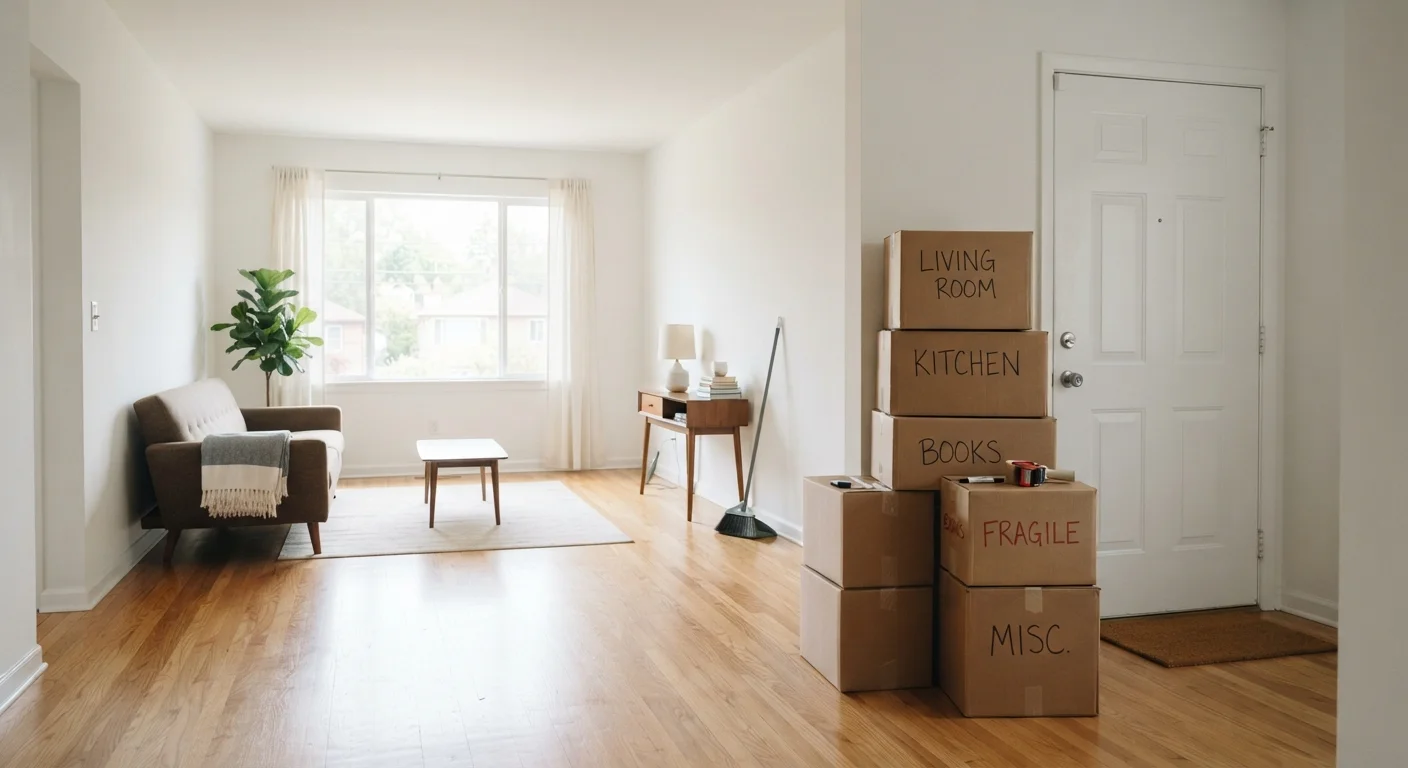
Photo: BridgeWish.com | Reliable Source Of Information editorial
Key Takeaways
- Written notice to your landlord must be submitted within the timeframe your lease specifies — often 30 to 60 days.
- Your move-in inspection report is your strongest evidence against unfair deposit deductions.
- Cleaning to a professional standard is the most common way renters lose part of their deposit.
- Request a pre-move-out walkthrough so you can fix issues before your landlord documents them.
- Document everything with timestamped photos on your final day before handing over keys.
Why the Move-Out Process Deserves Careful Planning
Moving out of a rental is more than hauling boxes. The way you close out your tenancy directly affects whether you receive your full security deposit back, whether your rental history stays clean, and whether you avoid legal disputes with a former landlord. The good news: most complications are entirely preventable when you approach the process systematically.
This checklist walks you through every stage — from submitting your notice to handing over keys — so nothing falls through the cracks. If you documented the unit carefully when you moved in, you're already in a strong position. If you didn't, see our move-in day walkthrough checklist so you know exactly what a thorough inspection looks like and can approximate it on your way out.
For a broader view of how this stage fits into the full renting lifecycle, the complete renting guide covers every phase from searching to signing to moving out.
Verbal Agreements Don't Hold Up
Late Notice Can Cost You Rent
Tools and Records You'll Need Before You Start
Before you work through the checklist, gather the following. Having these on hand will make every step faster and more defensible if questions arise later.
Move-in Inspection Report
Your baseline record of the unit's condition at move-in; use it to counter any disputed damage claims at move-out.
Smartphone Camera or Video App
Capture timestamped photographic and video evidence of the unit's condition on your final day.
Certified Mail or Email with Read Receipt
Delivers your written notice in a format that creates a verifiable, dated paper trail.
Spackling Compound and Touch-Up Paint
Fills small nail holes and covers minor scuffs before your landlord conducts the final inspection.
USPS Mail Forwarding Service
Automatically redirects mail to your new address for up to 12 months after your move-out date.
Good documentation habits during your tenancy also pay off here. If you've been keeping written records of maintenance requests and landlord communications, now is the time to compile them. Our guide on communicating with your landlord explains exactly why this paper trail matters — and how to use it.
The Move-Out Checklist
Work through these items in order. The first group is time-sensitive — notice deadlines and lease review should happen as soon as you know you're leaving, ideally four to eight weeks out. Cleaning, documentation, and logistics can be completed in the final week.
Notice and Lease Review
Documentation and Evidence
Cleaning and Repairs
Utilities and Address Changes
Key Handover and Final Steps
For a detailed breakdown of cleaning standards and what landlords typically look for during a final inspection, see our companion resource on moving out without losing your deposit.
Security Deposit Disputes Have Legal Deadlines
This article provides general informational guidance for renters and does not constitute legal or financial advice. Security deposit laws vary by state and locality. Consult a local tenant rights organization or licensed attorney if you have a dispute or need advice specific to your situation.
The content on this site is for informational purposes only and is not a substitute for professional advice. Always consult a qualified professional for guidance specific to your situation.