
Group Classes, Private Trainers, and Online Programs: How They Actually Differ

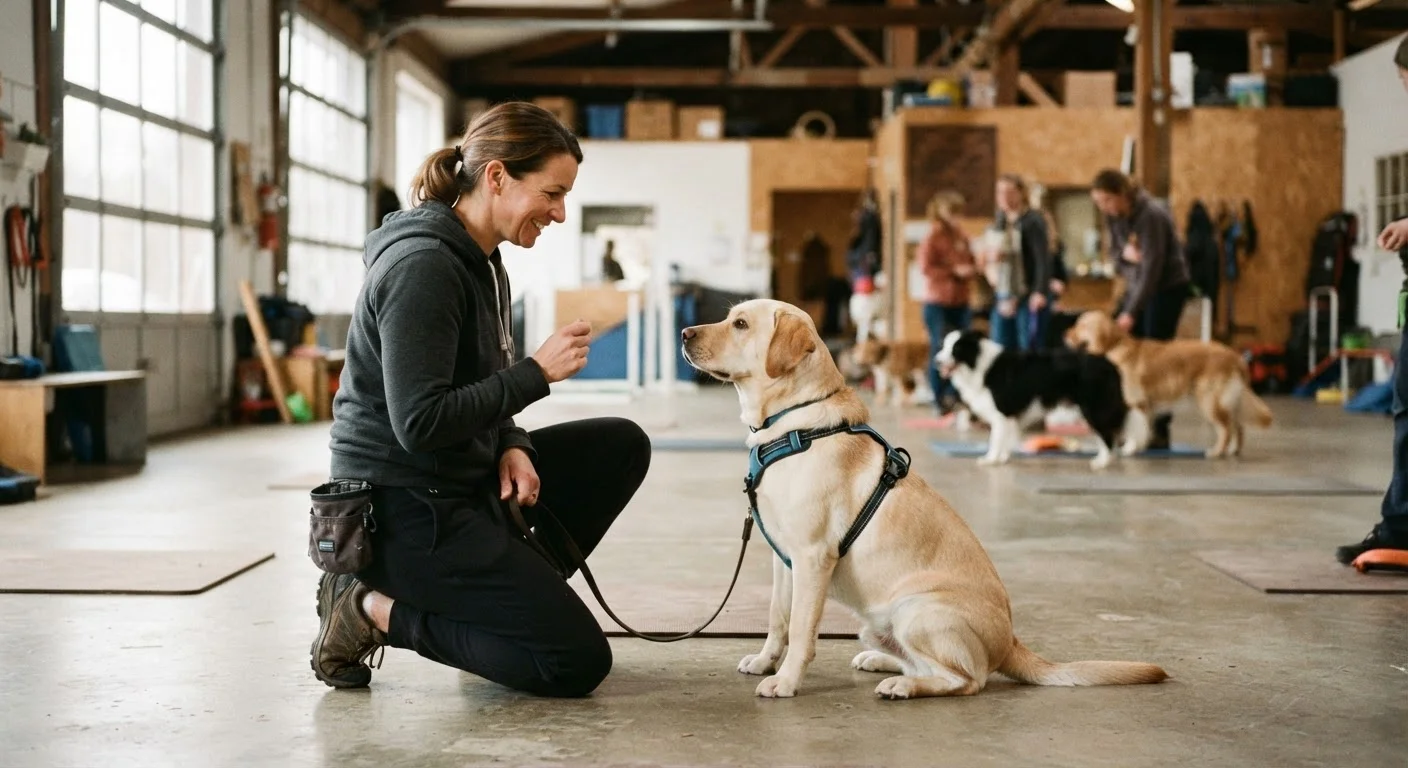
Photo: BridgeWish.com | Reliable Source Of Information editorial
Key Takeaways
- Group classes build socialization skills alongside basic obedience, making them ideal for puppies and confident dogs.
- Private trainers offer customized attention and are often the most effective option for behavioral challenges or fearful pets.
- Online programs provide flexibility and lower cost, but require owner commitment and self-guided consistency.
- No single format is universally superior — the best choice depends on your dog's temperament and your lifestyle.
- Combining formats over time can maximize long-term training success.
What Each Format Actually Involves
When it comes to pet training, the three most common formats — group classes, private sessions, and online programs — are often discussed as though they're interchangeable. They're not. Each operates on a different structure, serves different needs, and places different demands on both the owner and the animal.
Group classes typically involve a certified trainer leading several dogs and their owners through exercises in a shared space. Sessions are scheduled, structured around a curriculum, and usually run in multi-week blocks. Beyond skill-building, group settings provide controlled exposure to other dogs and people — a built-in socialization benefit that's hard to replicate elsewhere.
Private training means working one-on-one with a trainer, either in your home, a training facility, or another relevant environment. Sessions are tailored entirely to your dog's specific behavior, history, and goals. For dogs dealing with fear, aggression, reactivity, or other complex issues, this individualized approach is often not just preferable — it's necessary.
Online programs deliver instruction through video lessons, written guides, and sometimes live virtual consultations. They're self-paced and location-independent, making them accessible for owners with irregular schedules or limited local options. The trade-off is that real-time feedback and in-person correction are absent.
See our detailed side-by-side of group classes and private sessions for a deeper look at those two formats specifically.
Comparing the Formats Across Key Criteria
Understanding where each format excels — and where it falls short — helps you match the right approach to your pet's current situation.
| Group Classes | Private Trainers | Online Programs | |
|---|---|---|---|
| Typical cost | Lower; multi-week packages | Higher; per-session fee | Varies; often lowest overall |
| Real-time feedback | Shared attention from trainer | Immediate, individualized | Delayed or asynchronous |
| Socialization opportunity | Built-in with other dogs | None, unless arranged | None |
| Best for behavioral issues | Mild to none | Moderate to complex | Mild reinforcement only |
| Schedule flexibility | Fixed class times | Somewhat flexible | Fully self-paced |
| Owner skill required | Low to moderate | Low; trainer guides closely | Moderate to high |
Cost is often the most visible difference. Group classes tend to be the most affordable structured option, while private trainers reflect the premium of individualized expertise and time. Online programs vary widely but can be very economical for owners who are disciplined and consistent.
Trainer access matters enormously when problems arise mid-session. In a group class, the trainer's attention is divided. With a private trainer, corrections and encouragement are immediate. With online programs, feedback may come through community forums, email, or scheduled video calls — useful, but not instantaneous.
Try Before You Commit to a Full Program
Which Format Fits Which Dog — and Owner
Choosing a format isn't just about your dog; it's also about your own schedule, confidence level, and learning style.
Group classes work well when:
- Your dog is a puppy or adolescent who needs socialization alongside basic obedience.
- Your dog is generally friendly and not overwhelmed by distractions.
- You benefit from structured sessions and enjoy learning alongside other owners.
Private training is worth the investment when:
- Your dog shows reactivity, fear-based behaviors, or any form of aggression.
- You've tried group classes and hit a plateau.
- Your dog's specific environment — apartment, home with children, multi-pet household — is central to the problem.
Online programs are a practical choice when:
- You're reinforcing known skills rather than addressing a new or complex issue.
- Scheduling in-person sessions consistently isn't feasible.
- You're a self-motivated learner comfortable applying written and video instruction.
Building a training routine that sticks is essential regardless of which format you choose — consistency between sessions matters as much as the sessions themselves.
~77M
Dogs owned in the US
According to the American Pet Products Association, tens of millions of US households own dogs, underscoring the wide range of training needs across varied living situations.
4–6 weeks
Typical group class duration
Most structured group obedience programs run four to six weeks, covering core commands and social exposure across weekly sessions.
This article is for general informational purposes only. For behavioral concerns that involve safety risks, consult a certified professional trainer or veterinary behaviorist.
The content on this site is for informational purposes only and is not a substitute for professional advice. Always consult a qualified professional for guidance specific to your situation.