
Separation Anxiety in Dogs: What It Is, What It Isn't, and How to Help

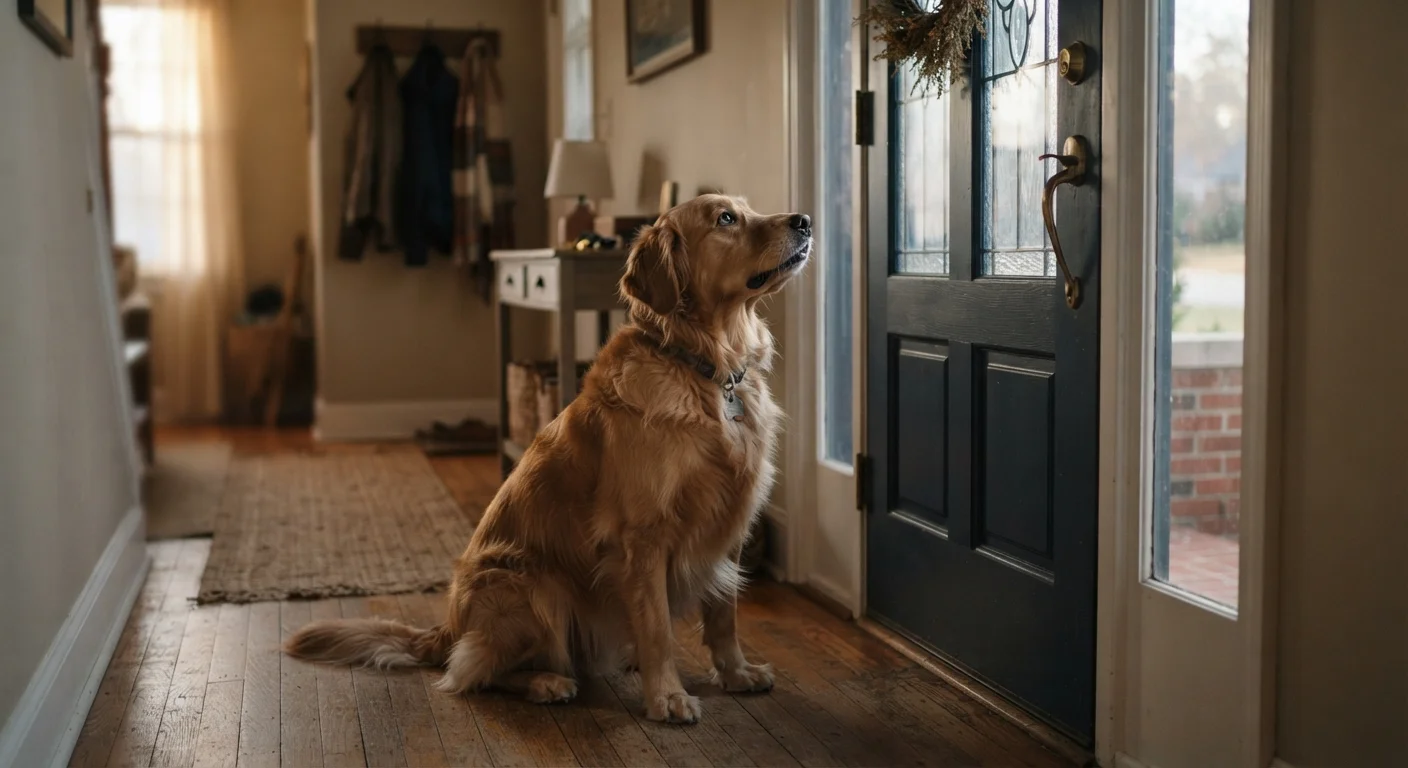
Photo: BridgeWish.com | Reliable Source Of Information editorial
Key Takeaways
- Separation anxiety is a genuine stress condition, not willful misbehavior or spite.
- Destructive behavior, excessive vocalization, and house soiling are common signs — but they can also stem from boredom or frustration.
- Video recording your dog while alone is one of the most reliable ways to distinguish anxiety from other causes.
- Gradual desensitization to departures is the cornerstone of evidence-based treatment.
- A veterinarian or certified animal behaviorist should be consulted for moderate to severe cases.
Separation Anxiety vs. Boredom: Why the Distinction Matters
One of the most common mistakes owners make is assuming any destructive behavior in their absence means their dog has separation anxiety. In reality, a dog who chews furniture after being alone all day may simply be bored, under-exercised, or experiencing frustration at confinement — not clinical anxiety. Treating these two very different problems the same way rarely works.
True separation anxiety involves a fear response: the dog's nervous system is genuinely in distress. Signs typically include panting, pacing, whining, destructive behavior near exits, and house soiling — specifically tied to the owner's absence. Boredom-related behaviors, on the other hand, often appear mid-absence rather than immediately at departure, and dogs engaging in them usually seem fine — even cheerful — when you walk back in.
For a broader look at how these patterns develop, see our guide on understanding separation anxiety causes and signs.
Not All Alone-Time Behaviors Are the Same
How to Tell What's Really Happening
The single most useful diagnostic tool available to pet owners costs nothing: a phone camera set up to record your dog while you leave. Watching that footage often tells more than any owner description could. Ask yourself: does the distress start within the first few minutes of your departure? Does it persist the entire time or settle down? Is your dog destroying things near doors and windows specifically?
Behaviors that point toward true anxiety include:
- Vocalizing (whining, barking, howling) that begins as you prepare to leave
- Attempts to escape through doors, windows, or crates
- Salivation, panting, or trembling in your absence
- House soiling from a dog who is otherwise reliably housetrained
Behaviors more consistent with boredom or frustration include chewing on items with interesting textures or scents, playing with objects they normally ignore, or engaging in repetitive behaviors only partway through your absence. These dogs are often relaxed when you return. The distinction matters enormously for choosing the right approach. Our article on common pet behavior myths also covers why 'guilty' looks after destruction rarely mean what owners think.
Humane, Evidence-Based Approaches to Treatment
For dogs with confirmed separation anxiety, the gold-standard approach is systematic desensitization — a gradual process of teaching the dog that departures are safe and temporary. This works by starting at a level of absence so brief it doesn't trigger distress (sometimes just reaching for your keys), and building tolerance incrementally over days or weeks.
Key principles to keep in mind:
- Never punish anxious behavior. Punishment increases fear and makes the condition worse.
- Avoid flooding. Leaving a panicked dog alone for long periods and hoping they 'get used to it' is not effective and causes unnecessary suffering.
- Departures should be calm and neutral. Long emotional goodbyes can heighten anticipatory anxiety rather than soothe it.
- Environmental enrichment helps — but doesn't replace treatment. Puzzle feeders, chews, and calming music may ease mild frustration but won't resolve clinical anxiety on their own.
Creating a calm, predictable space at home also supports progress. Our guide on setting up a safe space for anxious pets offers practical setup advice that complements behavioral work.
Start Smaller Than You Think You Need To
When to Bring In a Professional
Mild cases with no self-injury and manageable distress may respond well to consistent owner-led desensitization. But moderate to severe separation anxiety — particularly when it involves self-harm, escape attempts, or significant distress lasting throughout the owner's absence — warrants professional support.
Options include:
- Veterinary behaviorists: Board-certified veterinarians with advanced training in behavior who can also prescribe medication when appropriate. Medication is sometimes an important part of treatment, not a last resort.
- Certified Applied Animal Behaviorists (CAABs): Non-veterinary professionals with graduate-level training in animal behavior.
- Certified Professional Dog Trainers (CPDTs) with specific experience in anxiety-related behavior.
Be cautious of any trainer who recommends punitive methods for anxious dogs. Fear-based anxiety does not respond well to correction-based training — and can worsen significantly. If a dog seems reactive or on-edge during departures, our article on fear vs. aggression in dogs may help clarify what you're seeing.
This article is for general informational purposes only and is not a substitute for professional veterinary or behavioral advice. If your dog is showing signs of distress, consult a licensed veterinarian or certified animal behaviorist.
Frequently Asked Questions
The content on this site is for informational purposes only and is not a substitute for professional advice. Always consult a qualified professional for guidance specific to your situation.