
Overfeeding Pets: How It Happens and Why It's Hard to Reverse

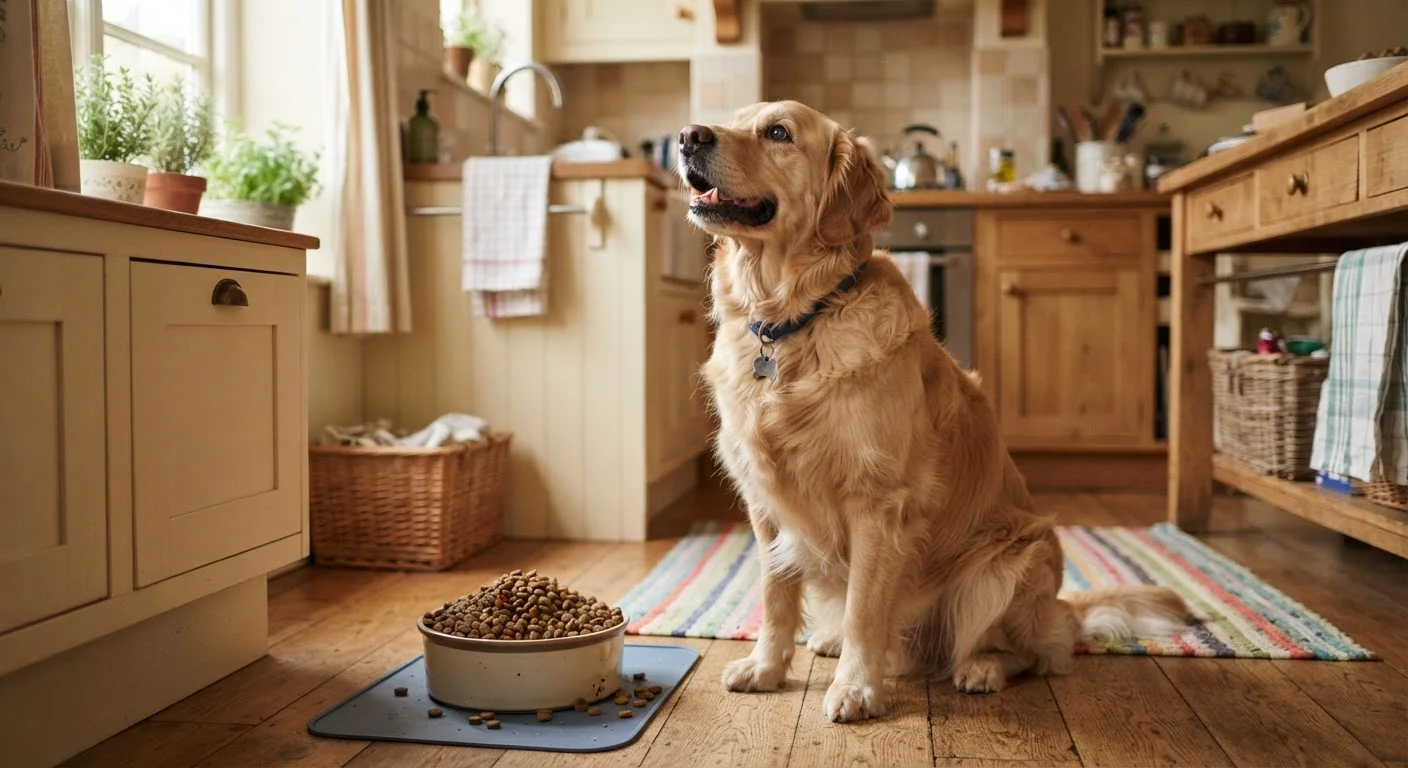
Photo: BridgeWish.com | Reliable Source Of Information editorial
Key Takeaways
- Feeding guidelines on pet food labels are general estimates, not personalized prescriptions for your specific animal.
- Treats can account for a surprisingly large share of a pet's daily calorie intake without owners realizing it.
- Pet obesity is linked to serious health conditions including joint disease, diabetes, and shortened lifespan.
- Gradual weight gain is easy to miss — regular weigh-ins and vet check-ins are the most reliable checkpoints.
- Multiple household members feeding a pet without coordinating is one of the most common causes of accidental overfeeding.
Why Overfeeding Is So Easy to Do
Most pet owners who overfeed their animals aren't doing it out of carelessness — they're doing it out of love. Filling a bowl, offering a treat, slipping a scrap from the table: these small gestures feel like care. The problem is that calories add up quietly, and pets don't have a reliable way to signal when enough is enough.
Unlike humans, many dogs and cats will eat enthusiastically well past the point of satiety, especially if food is freely available. Owners often interpret a pet finishing its bowl — or begging for more — as evidence it wasn't fed enough. Over time, these small additions accumulate into a pattern that leads to weight gain.
Understanding how overfeeding happens is the first step to preventing it. The mistakes below reflect the most common patterns veterinary professionals see, and each one is correctable once you know what to look for. You may also want to explore common myths about pet nutrition that can inadvertently reinforce overfeeding habits.
The Most Common Overfeeding Mistakes
These patterns appear across pet types and owner experience levels. Recognizing them in your own routine is what makes change possible.
Trusting the feeding guide on the bag as a precise daily target.
Underestimating how much treats contribute to total daily calories.
Multiple household members feeding the pet without checking in with each other.
Feeding in response to begging behavior rather than schedule.
Skipping regular weigh-ins and relying on appearance alone.
~60%
US dogs and cats classified as overweight or obese
According to the Association for Pet Obesity Prevention's annual surveys, more than half of US companion dogs and cats are estimated to be above a healthy weight.
20–30%
Daily calories treats can silently add
Veterinary nutrition experts commonly note that treats and table scraps can make up a significant share of a small pet's total daily caloric intake when not tracked.
Why Weight Creep Is Hard to Catch — and Harder to Reverse
A pound of weight gain on a 12-pound cat represents roughly an 8% increase in body mass — equivalent, proportionally, to a significant amount of weight on a human. Because we see our pets every day, we adapt to slow changes without noticing them. By the time the extra weight is visible, it's often been accumulating for months.
Reversing pet obesity requires more than simply reducing portions. Metabolic adaptation, reduced activity levels, and entrenched feeding habits all make the process slow. Crash diets are not appropriate for pets — rapid weight loss in cats, for example, can trigger a dangerous liver condition called hepatic lipidosis. Any weight-loss plan for an overweight pet should be developed in partnership with a veterinarian.
Never Put an Overweight Pet on a Crash Diet
For context on how portion awareness works across species, the principles discussed in why portion size matters more than most people realize offer useful framing — even if the specifics differ for pets. Your vet can help you set a safe caloric target based on your pet's ideal body weight, not its current one.
This article is for informational purposes only and does not constitute veterinary medical advice. Always consult a licensed veterinarian for guidance specific to your pet's health needs.
The content on this site is for informational purposes only and is not a substitute for professional advice. Always consult a qualified professional for guidance specific to your situation.