
Solo Travel Destinations: What Makes a Place Genuinely Welcoming to Go Alone

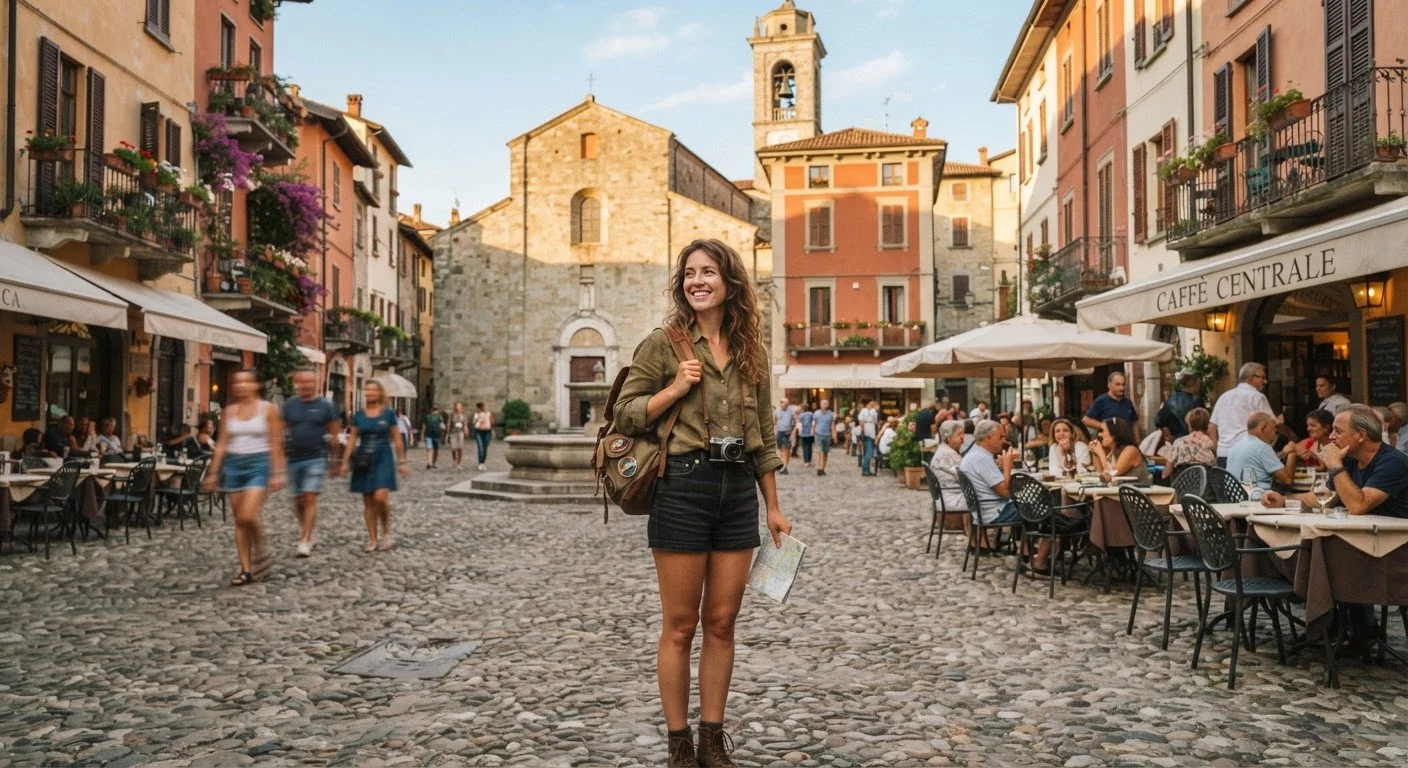
Photo: BridgeWish.com | Reliable Source Of Information editorial
Key Takeaways
- Solo-friendly destinations share specific traits — safety culture, walkability, and social infrastructure matter most.
- A place's attitude toward single travelers often shows up in accommodation design, dining culture, and public transport quality.
- Researching these factors before booking can dramatically improve your solo experience.
- Welcoming doesn't just mean safe — it means easy to connect, navigate, and enjoy independently.
- Your travel style and comfort level should shape destination choice as much as any ranking list.
Why 'Safe' Isn't Enough
Safety ratings get most of the attention when people research solo travel, and they matter — but they only tell part of the story. A city can score well on crime statistics while still feeling isolating, confusing to navigate, or unwelcoming to travelers on their own. Genuine solo-friendliness is a richer quality, and it's worth understanding what actually creates it.
If you're newer to independent travel, this orientation to destination selection is a helpful place to start. And if lingering fears are holding you back, many common concerns about solo travel don't hold up under scrutiny. Below are the markers that genuinely set solo-friendly destinations apart.
Reliable, Legible Public Transportation
A destination where you can move around confidently without a car — or without constantly negotiating rides — removes an enormous amount of daily friction. Look for cities with metro systems, clear bus routes, or well-marked transit apps that work in English. When getting from your accommodation to a museum or a neighborhood market is genuinely easy, you spend energy on the experience rather than logistics.
Good public transit also changes your social dynamic. Shared trains and buses create casual interaction opportunities that rental cars never do.
Easy transit means you spend energy on experience, not logistics.
A Dining Culture That Doesn't Penalize One
In some places, solo dining is completely normal — counter seating, communal tables, and bar dining are built into the culture. In others, restaurants are designed around groups and a table for one draws unwanted attention or outright refusal. This matters more than travelers expect, because eating is central to how you experience a destination.
Look for destinations with strong café cultures, street food scenes, or markets where eating alone is unremarkable. Japan, Portugal, and many Scandinavian cities are frequently cited by solo travelers for this reason — not because they're the only options, but because solo dining is genuinely woven into daily life there.
Where solo dining is normal, the whole trip feels more relaxed.
Accommodation Options Built for Independent Travelers
The accommodation landscape tells you a lot about how a destination thinks about solo visitors. Hostels with active common areas, boutique hotels with sociable lobby spaces, and guesthouses run by local hosts all create natural opportunities to meet people and get honest local advice. A destination with a wide range of these options — not just large resort hotels priced for couples — signals that solo travelers are a considered audience.
Single-occupancy supplement fees (extra charges for booking a room alone) are worth factoring in during research. Some destinations and property types charge significantly more for single travelers, which affects both your budget and your sense of welcome. Understanding your accommodation options as a solo visitor before you commit saves surprises later.
Accommodation variety is a reliable signal that solo travelers are genuinely welcomed.
An Active Social Infrastructure
Some destinations naturally generate opportunities to connect with other travelers and locals — through walking tours, climbing gyms, language exchange meetups, cooking classes, or neighborhood festivals. Others are beautiful but structured around private, coupled, or family experiences that leave solo travelers on the outside looking in.
When researching a destination, look at what's easy to join as an individual. Free walking tours are a classic example: they're low-commitment, widely available in many cities, and consistently rated by solo travelers as one of the best ways to meet people and get oriented simultaneously. A destination with rich activity options for one person isn't just more fun — it's more socially rewarding.
Easy-to-join activities make a destination socially alive for solo travelers.
A Culture of Helpfulness Toward Strangers
This one is harder to quantify but unmistakable in practice. Some places have a culture where asking a stranger for directions, recommendations, or help navigating an unfamiliar situation is met with genuine warmth. Others — not necessarily unfriendly — simply have norms where strangers don't engage easily, which can feel isolating when you're on your own.
Traveler forums, destination-specific subreddits, and first-person travel writing are better sources for this kind of qualitative insight than any ranking system. Look for consistent reports about locals being approachable, interactions feeling natural, and the general ease of navigating as a visible outsider.
Approachable local culture is invisible on safety charts but transformative in practice.
Walkable Neighborhoods With Natural Gathering Points
Walkability shapes solo travel in a specific way: it gives you the freedom to wander without a plan and still end up somewhere interesting. Destinations with dense, walkable neighborhoods — plazas, markets, waterfronts, or parks that people actually use — create the kind of ambient social energy that makes solo time feel full rather than empty.
Compare this to sprawling car-dependent destinations where getting anywhere requires a ride. That's not a disqualifier, but it does mean you'll spend more time in transit and less time in the kind of spontaneous, serendipitous situations that often become the highlight of a solo trip. For more on how your travel style should shape destination choice, these questions are worth working through before booking.
Walkable neighborhoods create the spontaneous moments solo travel is known for.
Putting It Together Before You Book
No single destination checks every box perfectly, and that's fine. The goal is to match a place's strengths to what you personally need from a trip. A destination with great social infrastructure might still require more navigation effort; a walkable city might have a quieter dining scene. Knowing which factors matter most to you narrows the field quickly.
Start With One Strong Signal
Working through a structured set of destination questions — covering budget, travel style, and entry requirements — helps you move from a shortlist to a confident choice. And if you're curious how solo planning compares to organizing a group trip, the differences are more significant than most people expect. Going alone isn't a lesser version of travel — with the right destination, it's often the more rewarding one.
The content on this site is for informational purposes only and is not a substitute for professional advice. Always consult a qualified professional for guidance specific to your situation.