
What Travelers Get Wrong About TSA Liquids Rules

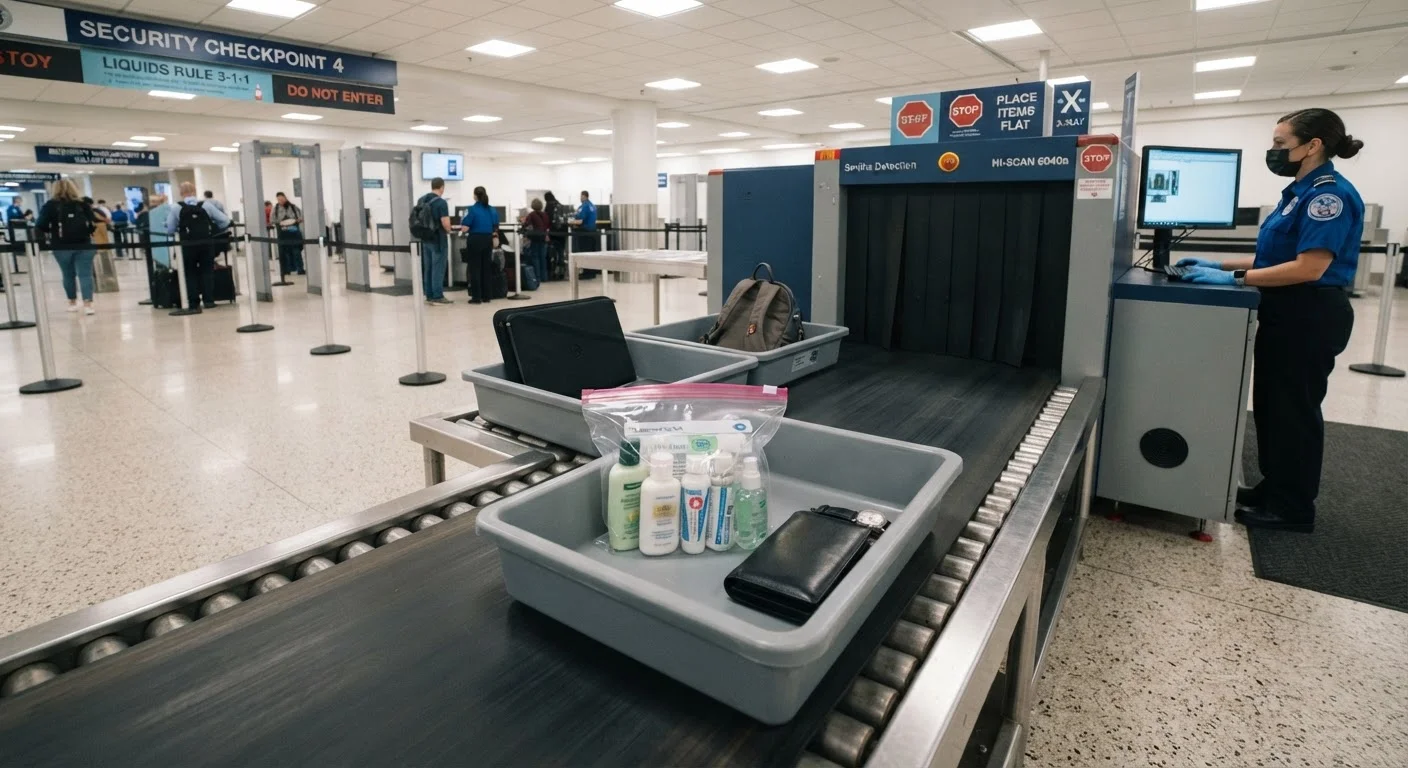
Photo: BridgeWish.com | Reliable Source Of Information editorial
Key Takeaways
- The 3-1-1 rule limits each liquid container to 3.4 oz (100ml) — not the total amount of liquid you carry.
- Medically necessary liquids, including baby formula, are generally exempt from standard 3-1-1 restrictions.
- Solid and gel versions of products (like bar soap or solid shampoo) are not subject to the liquid rule.
- TSA officers have final say at the checkpoint — rules can be applied with discretion in edge cases.
- Duty-free liquids over 3.4 oz are allowed in carry-ons under specific conditions with sealed tamper-evident bags.
Why the 3-1-1 Rule Trips So Many Travelers Up
The TSA's 3-1-1 rule has been in effect since 2006, yet it remains one of the most misunderstood policies at airport security. The result? Confiscated sunscreen, tossed-out hair products, and frustrated travelers at the checkpoint who were sure they had packed correctly.
The rule's name sounds simple — and it is, once you know exactly what each number means. But the assumptions people bring to it are where the trouble starts. Understanding what the rule actually covers (and what it doesn't) can save you real time, money, and hassle. These myths are some of the most persistent culprits.
For a broader look at how packing decisions affect your whole trip, see our guide to choosing between a checked bag and carry-on.
Myth
The 3-1-1 rule means you can carry up to 3.4 oz of liquid total in your carry-on.
Fact
The 3.4 oz limit applies to each individual container — not to the combined total of all liquids you bring.
Each liquid container must hold no more than 3.4 oz (100ml). You may carry multiple qualifying containers, as long as they all fit within one quart-sized, clear, zip-top bag. The restriction is on container size, not total liquid volume.
Myth
Any container labeled 3.4 oz or under is automatically allowed through security.
Fact
Container size matters, but all qualifying containers must fit together in a single quart-sized bag — and that bag must be removed for screening.
The "1" in 3-1-1 refers to one quart-sized bag per passenger. If your collection of small bottles doesn't fit in a single quart bag, you'll need to check some items or leave them behind. The bag itself must be placed separately in a bin during screening.
Myth
Gels, creams, and pastes follow different rules than liquids.
Fact
TSA treats gels, creams, pastes, and aerosols the same as liquids — all fall under the 3-1-1 rule.
Toothpaste, hair gel, mascara, peanut butter, and aerosol deodorant all count as liquids under TSA policy. If it's spreadable, sprayable, or pourable, assume it's subject to the rule. Solid alternatives — like bar soap, solid shampoo bars, or powdered products — are generally not classified as liquids and don't count against your quart bag.
Myth
You can't bring baby formula or breast milk through security.
Fact
Baby formula, breast milk, and juice for infants are explicitly exempt from standard 3-1-1 restrictions and may be carried in reasonable quantities.
TSA considers these medically necessary liquids and allows them in quantities exceeding 3.4 oz. Travelers should inform officers at the checkpoint and be prepared for additional screening. Similarly, prescription medications and certain over-the-counter medications in liquid form are generally permitted beyond the standard limit — though declaring them and having documentation is advisable.
Myth
Duty-free liquids purchased after security can be confiscated if they're over 3.4 oz.
Fact
Duty-free liquids over 3.4 oz may be allowed in carry-ons if they are in a sealed, tamper-evident bag with a receipt showing purchase from that airport.
This exception applies primarily to international travel and connecting flights. Rules can vary depending on the countries involved and individual airline policies, so it's worth verifying the specifics of your itinerary before assuming duty-free purchases will clear every checkpoint. Always keep the sealed bag intact and the receipt accessible.
For a broader look at travel misconceptions, see our piece on widely repeated travel beliefs worth questioning.
What the Rules Actually Say — And What Officers Can Do
Even travelers who know the basics often miss some important nuances. The 3-1-1 rule applies specifically to carry-on bags screened at a U.S. airport security checkpoint. Checked luggage has no such liquid restriction — you can pack full-size bottles in your checked bag freely.
4,611
Items prohibited at checkpoints daily
According to TSA data, officers stop thousands of prohibited items at U.S. checkpoints every day — many involving liquids that don't comply with the 3-1-1 rule.
100ml
Maximum liquid container size allowed
The 3.4 oz (100ml) per-container limit is consistent across TSA-screened U.S. airports, regardless of domestic or international destination.
It's also worth knowing that TSA officers retain discretionary authority at the checkpoint. An item that appears borderline may be tested or flagged regardless of its label. If you're uncertain about a specific product, the TSA offers a "What Can I Bring?" search tool on its official website that lets you look up individual items before you pack.
Travel logistics have a way of surprising even experienced flyers. Our roundup of trip planning details travelers commonly overlook covers other areas where small assumptions cause real friction.
Don't Rely on the Label Alone
The content on this site is for informational purposes only and is not a substitute for professional advice. Always consult a qualified professional for guidance specific to your situation.