
Checked Bag vs. Carry-On: How to Decide Based on Your Actual Trip

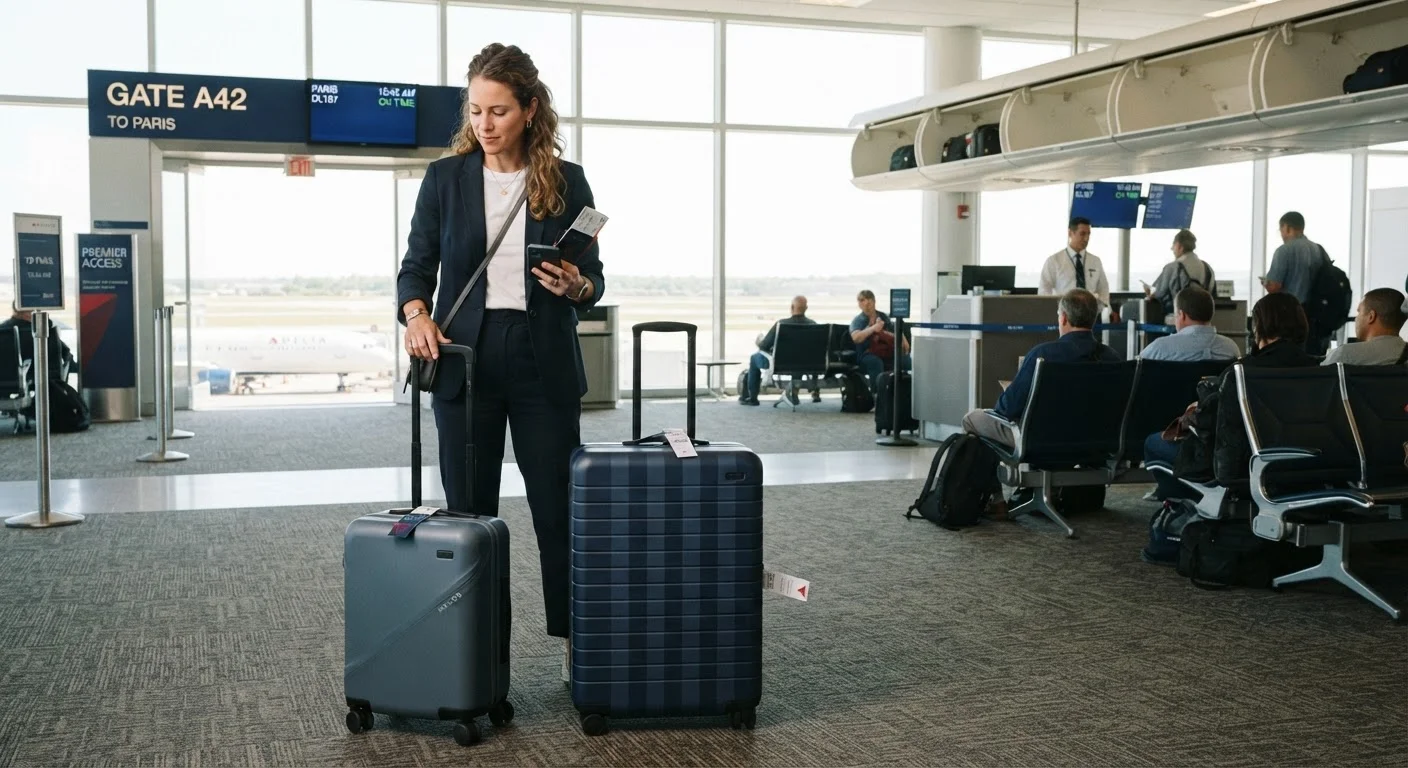
Photo: BridgeWish.com | Reliable Source Of Information editorial
Key Takeaways
- Trip length and destination type are the two biggest factors in the carry-on vs. checked bag decision.
- Checked bags make sense for trips over five days, beach stays, or adventure travel requiring gear.
- Carry-ons save time and fees but require stricter packing discipline and TSA liquid compliance.
- Airline size and weight limits vary — always verify before you pack.
- Many travelers can go carry-on only far more often than they expect with the right approach.
Why This Decision Is Worth Getting Right
The choice between a carry-on and a checked bag shapes your entire airport experience — from check-in time to baggage claim waits to how much you spend before you even board. Yet most travelers default to habit rather than strategy, either always checking a bag or stubbornly cramming too much into an overhead bin.
A smarter approach treats this as a trip-by-trip decision. Your trip planning process should include a deliberate luggage call, because what works for a four-day city break rarely works for a two-week beach-and-mountains itinerary. Here's how to think through it.
| Carry-On | Checked Bag | |
|---|---|---|
| Ideal trip length | 1–4 nights | 5+ nights |
| Checked bag fees | Avoided entirely | $30–$40+ each way (varies by airline) |
| Baggage claim wait | None | 15–30 minutes typical |
| Liquids/gels restriction | 3.4 oz max per container | No TSA size limit in hold |
| Packing volume | Limited — requires discipline | Generous — more flexibility |
| Risk of loss or delay | Low — stays with you | Higher — handled by airline |
| Best for destination type | Urban, single-hotel trips | Beach, ski, family, multi-climate |
When a Carry-On Is the Clear Winner
Carry-on travel shines on short, focused trips — think one to four nights in a single city, a business trip, or a long weekend. The advantages stack up fast: no checked bag fees (which can run $30–$40 each way on many domestic carriers), no waiting at baggage claim, and the freedom to move directly from gate to street.
Urban destinations particularly favor carry-on travelers. If you're moving between hotels, using public transit, or taking budget connecting flights, a compact bag is an asset. The carry-on only mindset also pushes most travelers to pack more intentionally — which usually means arriving with exactly what you need and nothing excess.
The main discipline required: TSA's liquids rules. Anything over 3.4 oz must be checked or left home. If you're unsure what that rule actually covers, common misconceptions around TSA liquids rules are worth reviewing before you zip up.
Pack a Personal Item Too
When a Checked Bag Actually Makes More Sense
Checked bags earn their keep when the trip demands more than a carry-on can reasonably hold — or when what you're packing simply can't fly in the cabin. Key scenarios:
- Trips over five nights, especially with varied weather or dress codes
- Beach or ski trips requiring bulky gear, sand-friendly footwear, or snow layers
- Family travel with young children, where the sheer volume of necessities often exceeds cabin limits
- International trips where you anticipate shopping or bringing back gifts
- Events like weddings or formal dinners where wrinkle-prone clothing needs careful packing
It's also worth knowing your bag type before committing. How luggage is constructed affects how it holds up in cargo holds — the trade-offs between soft-sided and hard-shell luggage matter more for checked bags than carry-ons, since checked bags take considerably more handling.
~1 in 170
Checked bags mishandled per flight
According to the U.S. Department of Transportation's Air Travel Consumer Reports, millions of bags are delayed, damaged, or lost each year across domestic carriers.
30–40 min
Average baggage claim wait time
Industry estimates suggest domestic travelers typically spend 20–40 minutes waiting at baggage claim, compared to zero for carry-on-only travelers.
The Variables That Should Drive Your Choice
Beyond trip length, several practical factors should inform your decision every time:
- Airline policies
- Carry-on size limits vary by carrier, and on budget airlines or regional jets, even standard carry-ons may be gate-checked. Always verify the specific airline's current size and weight rules before packing.
- Connections and layovers
- A tight connection becomes significantly more stressful when you're waiting for baggage. Carry-ons eliminate that risk entirely.
- Your destination's infrastructure
- Cobblestone streets, long walks between terminals, or frequent accommodation changes all favor lighter bags. Resorts with a single base? A checked bag is no burden.
- How you pack
- Techniques like rolling vs. folding clothes can significantly affect how much fits in a carry-on. For those curious about paring back further, the case for and against one-bag travel explores the ultimate minimalist approach.
For destination-specific packing needs, browsing destination and accommodation guidance can help you anticipate what a particular trip genuinely requires.
The content on this site is for informational purposes only and is not a substitute for professional advice. Always consult a qualified professional for guidance specific to your situation.