
The Carry-On Only Mindset: Rethinking What You Actually Need on Any Trip

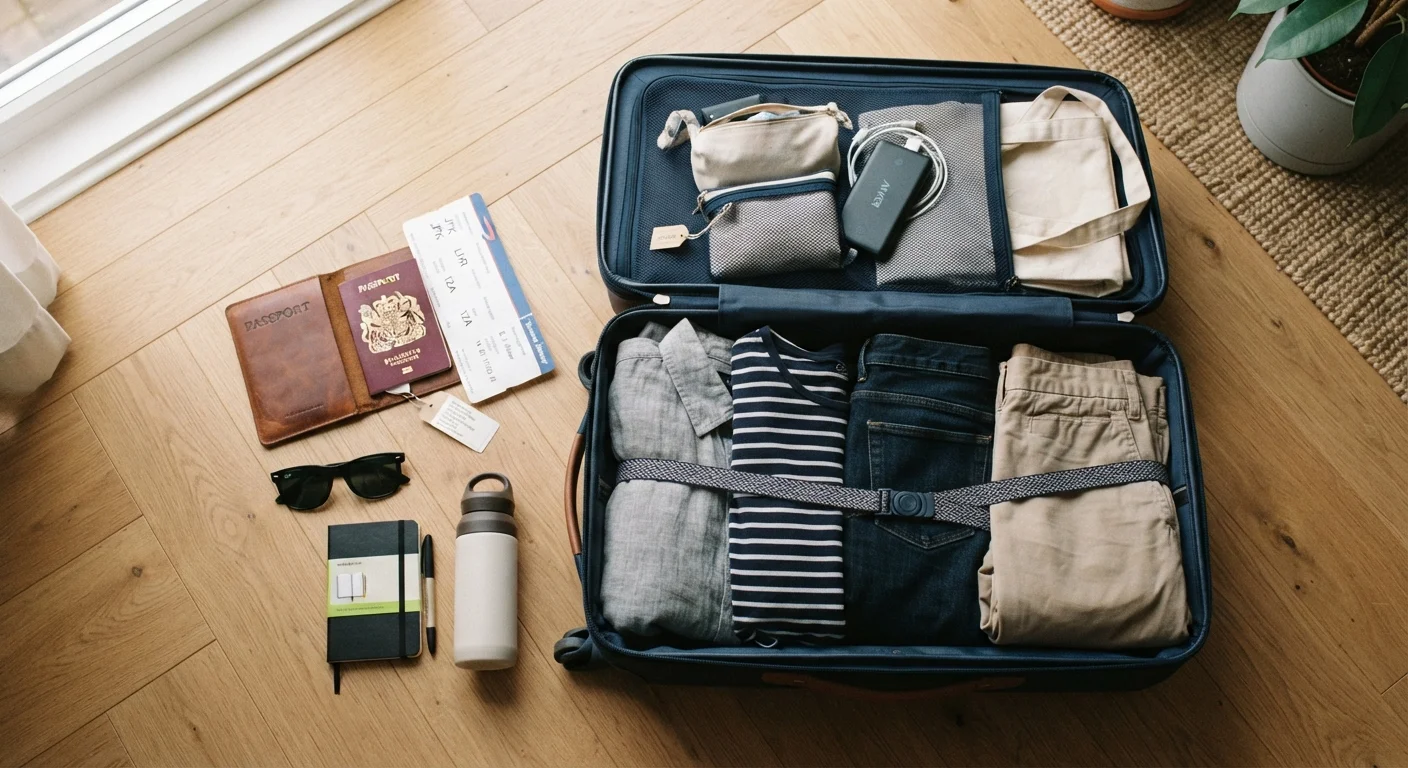
Photo: BridgeWish.com | Reliable Source Of Information editorial
Key Takeaways
- Carry-on-only travel is a mindset shift, not just a luggage downsize.
- Most travelers pack far more than they actually use on any trip.
- Versatile clothing choices and careful editing are the foundation of lighter packing.
- Skipping checked bags reduces stress, saves time, and adds flexibility.
- Longer trips don't necessarily require more gear — they require smarter choices.
Why Most Travelers Pack Too Much
There's a very human impulse behind overpacking: we imagine every possible situation and want to be ready for all of them. A formal dinner that might happen. Rain that could arrive. A cold snap that's theoretically possible. The result is a bag stuffed with contingencies for scenarios that, statistically, won't unfold.
Research on travel behavior consistently suggests that most travelers use only a portion of what they bring. The items left folded and untouched at the bottom of the suitcase aren't failures of foresight — they're the cost of packing for possibility rather than probability.
The carry-on-only mindset asks a different question: What will I actually need? Not what could be useful, but what's genuinely likely to get used. That mental reframe — from possibility to probability — is where lighter packing starts. For a broader look at the psychology behind this shift, the logic behind packing light offers a compelling case.
~50%
Items packed that travelers report never using
Travel industry surveys consistently find that roughly half of packed items go unused on most trips, particularly clothing and 'just in case' gear.
30+ min
Average time saved skipping baggage claim
Travelers who bypass checked luggage commonly report saving 30 minutes or more per flight at the destination airport, depending on the route and airline.
The Core Philosophy: Edit Before You Pack
Carry-on-only travel isn't really about the bag. It's about the editing process that happens before anything touches the bag. Experienced light packers typically follow a version of the same sequence: lay everything out, then cut it in half.
The discipline here is in recognizing that versatility beats volume. Five items that mix and match across ten outfits outperform ten single-use items every time. Neutral colors, layers, and fabrics that dry quickly are the practical tools of this philosophy — but the mindset behind them is what makes it sustainable.
This approach looks different from how most people think about packing, and how frequent travelers approach packing reveals how seasoned travelers have internalized exactly this kind of editing habit.
Try the Reverse Packing Test
What the Carry-On Mindset Actually Changes
Shifting to carry-on-only travel has practical ripple effects that go well beyond avoiding baggage fees. When you travel with less, you move faster and more freely. You never wait at baggage claim. You can hop between trains, buses, or taxis without wrestling oversized luggage through crowds. You can book last-minute itinerary changes without worrying about rerouting a checked bag.
There's also a subtler benefit: lighter travel tends to feel less stressful. The mental overhead of managing possessions shrinks when there are fewer of them. Many travelers who try carry-on-only for one trip report that they find it difficult to go back.
That said, carry-on-only isn't the right call for every journey. Some trips — especially those involving specialty equipment, formal occasions, or extended cold-weather destinations — genuinely benefit from checked luggage. The goal is thoughtful choice, not minimalism as ideology. Weighing carry-on vs. checked bag options can help you make that call with confidence.
Making It Work Across Different Trip Types
One of the most common objections to carry-on-only travel is trip length: surely a two-week trip requires more than a weekend bag? In practice, the relationship between trip duration and gear needed is far weaker than most people assume. Doing laundry — whether at a hotel, laundromat, or by hand — is the variable that unlocks carry-on travel for longer journeys.
For multi-week adventures, the strategies shift slightly but the core principle holds. Packing light for long trips explores exactly how to make carry-on-only work when you're away for weeks at a time, without sacrificing comfort or preparedness.
Planning your trip thoughtfully from the start — including where you'll do laundry, what climate you'll face, and what activities are genuinely on the itinerary — is what separates successful light packers from frustrated ones. Trip planning fundamentals can help you build that foundation before you even touch your bag.
“The traveler who packs light moves through the world differently — with less friction, more adaptability, and a clearer sense of what actually matters.”
— Travel Editorial Team, Editorial perspective on travel philosophy
Frequently Asked Questions
The content on this site is for informational purposes only and is not a substitute for professional advice. Always consult a qualified professional for guidance specific to your situation.