
Soft-Sided vs. Hard-Shell Luggage: Understanding the Real Trade-Offs

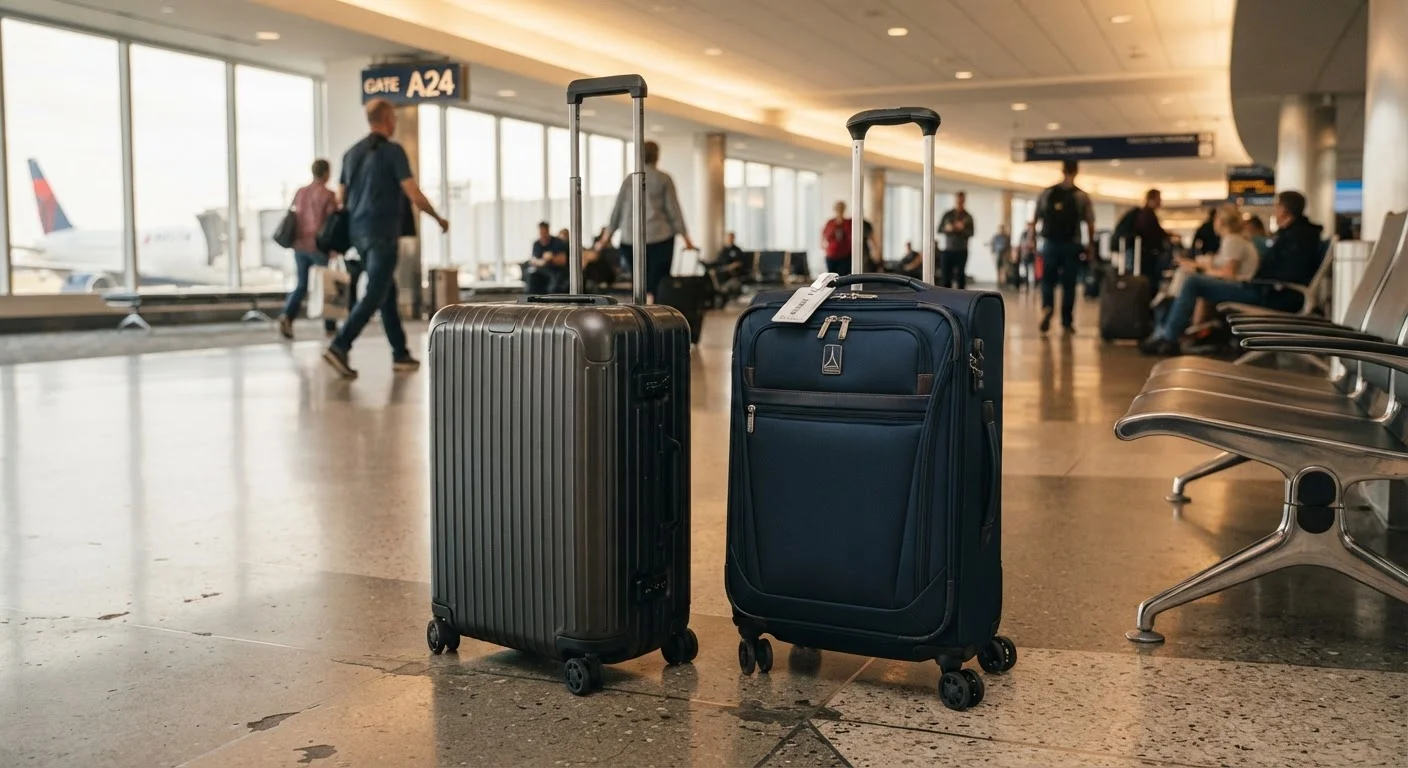
Photo: BridgeWish.com | Reliable Source Of Information editorial
Key Takeaways
- Soft-sided bags flex into overstuffed overhead compartments; hard shells cannot compress.
- Hard-shell cases offer significantly better protection for fragile or high-value contents.
- Soft bags often weigh less at baseline, giving checked-bag travelers more usable weight allowance.
- Hard shells resist water and weather better; soft fabrics can absorb moisture over time.
- Soft-sided luggage typically offers exterior pockets; most hard shells do not.
- Neither type is universally superior — your travel style and trip type should drive the choice.
What Sets These Two Luggage Types Apart
The core difference between soft-sided and hard-shell luggage isn't just about looks — it's about how each type handles stress, space, and the unpredictable realities of travel. Soft-sided bags are built from flexible fabrics like nylon or polyester, which means they bend, compress, and adapt. Hard shells are molded from rigid materials like polycarbonate or ABS plastic, creating a fixed, protective casing around your belongings.
That fundamental difference in construction ripples out into nearly every practical consideration: weight, durability, capacity, organization, and how your bag fares after a few trips through checked baggage. Neither design is objectively better — they simply perform differently depending on how you travel.
If you're still figuring out whether to check a bag at all, our carry-on vs. checked bag guide can help you think through that first.
| Criterion | Soft-Sided Luggage | Hard-Shell Luggage |
|---|---|---|
| Overhead bin flexibility | High — compresses to fit | Low — fixed shape |
| Impact protection (checked) | Moderate | Strong |
| Empty bag weight | Generally lighter | Generally heavier |
| Weather resistance | Limited without treatment | Strong |
| Exterior pockets | Common | Rare |
| Expandable capacity | Often available | Not available |
| Ease of cleaning | Moderate | Easy (wipe down) |
| Damage type when stressed | Tears, abrasion | Cracks, dents |
Where Soft-Sided Bags Have a Real Edge
Soft luggage earns its place in the frequent flyer's arsenal through adaptability. The most immediate advantage is overhead bin flexibility. A soft bag that's slightly overpacked can still be coaxed into a tight bin; a rigid shell offers no such compromise. For carry-on travelers on full flights, that flexibility is genuinely valuable.
Soft bags also tend to weigh less empty, which matters most for checked luggage with strict airline weight limits. Every ounce saved in the bag itself is an ounce available for what's inside. Many soft designs also include exterior zip pockets — handy for boarding passes, cables, or items you want to grab quickly without digging through a fully opened case.
The expandable zip feature found on many soft bags is another practical win. Adding a few extra inches of packing depth on the return trip — when you're hauling back gifts, extra clothes, or local finds — is something hard shells simply can't offer. For ideas on organizing the inside of either bag type, see our breakdown of packing cubes, compression bags, and folder inserts.
~1–2 lbs
Typical weight difference between bag types
Soft-sided carry-ons commonly weigh 1–2 pounds less than comparable hard-shell models, based on general product specifications across major luggage categories.
2–3 inches
Extra depth from expansion zippers
Many soft-sided bags with expansion zippers add roughly 2–3 inches of usable depth when fully unzipped, a meaningful buffer on return trips.
Where Hard Shells Outperform
If your bag gets checked, hard shells earn their reputation quickly. Rigid exteriors absorb and distribute impact forces that would deform or puncture fabric — useful when bags are stacked, dropped, or pressed under heavier items. Electronics, glass bottles, camera equipment, or anything breakable benefits from this structural protection.
Hard shells also win on weather resistance. Their smooth exteriors repel rain and resist water infiltration in a way that fabric cannot match without specialized treatment. This matters less in a covered jetway but becomes relevant during outdoor loading or when bags sit on wet tarmac.
Maintenance is simpler too: wipe down the exterior and you're done. Fabric bags can absorb odors, stains, and grime that are harder to fully remove. One trade-off to keep in mind — hard shells can crack under severe impact rather than tear, and cracks are generally not repairable the way a fabric rip might be patched.
TSA Locks and Hard-Shell Bags
Making the Choice That Fits Your Travel Style
The decision really comes down to three questions: Are you checking or carrying on? What are you packing? And where are you going? A weekend carry-on trip to a domestic city favors the soft bag's flexibility. A two-week international trip with checked luggage and fragile souvenirs to protect tips toward the hard shell.
Frequent business travelers who live out of a carry-on often swear by soft bags precisely because they can adapt to whatever overhead space remains. Adventure travelers or those visiting destinations with rough weather or long ground transfers often prefer hard shells for the peace of mind they provide for checked bags.
It's also worth remembering that your packing method matters as much as your bag type. Whether you roll or fold — and how tightly you pack — shapes how well either bag performs. Our rolling vs. folding guide unpacks that piece of the puzzle separately.
There's no single right answer — but understanding what each design actually does well means you can stop guessing and start packing with intention.
The content on this site is for informational purposes only and is not a substitute for professional advice. Always consult a qualified professional for guidance specific to your situation.