
Rolling vs. Folding: The Debate Every Traveler Has Had

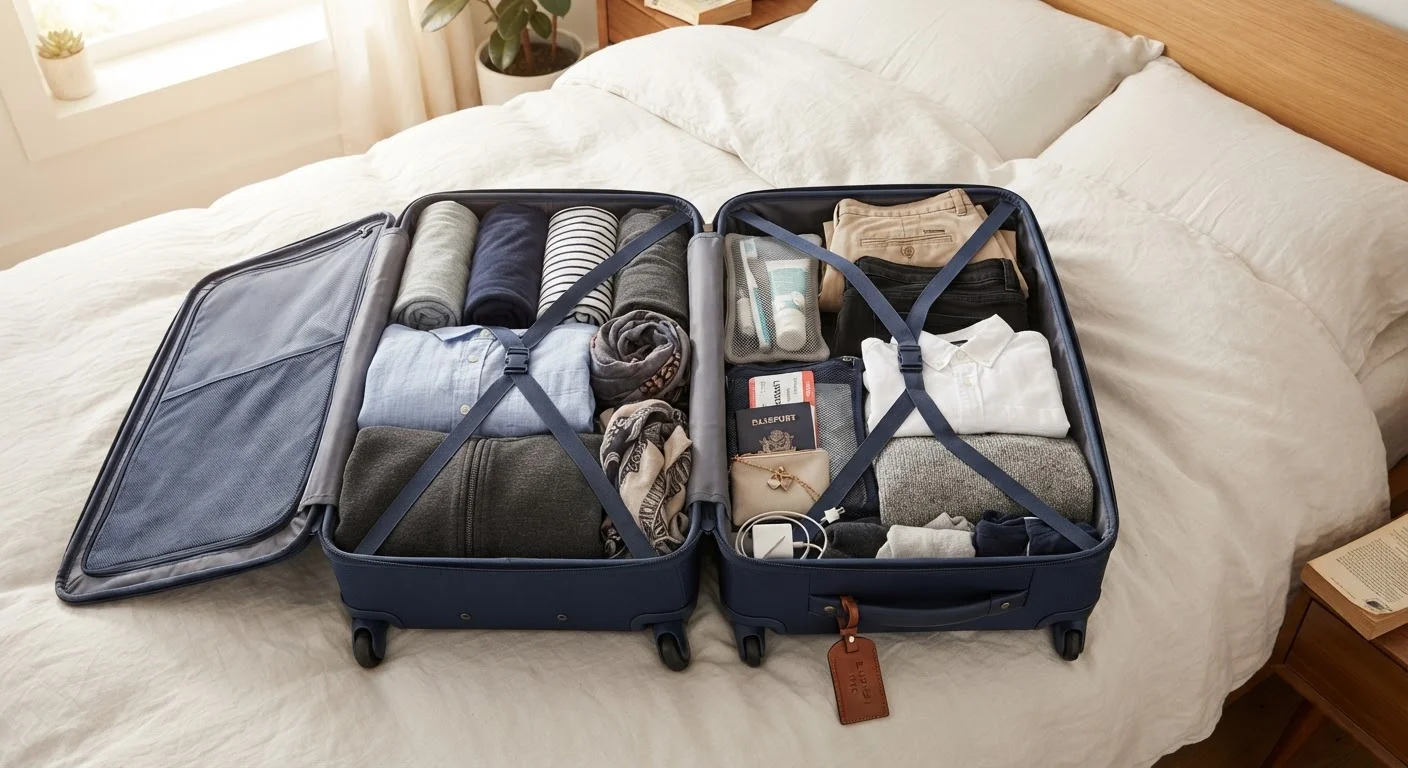
Photo: BridgeWish.com | Reliable Source Of Information editorial
Key Takeaways
- Rolling generally saves space and works well for casual, flexible fabrics like cotton and jersey.
- Folding is better for structured garments — dress shirts, blazers, and trousers crease less when flat-packed.
- Fabric type and trip purpose matter more than any universal rule about packing method.
- Many experienced travelers combine both techniques depending on what's going in the bag.
- Packing cubes can enhance either method by keeping rolled or folded clothes compressed and organized.
Why This Debate Actually Matters
Packing might seem like a minor logistical detail, but how you arrange clothes in a bag directly affects how much fits, how wrinkled things arrive, and how quickly you can find what you need at your destination. The rolling vs. folding question isn't trivial — it's one of the most practical decisions a traveler makes before any trip.
Neither method is universally superior. The right choice depends on your bag type, your wardrobe, and the nature of your trip. If you've ever stared into an overstuffed suitcase wondering why nothing fits, the answer might be as simple as rethinking how you're folding your T-shirts. For a broader look at how seasoned packers approach these decisions, see how frequent travelers think about packing differently.
| Criterion | Rolling | Folding |
|---|---|---|
| Space efficiency | High — fills gaps and corners | Moderate — stacks neatly but wastes edges |
| Wrinkle risk | Higher for structured fabrics | Lower for structured fabrics |
| Best fabric types | Cotton, jersey, knits, synthetics | Dress shirts, blazers, trousers, linen |
| Best bag type | Soft-sided, duffel, backpack | Hard-shell, rigid suitcase |
| Ease of access | Easy — see everything at once | Can require unpacking to reach bottom layers |
| Ideal trip type | Casual, beach, weekend, active | Business, formal events, longer stays |
The Case for Rolling
Rolling is the go-to technique for anyone trying to squeeze more into less space. By tightly rolling garments into cylinders, you eliminate the dead air that stacking creates — and cylindrical shapes fit snugly into the corners and edges of a suitcase that flat items can't reach.
Rolling works especially well for:
- Casual fabrics — T-shirts, jeans, leggings, knits, and athletic wear roll without significant wrinkling.
- Soft bags — Rolled items adapt to the shape of duffels, backpacks, and soft-sided luggage in ways that rigid stacks can't.
- Short trips — When you're living out of a carry-on, every cubic inch counts.
Rolling also makes it easier to see everything at a glance — no more digging through layers to find a buried T-shirt. Pair this technique with packing cubes to keep rolled items compressed and organized by category.
~30%
Potential space saved by rolling vs. flat folding
Packing efficiency tests cited by travel gear researchers suggest rolling soft garments can reduce volume by roughly 30% compared to flat stacking, though results vary by fabric and technique.
2-in-1
Methods most experienced travelers use
Travel surveys and packing guides consistently note that seasoned travelers combine rolling and folding depending on garment type rather than relying on a single method.
The Case for Folding
Folding has a clear advantage when it comes to structured garments. Dress shirts, button-downs, blazers, and trousers are made with shape in mind — and rolling them introduces tight creases along the fabric that can be stubborn to shake out, even after hanging.
Folding keeps these items flat, distributing any pressure evenly rather than concentrating it at roll points. Packed neatly and placed near the top of a hard-shell or rigid suitcase, folded clothes can arrive surprisingly wrinkle-free — especially when the bag isn't over-packed.
Folding also tends to work better when:
- You're using a hard-shell suitcase, which has a flat interior that suits flat items.
- You have fewer items and don't need to maximize every inch of space.
- You want clothes to come out presentation-ready with minimal effort at your destination.
Choosing the right suitcase for your method matters too — see soft-sided vs. hard-shell luggage trade-offs to understand how bag structure affects packing strategy.
What About Wrinkle-Resistant Fabrics?
When to Combine Both Methods
Most practical travelers don't choose sides — they use both techniques strategically. A common approach: roll casual layers like T-shirts, underwear, and activewear to fill the bottom and sides of a bag, then lay folded dress shirts or trousers flat on top where they're least disturbed during transit.
This hybrid method works especially well on longer trips where your wardrobe spans both casual days and more formal occasions. It's also worth considering whether your bag choice supports both approaches — how you decide between a carry-on and checked bag can influence which method makes more sense for a given trip.
One-bag travelers in particular benefit from combining both techniques, since the goal is to eliminate any wasted space. For more on that approach, the case for and against one-bag travel is worth a read before your next trip.
The content on this site is for informational purposes only and is not a substitute for professional advice. Always consult a qualified professional for guidance specific to your situation.