
The Case For and Against One-Bag Travel

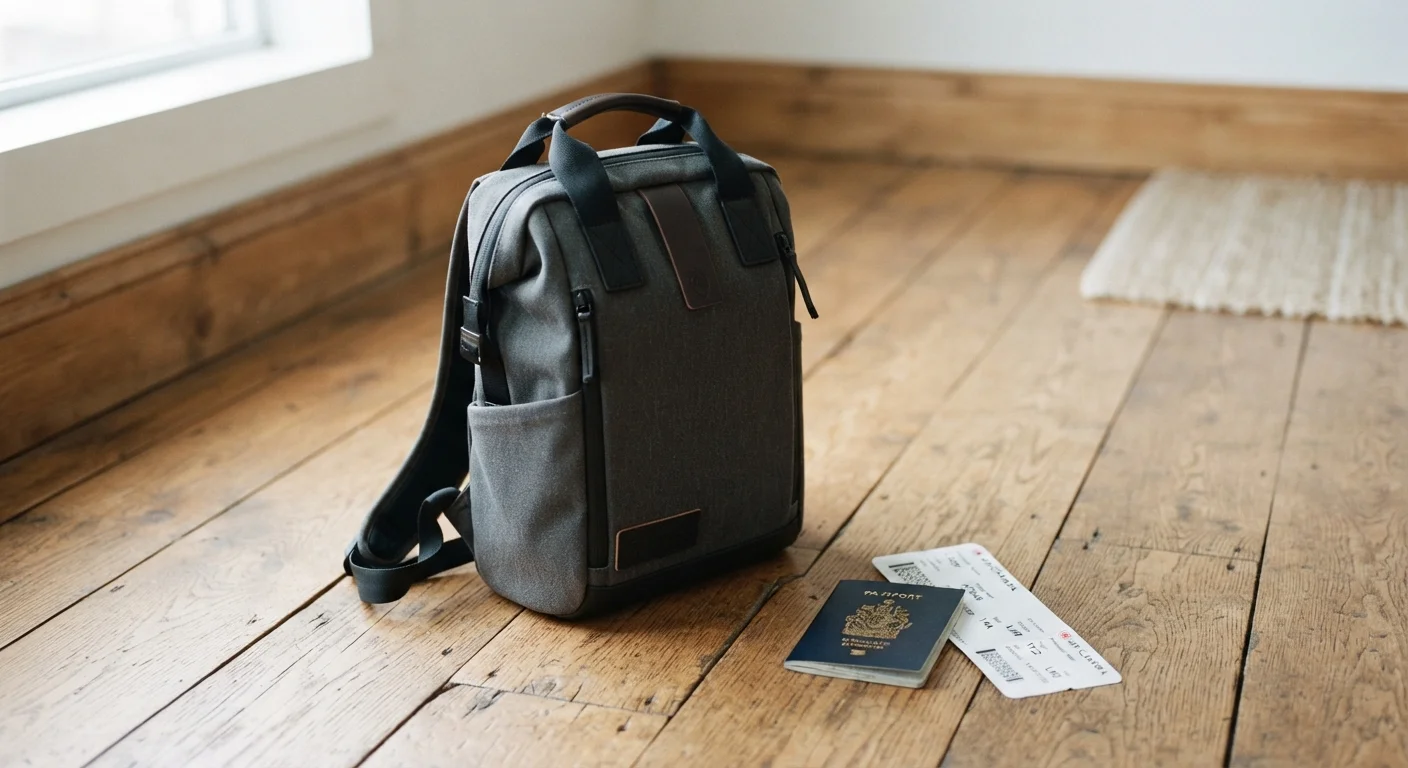
Photo: BridgeWish.com | Reliable Source Of Information editorial
Key Takeaways
- One-bag travel means fitting everything into a single carry-on-sized bag — no checked luggage.
- The method saves time and money but demands thoughtful packing and some genuine trade-offs.
- It works best for shorter trips, warm climates, and travelers comfortable with re-wearing and hand-washing.
- Longer trips, special-occasion travel, or extreme climates can push against one-bag limits.
- Smart packing techniques — like rolling clothes — make the approach more practical for most people.
No checked baggage fees or wait times
Airlines commonly charge $30–$60 or more per checked bag each way. One-bag travelers skip those costs entirely and walk straight from the gate to wherever they're going.
Eliminates the risk of lost luggage
If your bag never leaves your hands, it can't be misrouted or delayed. This alone is a significant stress reducer, especially on multi-leg international itineraries.
Greater mobility through airports and cities
A single carry-on-sized bag means navigating metro systems, cobblestone streets, and hostel staircases without the awkward dance of a rolling suitcase.
Faster transitions between destinations
Hopping between cities or countries is dramatically easier when you can check out, swing the bag onto your back, and head to the train station without a second thought.
Encourages more intentional packing habits
The constraint of one bag forces you to think carefully about what you actually use — a discipline that often reveals how much most travelers over-pack by default.
Limited wardrobe for longer or formal trips
A week's worth of casual clothing fits reasonably well in one bag; two weeks of business attire, formalwear, or mixed-occasion outfits is a much harder puzzle to solve.
Challenging for cold-weather or gear-heavy destinations
Heavy coats, ski gear, hiking boots, or bulky outdoor equipment can fill a bag before you've packed a single change of clothes. Extreme climates significantly complicate the one-bag equation.
Requires ongoing laundry on longer trips
To extend a limited wardrobe, you'll need to hand-wash clothes in sinks or find laundromats — a workable trade-off for some travelers, but an unwelcome chore for others.
Less practical when traveling with children
Kids require gear, spare clothing, entertainment, and supplies that expand packing needs considerably. One-bag travel is largely designed around the solo or couple traveler.
Can feel physically demanding with the wrong bag
Carrying even a modest bag on your back throughout a long travel day is more physically taxing than rolling a suitcase. Fit, weight distribution, and bag design matter enormously.
What One-Bag Travel Actually Means
One-bag travel is exactly what it sounds like: you bring a single bag — typically a backpack or compact carry-on — and nothing else. No checked luggage, no personal item bag, no roller suitcase waiting at baggage claim. Everything you need for the trip lives inside that one container.
The approach has grown from a niche traveler philosophy into a mainstream conversation, driven by rising airline baggage fees and a broader shift toward minimalist lifestyles. It pairs naturally with the carry-on-only mindset, though it takes that idea one step further by eliminating even a secondary bag.
Before weighing the pros and cons, it helps to understand what one-bag travel asks of you: a willingness to pack selectively, re-wear clothing, and occasionally do laundry on the road. Whether that sounds liberating or limiting depends a lot on the traveler.
The Case For One-Bag Travel
There are real, tangible advantages to stripping your packing down to a single bag — and they go well beyond just saving on baggage fees.
No checked baggage fees or wait times
Airlines commonly charge $30–$60 or more per checked bag each way. One-bag travelers skip those costs entirely and walk straight from the gate to wherever they're going.
Eliminates the risk of lost luggage
If your bag never leaves your hands, it can't be misrouted or delayed. This alone is a significant stress reducer, especially on multi-leg international itineraries.
Greater mobility through airports and cities
A single carry-on-sized bag means navigating metro systems, cobblestone streets, and hostel staircases without the awkward dance of a rolling suitcase.
Faster transitions between destinations
Hopping between cities or countries is dramatically easier when you can check out, swing the bag onto your back, and head to the train station without a second thought.
Encourages more intentional packing habits
The constraint of one bag forces you to think carefully about what you actually use — a discipline that often reveals how much most travelers over-pack by default.
How you pack that single bag matters just as much as what you put in it. Techniques like rolling clothes rather than folding can meaningfully expand usable space — something the rolling vs. folding debate explores in practical detail.
The Case Against One-Bag Travel
One-bag travel isn't a universal solution. For certain trips and certain travelers, the constraints are real and worth taking seriously before you commit to the approach.
Limited wardrobe for longer or formal trips
A week's worth of casual clothing fits reasonably well in one bag; two weeks of business attire, formalwear, or mixed-occasion outfits is a much harder puzzle to solve.
Challenging for cold-weather or gear-heavy destinations
Heavy coats, ski gear, hiking boots, or bulky outdoor equipment can fill a bag before you've packed a single change of clothes. Extreme climates significantly complicate the one-bag equation.
Requires ongoing laundry on longer trips
To extend a limited wardrobe, you'll need to hand-wash clothes in sinks or find laundromats — a workable trade-off for some travelers, but an unwelcome chore for others.
Less practical when traveling with children
Kids require gear, spare clothing, entertainment, and supplies that expand packing needs considerably. One-bag travel is largely designed around the solo or couple traveler.
Can feel physically demanding with the wrong bag
Carrying even a modest bag on your back throughout a long travel day is more physically taxing than rolling a suitcase. Fit, weight distribution, and bag design matter enormously.
One Bag vs. Carry-On Only: A Key Distinction
If you're still deciding between packing strategies altogether, the carry-on vs. checked bag framework can help you weigh the full range of options based on your specific trip details.
Making the Most of One Bag If You Try It
If you decide to give one-bag travel a shot, a few practical habits make a significant difference. Choosing versatile, quick-drying clothing is the foundation — pieces that can be layered, dressed up or down, and rinsed in a hotel sink without taking days to dry.
Packing cubes help organize a single bag so it doesn't become a chaotic heap by day three. Choosing gear that genuinely solves problems — rather than gear that just seems useful — keeps weight manageable. Our look at travel gear that earns its place is a good starting point for building that list.
Finally, do a practice pack before your trip. Put everything in the bag, lift it, and walk around your home for a few minutes. If it's uncomfortable, something needs to come out. That honest test before departure is worth more than any packing list.
25–30 lbs
Typical carry-on weight limit on many airlines
Weight limits vary by airline and route, so travelers should verify specific policies before packing — particularly on budget or international carriers.
~$60–$120
Average round-trip checked bag fee on major US carriers
Based on commonly published first-bag fees across major US airlines; fees vary by airline, fare class, and membership status.
Whether one bag is right for you ultimately comes down to the specific trip you're planning. For more on building a broader trip strategy, the trip planning hub covers the full picture from booking to packing.
The content on this site is for informational purposes only and is not a substitute for professional advice. Always consult a qualified professional for guidance specific to your situation.