
Understanding Your Vehicle Registration, Title, and Lien: A Plain-Language Reference

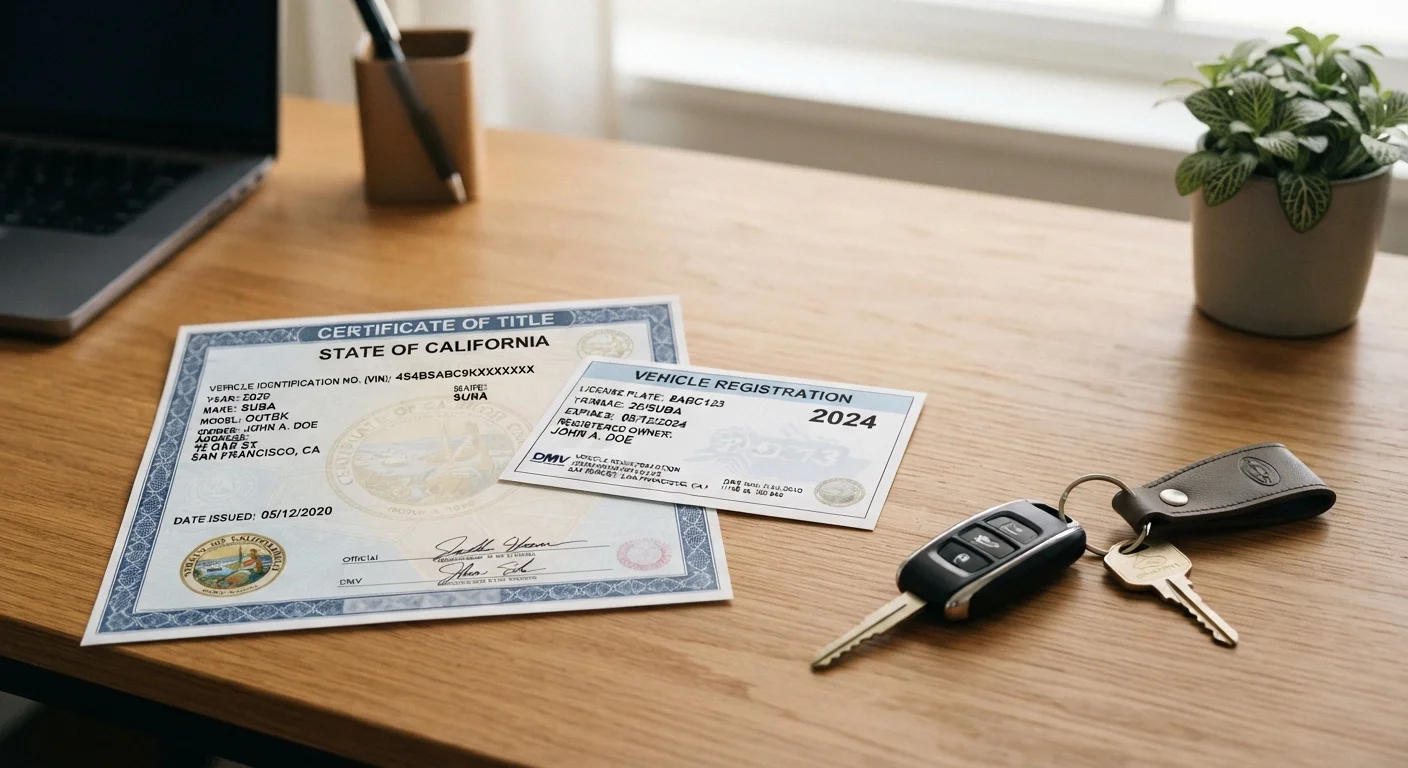
Photo: BridgeWish.com | Reliable Source Of Information editorial
What Each Document Actually Is
When you own a vehicle in the United States, three distinct documents define your legal relationship with that car: the title, the registration, and - if you financed the purchase - a lien. Understanding the difference between them prevents costly surprises when buying, selling, or transferring a vehicle.
| Who issues vehicle titles | State DMV or equivalent agency |
| Registration renewal frequency | Typically annual (varies by state) |
| Lienholder listed on title | Yes - until loan is fully repaid |
| Document proving legal ownership | Certificate of Title |
| Document required to drive legally | Current registration + license plate |
| Lien release issued by | The lender, after full loan payoff |
The Certificate of Title
A certificate of title is the legal proof of ownership for a motor vehicle. Issued by your state's department of motor vehicles (or equivalent agency), it records the owner's name, the vehicle identification number (VIN), make, model, year, and odometer reading at time of transfer. Whoever holds a clean title - meaning no recorded liens - is recognized as the legal owner. When you sell or donate the vehicle, you sign (endorse) the back of the title to transfer ownership to the new party.
Vehicle Registration
Registration is a separate, annual administrative requirement. It proves that a specific vehicle is authorized to operate on public roads in your state. Your registration certificate and license plate are tied to the car and to you as the registered owner - but registration alone does not prove ownership the way a title does. Most states require proof of insurance and payment of registration fees before issuing or renewing registration. See Car Insurance 101 for a breakdown of what coverage types registration-linked requirements typically demand.
What a Lien Is
A lien is a legal claim against the vehicle held by a lender - typically a bank, credit union, or finance company - until a loan is fully repaid. When you finance a vehicle purchase, the lender is listed as the lienholder on the title. This means you cannot legally sell or transfer the title without the lender's consent and, ultimately, without satisfying the outstanding debt. Once the loan is paid off, the lienholder releases the lien and you receive a clean title. For more on how auto financing works, see Auto Loans Explained.
Practical Situations Where These Documents Matter
Knowing the difference between title, registration, and lien becomes critical in several real-world scenarios.
Certificate of Title
A state-issued legal document identifying the owner of a motor vehicle. It records the VIN, owner's name, and any lienholder. The title must be transferred when ownership changes.
Vehicle Registration
An annual state authorization permitting a specific vehicle to operate on public roads. It does not prove ownership but is required to drive legally and is typically tied to a valid insurance policy.
Lien
A lender's legal claim against a vehicle used as collateral for a loan. The lien is recorded on the title and must be released by the lender before the owner can transfer a clean title.
Lienholder
The financial institution or individual holding a lien on a vehicle - commonly a bank, credit union, or auto finance company - until the underlying loan is satisfied.
Lien Release
A document provided by the lender confirming that a loan has been paid in full and the lien on the vehicle has been removed, allowing the owner to hold a clear title.
Title Brand
A permanent notation added to a vehicle's title by the state indicating a significant history event, such as salvage, flood damage, or odometer fraud. Brands follow the vehicle through all future ownership.
VIN (Vehicle Identification Number)
A unique 17-character code assigned to every motor vehicle at the point of manufacture. It appears on the title, registration, dashboard, and door jamb, and is used to track the vehicle's history.
Buying a Used Vehicle
Before purchasing any used car, verify that the seller's name matches the name on the title - discrepancies are a red flag. Check whether a lien is listed. A title with an active lienholder means the seller may owe money on the car, and purchasing it without confirming the lien is discharged can leave you responsible for someone else's debt or, in serious cases, subject to repossession. A vehicle history report can surface lien records, title brands (such as salvage or flood), and ownership history before you commit.
Title Brands: When a Title Carries a Warning
States apply specific brands - permanent notations - to titles when a vehicle has had significant damage or legal issues. Common brands include salvage (declared a total loss by an insurer), rebuilt/reconstructed (salvage vehicle repaired and reinspected), flood, and odometer rollback. A branded title typically affects insurability, resale value, and in some states, the ability to register the vehicle at all. Always ask to see the physical title - not just a photocopy - before completing a private sale.
Selling or Transferring Your Vehicle
To transfer a title properly, both parties typically sign the title document, the buyer submits it to their state DMV with applicable fees and taxes, and a new title is issued in the buyer's name. Failing to notify your state that you've sold the vehicle can leave you liable for parking tickets or incidents that occur after the sale. Some states require a bill of sale in addition to the signed title.
For a broader picture of what ongoing vehicle ownership involves - beyond paperwork - see Car Ownership for Beginners.
Lost Your Title? Here's What To Do
The content on this site is for informational purposes only and is not a substitute for professional advice. Always consult a qualified professional for guidance specific to your situation.