
Brake Wear: What the Sounds and Sensations Are Telling You

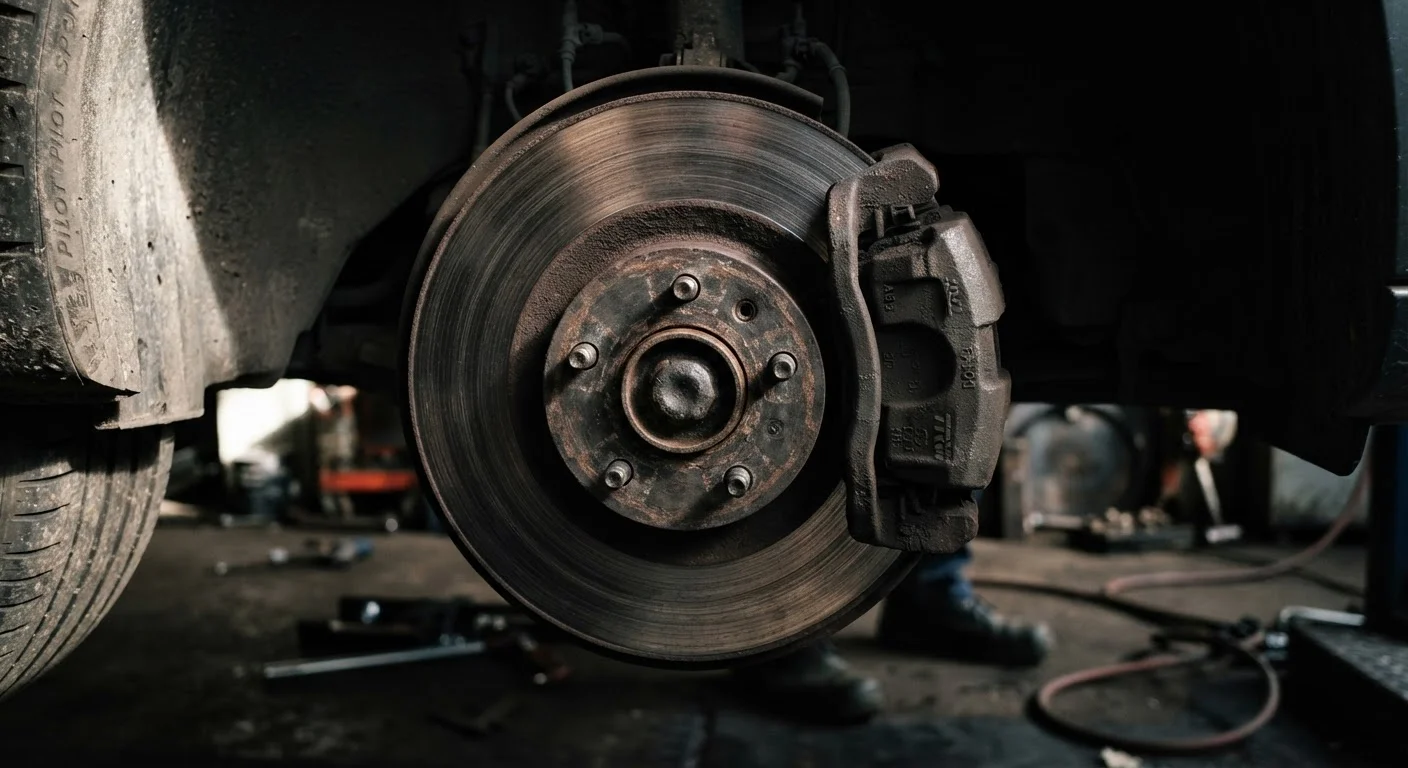
Photo: BridgeWish.com | Reliable Source Of Information editorial
Key Takeaways
- A high-pitched squeal is often a built-in wear indicator telling you pads are nearly spent.
- Grinding sounds typically mean metal-on-metal contact - an urgent situation requiring immediate attention.
- A pulsing or vibrating brake pedal usually points to warped rotors, not pad wear alone.
- Pulling to one side during braking can indicate uneven pad wear or a stuck caliper.
- Most brake pads should be inspected every 12,000 miles and replaced between 25,000-70,000 miles depending on driving habits.
- Ignoring brake symptoms can turn an inexpensive pad replacement into a costly rotor or caliper repair.
The Language Your Brakes Speak
Your brakes rarely fail without warning. Long before stopping power deteriorates, they communicate through sound and physical feedback - squeals, grinds, vibrations, and pulling. The challenge is knowing what each symptom means rather than dismissing it as a quirk.
Brake systems rely on friction: pads clamp onto spinning rotors to convert kinetic energy into heat, slowing the vehicle. As pads wear thin and rotors degrade, that process becomes less reliable and the warnings become harder to ignore. Understanding the signals is the first step toward keeping your vehicle safe and avoiding a minor repair bill turning into a major one.
For a broader overview of vehicle upkeep, including brake system basics, see our complete car ownership and maintenance guide.
Check Pads During Every Tire Rotation
Decoding Common Brake Sounds
Squealing or Squeaking
A high-pitched squeal during braking is the most common brake warning and is often intentional. Most brake pads contain a small metal wear indicator tab that contacts the rotor when the friction material wears to a critical level, producing a distinctive squeal. Think of it as a built-in alarm.
Not every squeal signals danger immediately - light surface rust after rain or a cold-morning squeak that disappears quickly is usually harmless. But a consistent squeal on each brake application means it's time to have the pads inspected.
Grinding or Growling
Grinding is a more urgent sound. It typically indicates that the pad's friction material has worn away entirely, leaving the metal backing plate in direct contact with the rotor. This metal-on-metal contact accelerates rotor damage rapidly. A groaning or growling that happens even when you're not braking can also point to a wheel bearing issue - a distinction a mechanic can make quickly.
Clicking or Rattling
A clicking sound when you press or release the brake pedal may indicate a loose brake pad or a missing anti-rattle clip. While less dramatic than grinding, loose hardware can accelerate uneven wear and affect braking consistency.
25,000-70,000 mi
Typical brake pad lifespan range
The National Highway Traffic Safety Administration notes that brake pad life varies widely based on driving environment, vehicle type, and braking habits.
~3mm
Minimum safe brake pad thickness
Many automotive technicians recommend replacing pads at or before 3mm of remaining friction material to avoid rotor damage and maintain reliable stopping distance.
22%
Of vehicle crashes involving brake-related issues
A NHTSA large-scale study of pre-crash factors found brake problems were among the most frequently cited vehicle-related contributing factors in crashes.
Reading Physical Sensations
Pedal Pulsation or Vibration
If the brake pedal pulses underfoot during a normal stop - not during ABS activation on slippery surfaces - the rotors are likely warped. Rotors can distort from intense heat cycles, aggressive braking, or improperly torqued lug nuts. The uneven surface creates a rhythmic skip as the pad rides over high and low spots.
Pulling to One Side
A vehicle that drifts left or right during braking suggests uneven braking force. Common culprits include a stuck caliper (which keeps one pad in constant contact with the rotor), uneven pad wear between sides, or a collapsed brake hose restricting fluid flow to one caliper. Pulling can also reflect tire pressure imbalances, so it's worth cross-referencing with our tire pressure and wear guide.
Spongy or Soft Pedal
A pedal that sinks closer to the floor than usual, or feels spongy rather than firm, often points to air in the brake lines or deteriorating brake fluid. Brake fluid absorbs moisture over time, which lowers its boiling point and compromises hydraulic pressure. This is a safety-critical issue requiring prompt professional attention.
ABS Activation Feels Different
When to Act - and What Happens If You Don't
Brake symptoms follow a predictable progression: squealing pads ignored long enough become grinding metal contact, which scores the rotor surface, which can eventually compromise the caliper. Each stage of neglect multiplies repair cost. A pad replacement is typically far less expensive than a combined pad, rotor, and caliper service.
A dashboard brake warning light - a red or amber indicator shaped like an exclamation point in a circle or the word BRAKE - adds urgency to any symptom. Our dashboard warning lights guide explains exactly what each symbol means and how quickly you should respond.
As a general rule: if you notice any persistent sound or sensation change during braking, schedule an inspection within a week. If you hear grinding or experience a soft pedal, treat it as urgent and avoid extended driving until a qualified mechanic evaluates the system.
This article is for general informational purposes only. Always consult a qualified automotive professional for diagnosis, repair decisions, or any safety-critical vehicle concern.
Frequently Asked Questions
The content on this site is for informational purposes only and is not a substitute for professional advice. Always consult a qualified professional for guidance specific to your situation.