
The Warning Signs in Your Dashboard Lights, One by One

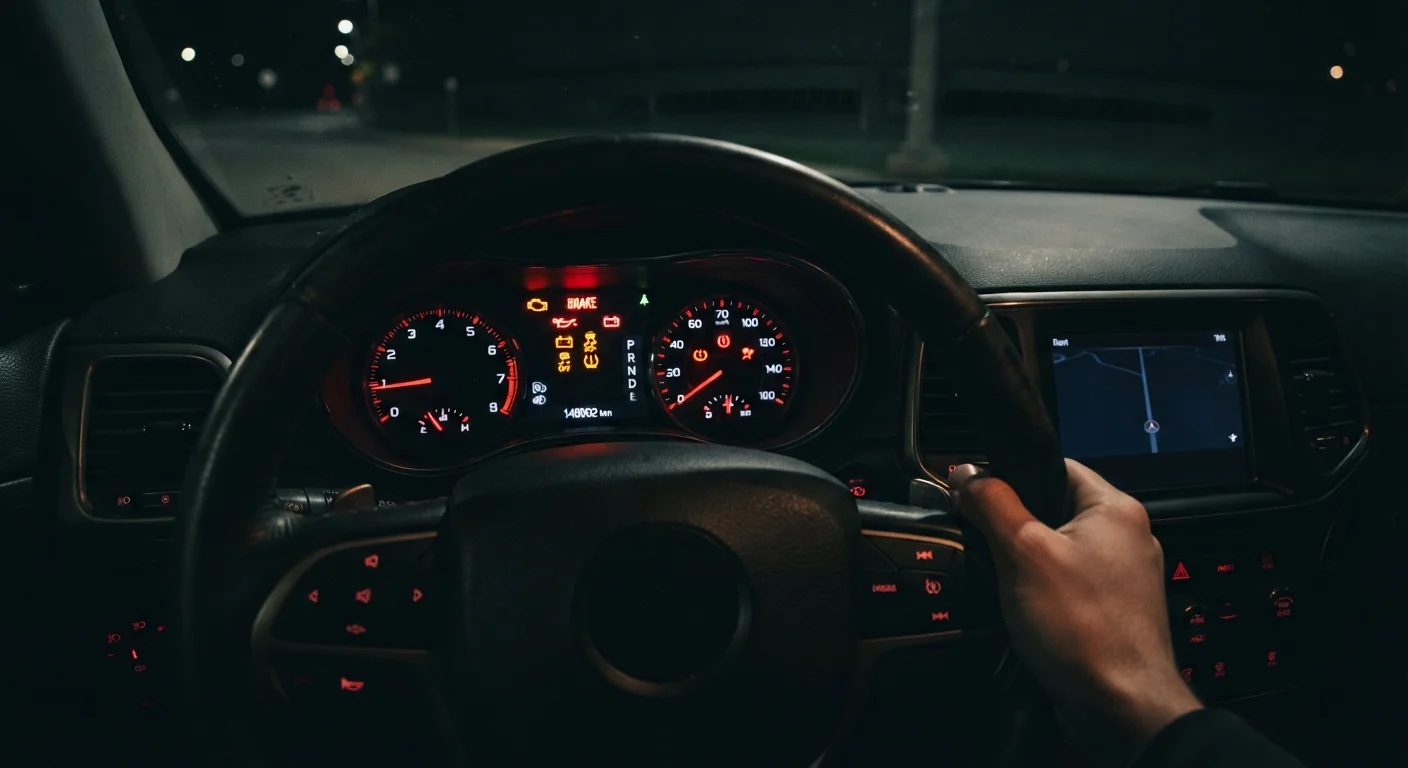
Photo: BridgeWish.com | Reliable Source Of Information editorial
How to Read Dashboard Lights Before You Diagnose Them
Every dashboard warning light communicates two things simultaneously: what system is affected and how urgently you need to act. Color is the fastest signal. Red means stop or take immediate action. Amber or yellow means schedule service soon. Green or blue simply confirms a system is active - your high beams or turn signal, for example.
A light that flashes, rather than glows steadily, generally indicates a more active or serious fault. A flashing check engine light, for instance, typically signals a misfire severe enough to damage the catalytic converter - a meaningful escalation from a steady glow. Always note whether a light is solid or blinking before deciding how to respond.
| Color coding: Red lights | Immediate attention required - stop safely as soon as possible (General automotive safety standard) |
| Color coding: Amber/yellow lights | Caution - service needed soon, but generally not an emergency (General automotive safety standard) |
| Color coding: Green/blue lights | Informational - system is active or engaged (General automotive safety standard) |
| TPMS required since | 2008, mandated on all new US passenger vehicles (NHTSA TPMS rule, FMVSS 138) |
| Check engine light causes | Hundreds of possible fault codes - requires OBD-II scanner to diagnose (SAE International / EPA OBD-II standards) |
| Oil pressure warning | Stop driving immediately - continued operation can destroy the engine (Automotive industry maintenance consensus) |
For a broader look at warning symbols with visual references, see our dashboard warning lights quick-reference for US drivers.
The Lights That Demand Immediate Action
Certain red warning lights signal conditions that can cause rapid, irreversible damage or create immediate safety hazards. These are the ones that warrant pulling over safely as soon as traffic allows.
- Oil Pressure Warning (red oil can): This is among the most critical lights on any dashboard. Low oil pressure means engine components are not being adequately lubricated. Continuing to drive can seize the engine within minutes. Stop the vehicle safely, shut off the engine, and call for assistance.
- Engine Temperature Warning (thermometer in liquid): Signals the engine is overheating. Turn off the air conditioning, pull over, and let the engine cool before checking the coolant level. Do not remove the radiator cap while the engine is hot.
- Battery / Charging System (battery icon): Indicates the alternator may not be charging the battery. The vehicle may continue running briefly on battery power alone, but systems will begin to fail. Drive directly to a service location if possible, or stop and call for help.
- Brake System Warning (circle with exclamation or "BRAKE"): If the parking brake is not engaged, this light may point to low brake fluid or a hydraulic fault. Reduce speed gradually and have the system inspected immediately. For more on what brake symptoms mean, see our brake wear guide.
Amber Lights: Schedule Service Soon
Amber or yellow lights indicate developing issues that are not necessarily dangerous right now but will become costly - or unsafe - if ignored.
Your Owner's Manual Is the Definitive Reference
- Check Engine / Malfunction Indicator Lamp (engine outline): This light can represent hundreds of different fault codes. A steady glow warrants a diagnostic scan at your earliest convenience. A flashing light requires prompt attention. Learn more in our article on why ignoring your check engine light is a gamble.
- TPMS (tire with exclamation point): One or more tires is significantly underinflated - typically 25% or more below the recommended PSI. Check all four tires and inflate to the pressure listed on the driver's door jamb sticker, not the maximum on the tire sidewall. Our tire pressure and sidewall numbers guide explains those markings in detail.
- ABS Warning ("ABS" in a circle): The anti-lock braking system has a fault. Normal braking still functions, but ABS will not activate during emergency stops, increasing stopping distance. Have it inspected promptly.
- Traction Control / Stability Control (car with skid lines): If illuminated continuously - not just briefly during a slippery start - the stability system has a fault and may be disabled. This is especially important to address before driving in adverse conditions.
- Low Fuel (fuel pump icon): Reserve levels vary by vehicle, but plan to refuel within the next 30-50 miles. Routinely running the tank very low can stress the fuel pump, which uses fuel for cooling.
OBD-II
On-Board Diagnostics II - a standardized system built into vehicles since 1996 that monitors engine and emissions performance and stores fault codes a mechanic can read with a scanner.
Malfunction Indicator Lamp (MIL)
The technical name for the check engine light. It illuminates when the OBD-II system detects a fault in the engine, transmission, or emissions system.
ABS
Anti-lock Braking System - a safety feature that prevents wheel lock-up during hard braking, helping drivers maintain steering control.
TPMS
Tire Pressure Monitoring System - sensors inside each wheel that alert the driver when one or more tires drops significantly below the recommended inflation pressure.
EPS
Electric Power Steering - a system that uses an electric motor rather than hydraulic fluid to assist steering. A fault in EPS can noticeably increase steering effort.
Battery Voltage Warning
A light indicating the vehicle's charging system is not maintaining adequate voltage, which could stem from a failing alternator, weak battery, or a loose connection.
What to Do When a Light Comes On
The single most important step is to not ignore the light and hope it resets. Most warning lights stay on because the vehicle's computer has stored a fault code. Even if a light clears on its own, the underlying code often remains retrievable and can point to an intermittent problem worth investigating.
A basic OBD-II scanner - available at most auto parts stores - can pull fault codes at no charge, giving you a starting point before speaking with a mechanic. This is general diagnostic information; interpreting and repairing the underlying fault is work for a qualified technician.
Being an informed driver extends beyond the dashboard. Our safe driving hub covers essential topics from road markings to hazard awareness. You may also find our guide on traffic signs and road markings drivers frequently overlook a useful complement to dashboard knowledge.
1 in 4
Vehicles driven with an active check engine light
CarMD's annual Vehicle Health Index has consistently found a significant share of US vehicles on the road with unaddressed MIL faults.
$150-$1,200+
Typical repair cost range for ignored warning light faults
Costs vary widely depending on the underlying fault; early diagnosis generally reduces total repair expense.
25% of vehicles
Have at least one tire significantly underinflated
NHTSA estimates suggest underinflation is among the most common - and most preventable - vehicle safety conditions.
The content on this site is for informational purposes only and is not a substitute for professional advice. Always consult a qualified professional for guidance specific to your situation.