
Sharing the Road with Cyclists, Pedestrians, and Motorcyclists

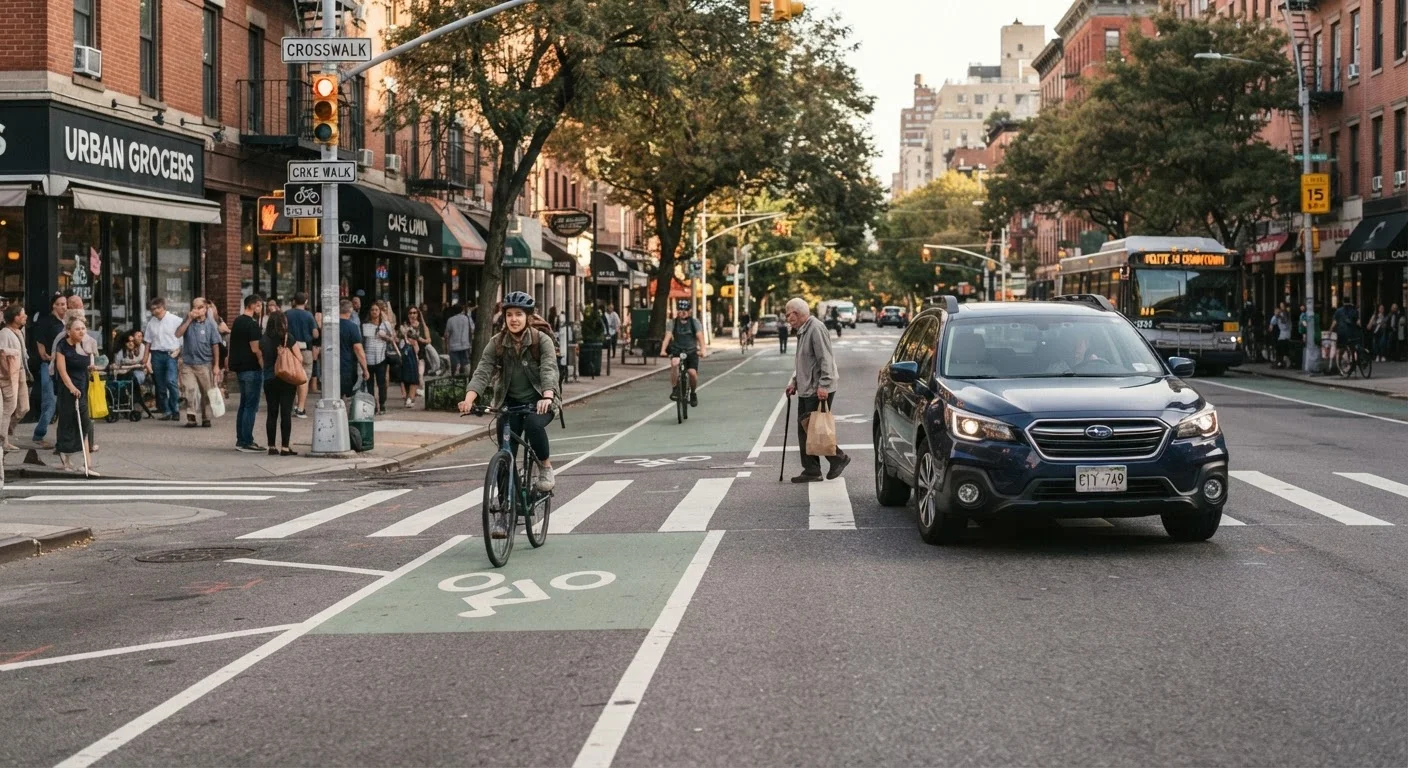
Photo: BridgeWish.com | Reliable Source Of Information editorial
Key Takeaways
- Cyclists, pedestrians, and motorcyclists face significantly higher injury risk in crashes than vehicle occupants.
- Many collisions involving vulnerable road users result from driver inattention, not deliberate recklessness.
- Specific laws govern passing distance, crosswalk yielding, and lane rights for non-vehicle road users.
- Developing consistent scanning habits and mirror checks dramatically reduces the chance of missing someone.
- Motorcyclists are especially vulnerable to being overlooked due to their smaller visual profile on the road.
Why Vulnerable Road Users Demand Extra Driver Attention
Cyclists, pedestrians, and motorcyclists are considered vulnerable road users - a term used in traffic safety to describe those who lack the structural protection of an enclosed vehicle. When a crash occurs, the consequences for them are almost always far more severe than for the driver of a passenger car.
The core challenge isn't that most drivers intend harm - it's that drivers aren't actively looking for road users who behave differently from other cars. Cyclists may move unpredictably to avoid potholes. Pedestrians can step off a curb without warning. Motorcyclists can be hidden in a vehicle's blind spot. Developing the right awareness habits is what separates reactive driving from genuinely safe driving.
For a deeper understanding of how skilled drivers read traffic before hazards develop, see our guide to situational awareness on the road.
7,500+
Pedestrian fatalities on U.S. roads annually
According to the National Highway Traffic Safety Administration (NHTSA), pedestrian deaths have trended upward over the past decade, representing a growing share of overall traffic fatalities.
~27x
Higher fatality rate for motorcyclists per mile traveled
NHTSA data consistently shows motorcyclists are killed in traffic crashes at roughly 27 times the rate of passenger car occupants per vehicle mile traveled.
Best Practices for Sharing the Road
The following practices reflect current traffic safety guidance and legal requirements across most U.S. jurisdictions. Always consult your state's driver handbook for laws specific to your area.
Give cyclists at least three feet of clearance when passing - more on higher-speed roads.
Always yield to pedestrians in marked and unmarked crosswalks, even when you have a green light.
Check your mirrors and blind spots specifically for motorcyclists before every lane change.
Never drive in a marked bike lane, even briefly, except where legally permitted for turns.
Open car doors using the 'Dutch Reach' method to avoid dooring cyclists.
Reduce speed and increase following distance in conditions that reduce visibility for all road users.
Quick Actions You Can Take Today
Good road-sharing habits don't require a complete driving overhaul - small, consistent changes make a measurable difference in safety outcomes for everyone around you.
Scan Further Ahead Than You Think Necessary
Understanding how right-of-way rules apply at crosswalks and intersections is closely connected to road-sharing safety. Our article on navigating intersections safely covers the rules and situational awareness skills that matter most at these high-risk locations. You may also find it useful to review commonly misunderstood traffic laws, many of which directly affect how drivers interact with cyclists and pedestrians.
The content on this site is for informational purposes only and is not a substitute for professional advice. Always consult a qualified professional for guidance specific to your situation.