
Kitchen Pantry Staples: What to Keep on Hand for Any Meal

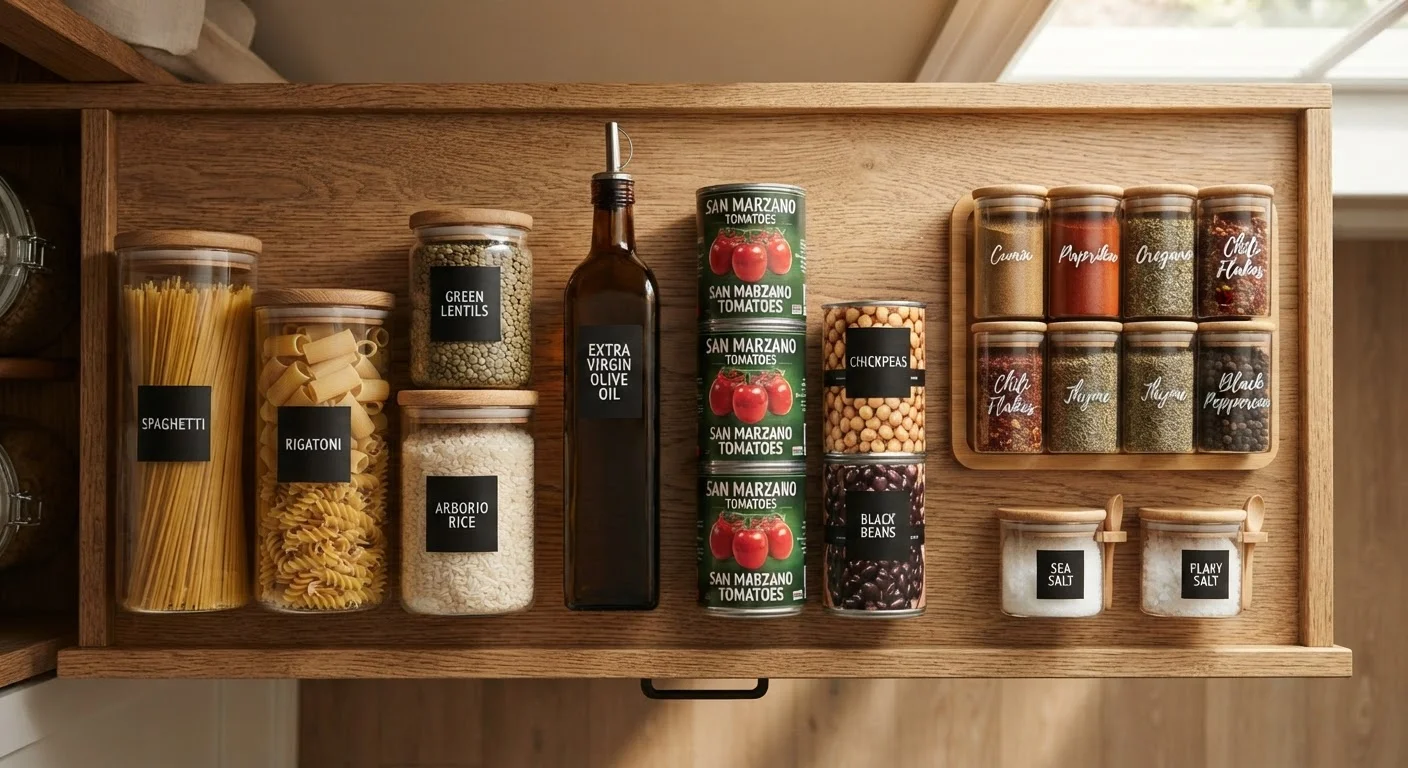
Photo: BridgeWish.com | Reliable Source Of Information editorial
Why a Stocked Pantry Changes Everything
The single biggest obstacle to cooking at home on a weeknight isn't skill — it's the sense that there's "nothing to make." A well-organized pantry eliminates that feeling. When dry goods, canned ingredients, and core condiments are already on hand, you need far less from the grocery store to put a complete meal on the table.
This guide covers the foundational categories every home cook benefits from keeping stocked, and explains what role each plays so you can make informed choices. For a deeper dive into fresh and frozen additions that round out a balanced kitchen, see our practical kitchen stocking checklist.
| Shelf life of dried pasta | Up to 2 years (unopened) (USDA FoodKeeper App) |
| Shelf life of canned goods | 2–5 years for most items (USDA Food Safety and Inspection Service) |
| Recommended spice replacement window | 1–2 years for ground spices (General culinary guidance) |
| Core pantry categories | Grains, canned goods, oils, spices, baking basics |
| Minimum oils to stock | 1 neutral cooking oil + 1 finishing oil |
The Core Pantry Categories
Grains and Starches
Dried pasta, white and brown rice, rolled oats, and dried lentils form the backbone of countless meals. They store for months, cook reliably, and stretch proteins and vegetables into satisfying portions. Whole grains like brown rice and whole-wheat pasta also contribute fiber, which supports digestive health — though the best mix depends on your household's preferences and any dietary needs.
Canned and Jarred Goods
Canned tomatoes (whole, diced, and crushed), canned beans (chickpeas, black beans, cannellini), coconut milk, and low-sodium broth are some of the most versatile items in any pantry. A can of diced tomatoes and a can of white beans, for example, can become a simple stew in under 30 minutes. Look for BPA-free cans when available, and check sodium levels if that matters for your household.
Oils, Vinegars, and Condiments
A neutral cooking oil (such as canola or grapeseed) and an olive oil for finishing cover most needs. Add a bottle of red wine vinegar or apple cider vinegar for brightness, soy sauce or tamari for umami depth, and a jar of Dijon mustard for emulsifying dressings. These are flavor-building tools that cost little and last a long time.
Spices and Dried Herbs
Ground cumin, smoked paprika, dried oregano, garlic powder, red pepper flakes, and cinnamon form a starting set that spans Mediterranean, Mexican, and South Asian flavor profiles. Spices lose potency over time — a general guideline is to replace ground spices after about one to two years. Store them away from heat and direct light.
Pantry staple
An ingredient that stores at room temperature for an extended period and forms a reliable base for many different meals. Examples include dried pasta, canned beans, and cooking oils.
Umami
A savory, deeply satisfying flavor often described as the fifth basic taste, alongside sweet, sour, salty, and bitter. Ingredients like soy sauce, tomatoes, and aged cheese are rich in umami compounds.
Roux
A cooked mixture of equal parts fat (usually butter) and flour used as a thickening agent for sauces, soups, and gravies.
Mise en place
A French culinary term meaning 'everything in its place.' It refers to the practice of measuring, chopping, and organizing all ingredients before cooking begins, reducing errors and stress at the stove.
Baking Basics
All-purpose flour, baking powder, baking soda, salt, and granulated sugar make it possible to produce pancakes, quick breads, and simple sauces thickened with a roux. Even cooks who rarely bake benefit from keeping these on hand for everyday cooking techniques.
Putting It Together: From Pantry to Plate
A stocked pantry is only useful if you know how to draw on it confidently. The key habit is scanning what you have before shopping, so you buy perishables — proteins, fresh produce — to complement existing staples rather than duplicate them.
72%
Americans who say they cook at home most nights
According to a Gallup survey on American eating habits, the majority of U.S. adults report cooking dinner at home regularly.
30 min
Average time to make a pantry-based meal
Meals built around canned beans, pasta, or grains and a handful of fresh ingredients can typically be assembled in 30 minutes or less.
Before any cooking session, combining this mindset with good prep habits makes a real difference. Our guide to mise en place explains how professional kitchens think about setup — and why the same approach works at home. If you're also building out your equipment, a beginner's kitchen tools overview walks through what's genuinely worth owning.
Pantry Organization Makes a Difference
The goal isn't to overload your shelves — it's to have enough variety across categories that improvising a meal feels possible any night of the week. Start with two or three items from each category above, cook through them, and add more as you identify what your household actually reaches for.
This article is for general informational purposes only. Dietary needs vary by individual; consult a registered dietitian or qualified healthcare professional for personalized nutrition guidance.
The content on this site is for informational purposes only and is not a substitute for professional advice. Always consult a qualified professional for guidance specific to your situation.