
What 'Mise en Place' Really Means — and Why It Changes Everything

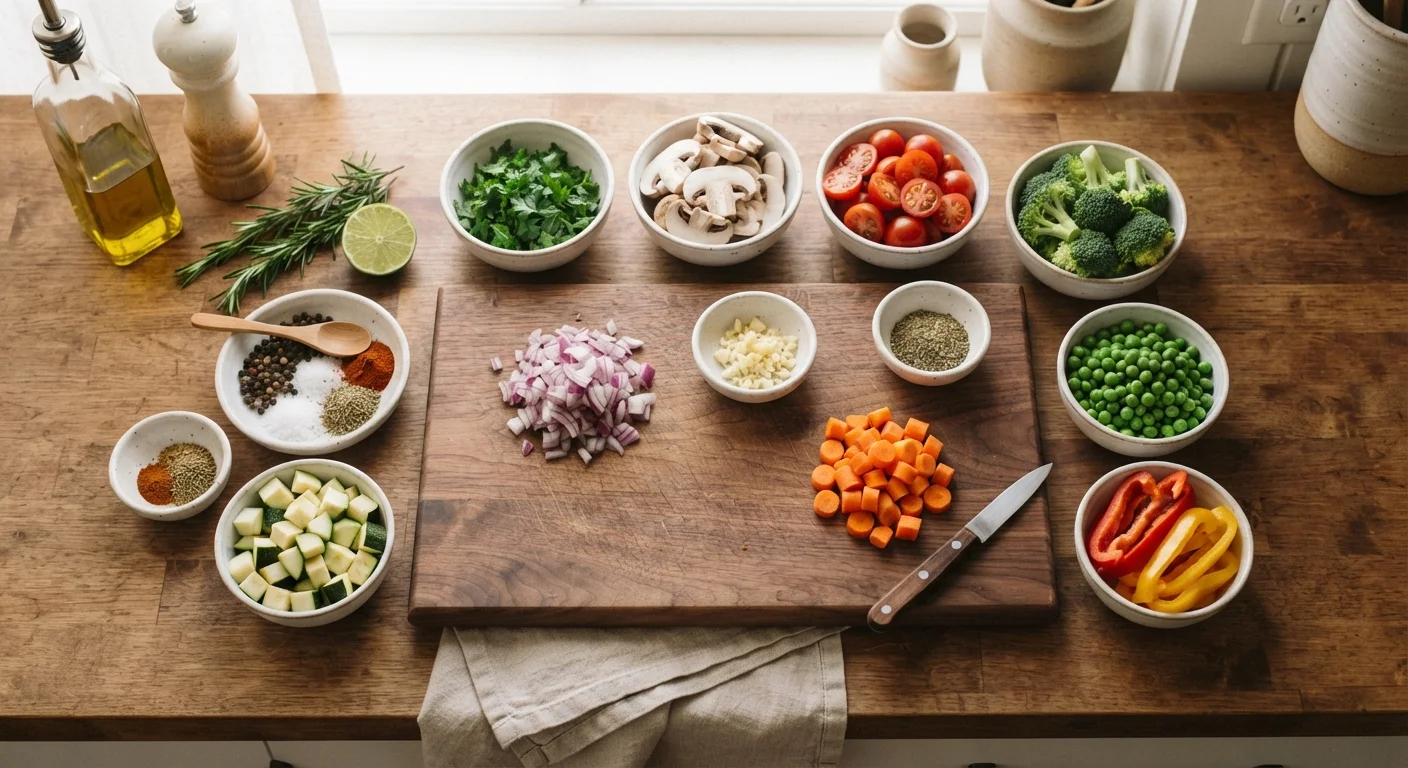
Photo: BridgeWish.com | Reliable Source Of Information editorial
Key Takeaways
- Mise en place means prepping and organizing all ingredients before cooking begins.
- It reduces errors, prevents burning, and makes the cooking process calmer and more enjoyable.
- Home cooks benefit from this habit just as much as professional chefs do.
- Good mise en place starts with reading the full recipe before touching a single ingredient.
- Even a five-minute prep routine can transform a chaotic cooking session into a smooth one.
More Than a Chef's Buzzword
Walk into any professional kitchen and you'll see mise en place in action — rows of small bowls, each holding a measured, prepped ingredient, arranged in the order they'll be used. It looks like a ritual because, in many ways, it is. But you don't need culinary school or a commercial kitchen to benefit from this habit.
At its core, mise en place is a mindset shift: preparation is part of cooking, not something separate from it. When you internalize that idea, the whole cooking experience changes. You're no longer reacting to the recipe; you're executing it with confidence.
See our kitchen readiness checklist for a broader look at how to set up your space before any cooking session.
Mise en Place Applies Beyond the Kitchen
What Mise en Place Actually Looks Like at Home
Translating this concept to a home kitchen doesn't require precision-labeled containers or a brigade of prep cooks. Here's what a practical home version looks like:
- Read the full recipe first. Before you touch an ingredient, understand the entire process — what gets added when, what needs to be prepped in advance, and where timing matters.
- Gather all ingredients. Pull everything from your pantry, fridge, and freezer before you start chopping or measuring. Running back for a forgotten item mid-cook is how mistakes happen.
- Prep and portion. Chop vegetables, measure spices, crack eggs, open cans. Place each prepped item in a small bowl or ramekin near your cooking station.
- Arrange in order of use. Line up your ingredients in the sequence they'll be added to the dish. This simple step is the difference between smooth execution and frantic searching.
For ideas on keeping your kitchen stocked so mise en place is always easy to pull off, visit our guide on stocking a kitchen for nutritious everyday cooking.
Why It Reduces Mistakes — and Stress
Most kitchen mistakes share a common cause: divided attention. When you're trying to dice an onion, watch a sauté pan, and locate the cumin all at once, something suffers. Mise en place eliminates the searching and scrambling so your full attention stays on what's happening in the pan.
It also makes it easier to catch errors before they matter. Measured out your spices in advance? You'll notice right away if the recipe calls for a teaspoon and you only have a pinch left in the jar — before you're standing over a hot stove wondering why the dish tastes flat.
~80%
Of kitchen errors linked to rushed or missing prep
Culinary educators widely attribute the majority of home cooking mistakes to inadequate preparation rather than poor technique.
5–15 min
Typical mise en place time for a home meal
For most everyday recipes, a short structured prep session before cooking begins is enough to prevent the most common mid-cook disruptions.
There's a sensory benefit too. When you're not stressed about logistics, you cook more intuitively — tasting and adjusting as you go. That habit is explored in our article on tasting as you go.
“Mise en place is the religion of all good line cooks. As a cook, your station, and its condition, its state of readiness, is an extension of your nervous system.”
— Anthony Bourdain, Chef and author of 'Kitchen Confidential'
Making It Your Own
You don't have to follow a rigid system to get the benefits. Some cooks prep everything before the stove turns on; others do it in stages — prepping the next ingredient while the current one cooks. Both approaches work. The key is intentionality: knowing what's coming next and having it ready before you need it.
Start small. Pick one recipe this week, read it fully in advance, and get everything prepped before you start cooking. Notice how different it feels. Most people who try this even once describe the experience as "surprisingly calming" — and that's the real power of mise en place. It doesn't just produce better food; it makes cooking something you look forward to rather than dread.
This article is for general informational and educational purposes. It does not constitute professional culinary or dietary advice.
Frequently Asked Questions
The content on this site is for informational purposes only and is not a substitute for professional advice. Always consult a qualified professional for guidance specific to your situation.