
What a Balanced Diet Actually Means (And Why It Varies by Person)

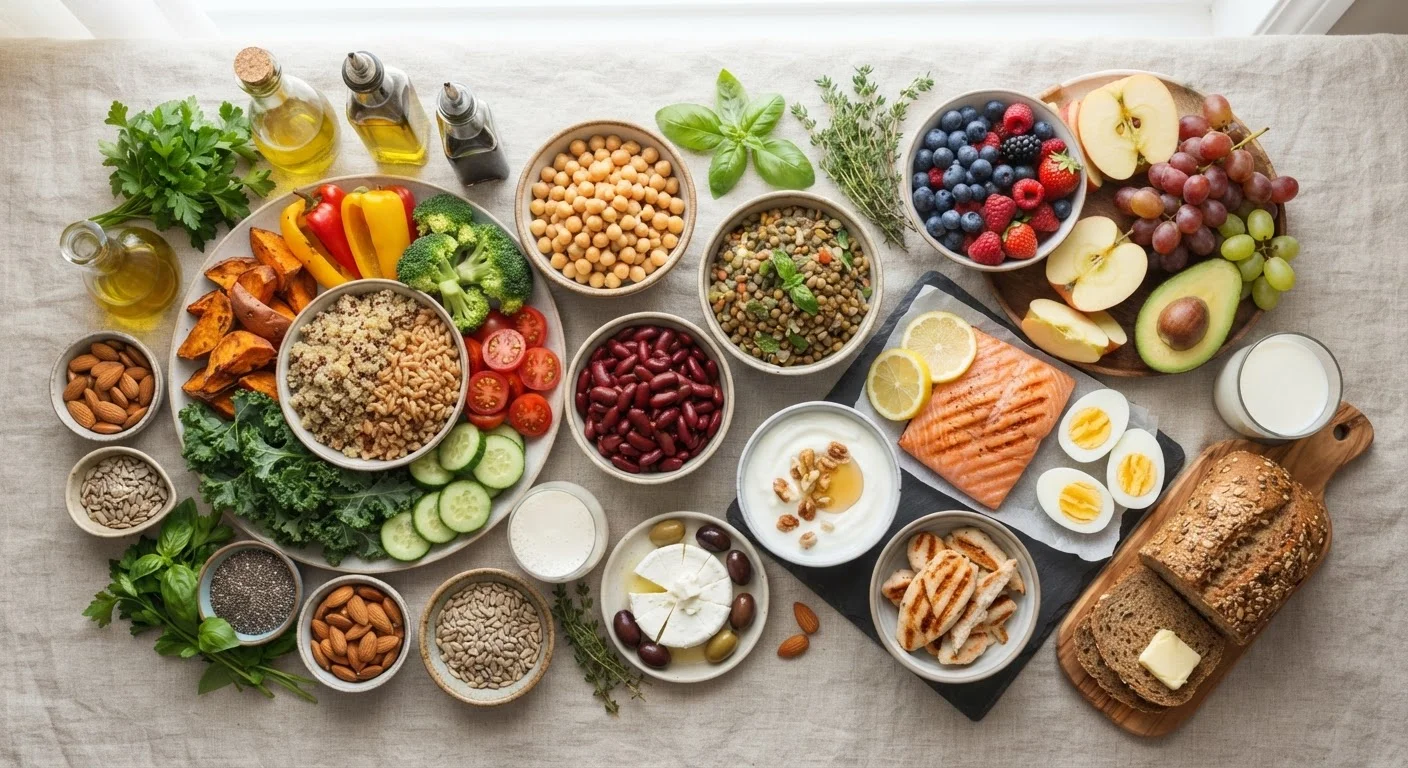
Photo: BridgeWish.com | Reliable Source Of Information editorial
Key Takeaways
- A balanced diet supplies all essential nutrients in proportions suited to your individual needs.
- No single eating pattern qualifies as the one correct balanced diet for everyone.
- Age, activity level, health conditions, and food access all influence what balance looks like for you.
- Whole, minimally processed foods form the foundation of most evidence-based dietary guidance.
- Consulting a registered dietitian can help you translate general principles into a personalized plan.
Where the Phrase Comes From — and Why It's Vague
"Balanced diet" is one of the most repeated phrases in nutrition, yet it's rarely defined clearly. The term became widespread through public health campaigns and food pyramids designed to reduce nutrient deficiencies at a population level. The problem is that population-level guidance is built on averages — and individuals are not averages.
Established frameworks like the U.S. Dietary Guidelines for Americans offer useful starting points, recommending a mix of vegetables, fruits, whole grains, lean proteins, and dairy or fortified alternatives. But these recommendations come with ranges, not fixed numbers, precisely because human nutritional needs vary considerably. For a deeper look at the science behind these guidelines, the nutrition science perspective on balanced eating is worth exploring alongside this overview.
Official Guidelines Are a Starting Point
The Core Nutrients — and Why All of Them Matter
At its most fundamental level, a balanced diet covers three macronutrient categories and a broad range of micronutrients:
- Carbohydrates — the body's primary energy source, ideally sourced from whole grains, legumes, and vegetables rather than refined sugars.
- Proteins — essential for tissue repair, immune function, and enzyme production; found in meat, fish, eggs, dairy, legumes, and soy.
- Fats — necessary for hormone production, fat-soluble vitamin absorption, and brain health; unsaturated fats from sources like olive oil, nuts, and fish are generally emphasized.
Vitamins and minerals round out the picture. Iron, calcium, vitamin D, magnesium, and B vitamins each play specific roles that can't easily be substituted. Eating a wide variety of whole foods is the most practical strategy for covering this micronutrient range without needing to track every number.
9 in 10
Americans fall short on vegetable intake
According to the U.S. Centers for Disease Control and Prevention, only about 1 in 10 adults meets federal recommendations for daily vegetable consumption.
~70%
Of U.S. calories come from ultra-processed foods
Research published in population nutrition studies estimates that ultra-processed foods account for a substantial majority of daily caloric intake in the average American diet.
17+
Essential vitamins and minerals required daily
The human body requires more than 17 vitamins and minerals from dietary sources, underscoring why variety — not just calorie adequacy — defines true nutritional balance.
Why One Size Doesn't Fit All
Several factors shape what a genuinely balanced diet looks like for any individual:
- Life stage: Pregnant individuals have elevated needs for folate and iron. Adolescents need more calcium. Older adults often benefit from higher protein and vitamin D intake.
- Activity level: Athletes and physically active people require more carbohydrates for fuel and more protein for muscle recovery than sedentary individuals.
- Health conditions: People managing type 2 diabetes, kidney disease, celiac disease, or food allergies have medically defined dietary needs that differ substantially from general recommendations.
- Cultural and personal food preferences: A balanced diet can be built around many different cuisine traditions. Mediterranean, traditional Japanese, and many plant-forward eating patterns all demonstrate this.
This is why general dietary advice should be understood as a framework rather than a prescription. For guidance on translating these principles into everyday meals, see what a balanced plate actually looks like.
“There is no single diet that is right for all humans. Nutritional needs are shaped by genetics, environment, activity, and life stage — the best diet is one that meets an individual's specific needs while being sustainable long-term.”
— Walter Willett, Professor of Epidemiology and Nutrition, Harvard T.H. Chan School of Public Health
Practical Ways to Apply the Concept
Rather than chasing a single definition of balance, it's more useful to focus on durable habits that nutrition research consistently supports:
- Prioritize variety. Rotating different vegetables, proteins, and grains throughout the week reduces the risk of nutrient gaps better than eating the same "healthy" foods daily.
- Minimize ultra-processed foods. Foods high in added sugars, refined starches, and sodium tend to displace more nutrient-dense options without providing equivalent nutritional value.
- Don't ignore hydration. Fluid balance is part of overall dietary health — and food itself contributes meaningfully to daily fluid intake. How food affects your hydration is often overlooked in diet conversations.
- Adjust for your context. If you're physically active, traveling, pregnant, or managing a health condition, your needs shift — and your food choices can shift with them.
For a structured way to apply these ideas at each meal, building nutritious meals without calorie counting offers a practical starting point.
The Plate Method Is a Simple Visual Aid
This article is for general informational and educational purposes only and is not a substitute for professional medical or dietary advice. Consult a registered dietitian or qualified healthcare provider for guidance tailored to your individual health needs.
Frequently Asked Questions
The content on this site is for informational purposes only and is not a substitute for professional advice. Always consult a qualified professional for guidance specific to your situation.