
Micronutrients 101: Vitamins and Minerals Your Body Relies On

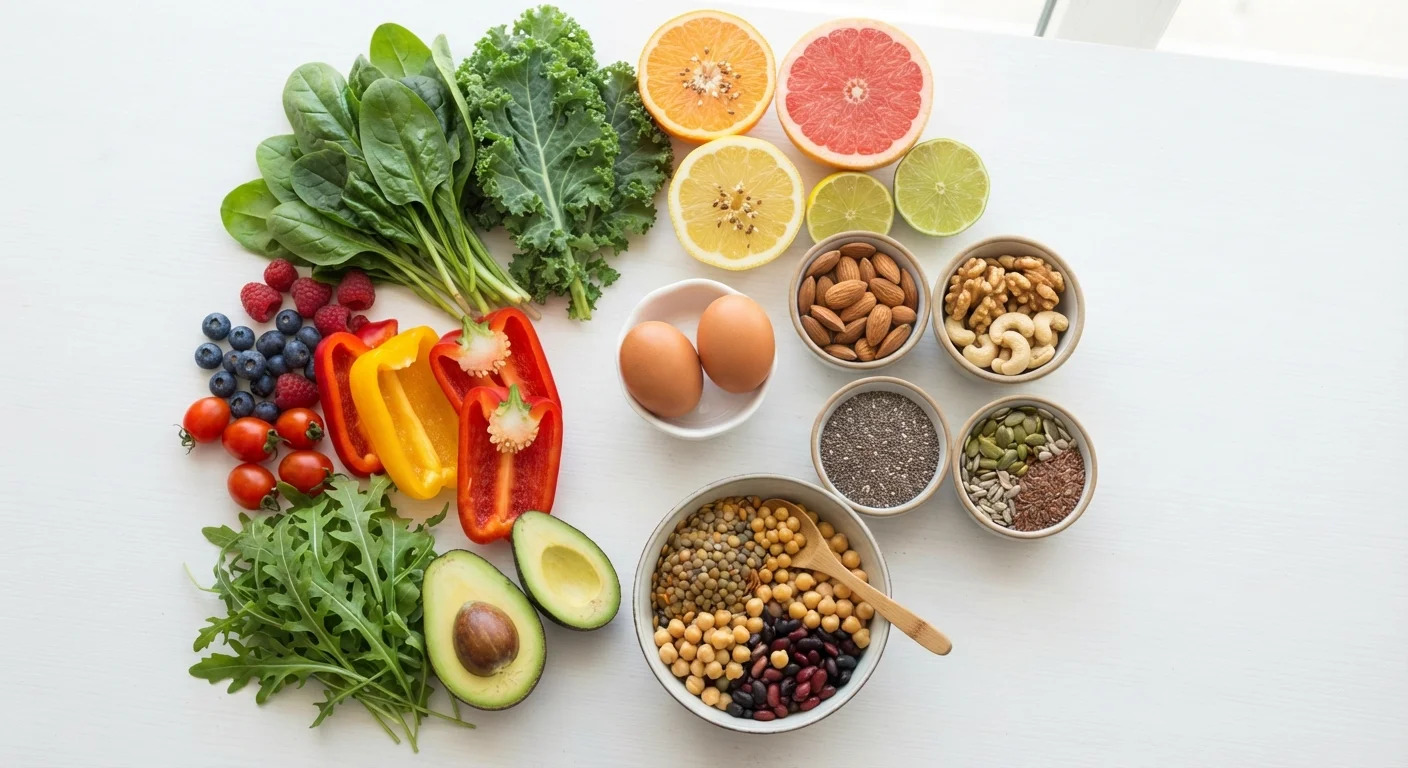
Photo: BridgeWish.com | Reliable Source Of Information editorial
Key Takeaways
- Micronutrients are vitamins and minerals your body needs in small amounts to function properly.
- Vitamins are organic compounds; minerals are inorganic elements — both are essential.
- Most people can meet their micronutrient needs through a varied, whole-food diet.
- Deficiencies in even a single micronutrient can have meaningful health consequences over time.
- Fat-soluble vitamins are stored in the body; water-soluble vitamins need regular replenishment through food.
What Are Micronutrients?
Micronutrients are the vitamins and minerals your body requires in relatively small amounts — milligrams or micrograms — compared to the gram-scale quantities of carbohydrates, protein, and fat. Despite being needed in smaller doses, they are anything but minor players. They enable nearly every physiological process: converting food into energy, building bones, clotting blood, and supporting immune responses.
Unlike macronutrients, micronutrients provide no calories. Their job is structural and regulatory — acting as cofactors for enzymes, components of hormones, and building blocks for tissues. For a broader foundation in nutrition language, see our glossary of key nutrition terms.
Micronutrient
A vitamin or mineral the body needs in small amounts to carry out essential biological processes. Unlike macronutrients, micronutrients provide no calories.
Fat-soluble vitamin
A vitamin (A, D, E, or K) that dissolves in fat, can be stored in body tissues, and does not need to be replenished every day through diet.
Water-soluble vitamin
A vitamin (C or any of the B vitamins) that dissolves in water, is not stored in the body in large amounts, and must be obtained regularly through food.
Trace mineral
A mineral the body requires in very small quantities — such as iron, zinc, or iodine — that is still essential for health at those low levels.
Bioavailability
The proportion of a nutrient from food that your body actually absorbs and can use. It varies depending on the food, how it's prepared, and what it's eaten alongside.
Deficiency
A condition in which the body does not get or absorb enough of a specific nutrient over time, potentially impairing normal bodily functions.
The Two Main Categories: Vitamins and Minerals
Micronutrients divide cleanly into two groups. Vitamins are organic compounds — meaning they contain carbon and are produced by living organisms. Minerals are inorganic elements sourced from the earth: plants absorb them from soil, and animals get them by eating plants or other animals.
Vitamins split further by solubility. Fat-soluble vitamins (A, D, E, K) dissolve in fat, can be stored in body tissues, and do not need to be consumed daily. Water-soluble vitamins (vitamin C and the eight B vitamins) dissolve in water, are not stored in significant amounts, and require regular dietary intake. This distinction matters because fat-soluble vitamins can accumulate to excess if over-supplemented, while water-soluble ones are generally excreted when consumed beyond need. For a companion overview of macronutrients, see Macronutrients at a Glance.
Key Vitamins and What They Do
Here is a practical summary of widely recognized vitamins, their primary functions, and reliable food sources:
| Vitamin | Main Role | Common Food Sources |
|---|---|---|
| A | Vision, immune function, skin integrity | Liver, orange vegetables, leafy greens |
| C | Collagen synthesis, antioxidant, immune support | Citrus fruit, bell peppers, broccoli |
| D | Calcium absorption, bone health, immune regulation | Fatty fish, egg yolks, fortified dairy |
| E | Antioxidant protection of cell membranes | Nuts, seeds, vegetable oils, leafy greens |
| K | Blood clotting, bone metabolism | Kale, spinach, fermented foods |
| B12 | Nerve function, red blood cell formation | Meat, fish, dairy, fortified plant milks |
| Folate (B9) | DNA synthesis, cell division | Legumes, leafy greens, fortified grains |
| B6 | Protein metabolism, neurotransmitter production | Poultry, fish, potatoes, bananas |
Pair Nutrients for Better Absorption
Essential Minerals and Their Roles
Minerals are grouped by how much the body needs. Macrominerals — calcium, magnesium, phosphorus, sodium, potassium, chloride, and sulfur — are required in larger amounts. Trace minerals — iron, zinc, iodine, selenium, copper, manganese, fluoride, and chromium — are needed in much smaller quantities but remain essential.
- Calcium: Structural backbone of bones and teeth; also involved in muscle contraction and nerve signaling. Found in dairy, fortified plant milks, tofu, and leafy greens.
- Iron: Central to hemoglobin, the protein that carries oxygen in red blood cells. Found in red meat, beans, lentils, and fortified cereals. Non-heme iron from plant sources absorbs better when paired with vitamin C.
- Magnesium: Involved in over 300 enzyme reactions, including energy production and muscle relaxation. Found in nuts, seeds, legumes, and whole grains.
- Zinc: Supports immune function, wound healing, and protein synthesis. Found in oysters, meat, seeds, and legumes.
- Iodine: Required for thyroid hormone production, which regulates metabolism. Found in seafood, dairy, and iodized salt.
- Potassium: Helps regulate blood pressure and fluid balance. Found in bananas, potatoes, beans, and leafy greens.
For a detailed lookup of individual vitamins and minerals, explore our micronutrient reference guide.
More Is Not Always Better With Supplements
How to Get Enough Micronutrients Through Food
The most practical strategy is dietary diversity. Different food groups cover different micronutrient gaps, so no single food can do it all. A plate that consistently includes vegetables of varied colors, a protein source, a whole grain, and a healthy fat will cover most micronutrient bases for most healthy adults.
A few practical principles worth keeping in mind:
- Eat the rainbow: Pigments in plant foods — orange beta-carotene, red lycopene, green chlorophyll — often signal distinct micronutrient profiles. Variety in color means variety in nutrients.
- Don't neglect legumes: Beans and lentils are among the most micronutrient-dense, affordable whole foods available — strong sources of folate, iron, magnesium, and zinc.
- Preserve nutrients in the kitchen: Steaming or roasting vegetables tends to retain more water-soluble vitamins than boiling, where nutrients leach into cooking water.
- Consider absorption, not just intake: Bioavailability — how much of a nutrient your body actually absorbs — varies by food and context. Pairing vitamin C-rich foods with iron-rich plant foods is one well-established example of improving absorption.
If you suspect a deficiency or have a health condition affecting nutrient absorption, speak with a registered dietitian or your healthcare provider before reaching for supplements. For a deeper look at which micronutrients the body cannot produce at all, see our companion article on vitamins and minerals your body can't make on its own.
This article is for general informational purposes only and is not a substitute for professional medical or dietary advice. Consult a qualified healthcare provider for guidance specific to your health needs.
Frequently Asked Questions
The content on this site is for informational purposes only and is not a substitute for professional advice. Always consult a qualified professional for guidance specific to your situation.