
Healthy Eating From the Ground Up: A Plain-Language Introduction

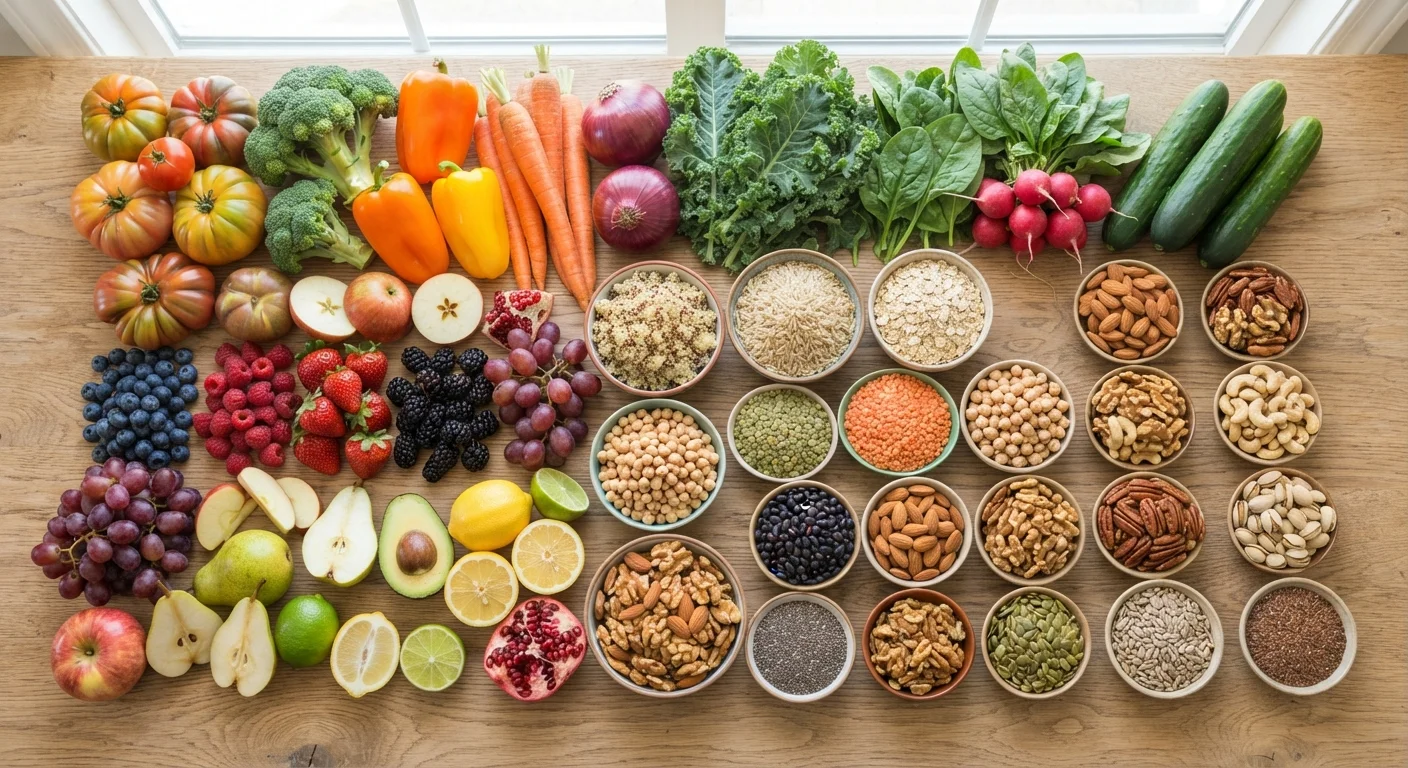
Photo: BridgeWish.com | Reliable Source Of Information editorial
Key Takeaways
- Healthy eating is about overall patterns, not eliminating individual foods.
- Each major food group provides nutrients your body cannot easily get elsewhere.
- Portion awareness helps you balance variety without strict calorie counting.
- Small, consistent habit changes tend to last longer than dramatic overhauls.
- No single diet works for everyone — context and personal health matter.
What 'Healthy Eating' Actually Means
Walk into any bookstore or scroll through social media, and you'll find dozens of competing answers to a simple question: what should I eat? The volume of conflicting advice is one reason so many people feel overwhelmed before they even start. Our companion piece Why Healthy Eating Feels So Complicated unpacks why this confusion is so widespread.
The core idea, though, is less dramatic than most headlines suggest. Healthy eating generally means consuming a varied, balanced mix of foods that provides the energy and nutrients your body needs — consistently, over time. It is a pattern, not a single meal or a rigid ruleset. No one food is a miracle cure, and no one slip is a catastrophe.
Macronutrients
The three main categories of nutrients that provide energy: carbohydrates, protein, and fat. Your body needs all three in meaningful amounts every day.
Micronutrients
Vitamins and minerals your body needs in smaller quantities to function properly — things like iron, calcium, and vitamin C. They don't provide calories but are essential for health.
Dietary fiber
A type of carbohydrate found in plant foods that your body cannot fully digest. It supports digestive health, helps you feel full, and is linked to reduced risk of certain chronic conditions.
Whole food
A food that is minimally processed and close to its natural form — such as an apple, a piece of salmon, or dried lentils. These typically retain more nutrients than heavily processed alternatives.
Nutrient density
A measure of how many useful nutrients a food provides relative to its calorie content. Foods like leafy greens and legumes are considered highly nutrient-dense.
Phytonutrients
Naturally occurring compounds in plants — responsible for colors, flavors, and aromas — that appear to support health in various ways, though research is still ongoing.
This matters because what you eat over weeks and months shapes how your body functions — your energy levels, immune response, digestive health, and long-term risk for certain chronic conditions. The goal of this guide is to give you a durable foundation, not a trending diet plan.
This article provides general nutrition information and is not a substitute for advice from a qualified healthcare professional.
The Core Food Groups and What They Do
Most mainstream nutrition frameworks organize food into groups based on the primary nutrients each provides. Understanding the broad role of each group helps you see why variety matters — not just that it does.
- Vegetables and fruit: Rich in fiber, vitamins, minerals, and compounds called phytonutrients. Different colors generally signal different nutrient profiles, which is why eating a range is more useful than eating one type in large quantities.
- Whole grains: Foods like oats, brown rice, and whole-wheat bread provide complex carbohydrates, fiber, and B vitamins. The fiber in whole grains supports digestive health and helps you feel satisfied after meals.
- Protein foods: Includes meat, poultry, seafood, eggs, legumes (beans and lentils), nuts, and seeds. Protein supports muscle maintenance, immune function, and enzyme production. Legumes also contribute significant fiber.
- Dairy and fortified alternatives: Primary dietary sources of calcium and vitamin D for many people, both of which support bone health.
- Healthy fats: Found in foods like avocados, olive oil, nuts, and fatty fish. Dietary fat supports cell function, hormone production, and the absorption of fat-soluble vitamins (A, D, E, and K).
Highly processed foods — those with long ingredient lists dominated by added sugars, refined starches, and sodium — tend to provide calories with fewer of the nutrients your body uses. They aren't universally off-limits, but they work best as occasional items rather than dietary staples. For a deeper look at the terminology you'll encounter, see Key Nutrition Terms Every Consumer Should Know.
Balance and Portions: A Practical Starting Point
You don't need to weigh your food or download a tracking app to eat more balanced meals. A simple visual approach used in U.S. public health communication suggests thinking of your plate in rough proportions:
- About half filled with vegetables and fruit
- About a quarter with whole grains or starchy vegetables
- About a quarter with a protein source
- A small amount of healthy fat (from cooking oil, dressing, or a food like avocado)
- Water or a low-sugar beverage as your primary drink
Use the Plate Method as a Mental Check
This framework isn't meant to be followed with precision at every single meal. It's a mental reference point — a way to notice when a pattern is heavily skewed in one direction over time. A meal that's all grain and no vegetables isn't a failure; it just suggests the next meal might lean more on vegetables.
Portion size is another area where everyday Americans often have less accurate intuitions than they think, partly because standard serving sizes in restaurants and packaged foods have grown considerably over decades. For most home meals, using a standard dinner plate (rather than a large serving platter) and pausing mid-meal to gauge hunger provides a reasonable check without requiring strict measurement.
Simple Habits That Move the Needle
Research consistently shows that gradual, sustainable changes outperform dramatic dietary overhauls for most people. Here are several evidence-informed starting points — none of which require a complete lifestyle redesign:
- Add before you subtract. Rather than starting with restriction, focus on adding one more serving of vegetables or a handful of nuts to your existing meals. Addition tends to feel more positive and is easier to maintain.
- Cook at home more often. Home-prepared meals tend to contain less sodium, added sugar, and saturated fat than restaurant or fast-food options, and give you direct control over ingredients.
- Make water your default drink. Replacing sugar-sweetened beverages with water is one of the most straightforward dietary shifts with meaningful downstream effects.
- Read ingredient lists, not just nutrition labels. The first few ingredients listed are present in the largest amounts. This gives you a quick read on what a food is actually made of.
- Plan at least a few meals weekly. Having a rough plan reduces the likelihood of defaulting to less nutritious options when you're tired or pressed for time.
If you're interested in applying these concepts across a full day of eating, Eating Well Across Every Meal offers a practical day-in-the-life framework.
MyPlate (USDA)
The U.S. Department of Agriculture's public nutrition resource explaining food groups, suggested proportions, and practical meal-building guidance based on federal dietary guidelines.
Dietary Guidelines for Americans
The official science-based federal nutrition framework updated every five years, offering foundational guidance on eating patterns across life stages.
Academy of Nutrition and Dietetics — Find a Registered Dietitian
A searchable directory for locating credentialed registered dietitian nutritionists (RDNs) who can provide personalized dietary guidance appropriate to your health needs.
Where to Go From Here
Healthy eating is a lifelong practice, not a destination — and everyone starts from a different place. If you're cooking for a family, managing a health condition, or working within a tight grocery budget, your path will look different from someone with different circumstances. That's expected and completely fine.
If you're curious about eating more plant-forward meals without committing to a specific diet, Plant-Based Eating: A Starter's Overview is a useful next read. For those working with limited budgets, Navigating Nutrition on a Budget covers which nutrient-dense choices offer the most value.
For decisions about your specific health, dietary restrictions, or medical conditions, a registered dietitian or your primary care provider is the right resource. General nutrition guidance — including the information in this article — is educational in nature and cannot replace personalized professional advice.
This article is for general informational and educational purposes only and is not medical or dietary advice. Consult a qualified healthcare professional before making significant changes to your diet, especially if you have a health condition.
Frequently Asked Questions
The content on this site is for informational purposes only and is not a substitute for professional advice. Always consult a qualified professional for guidance specific to your situation.