
Understanding Fear, Anxiety, and Stress in Pets: The FAS Scale Explained

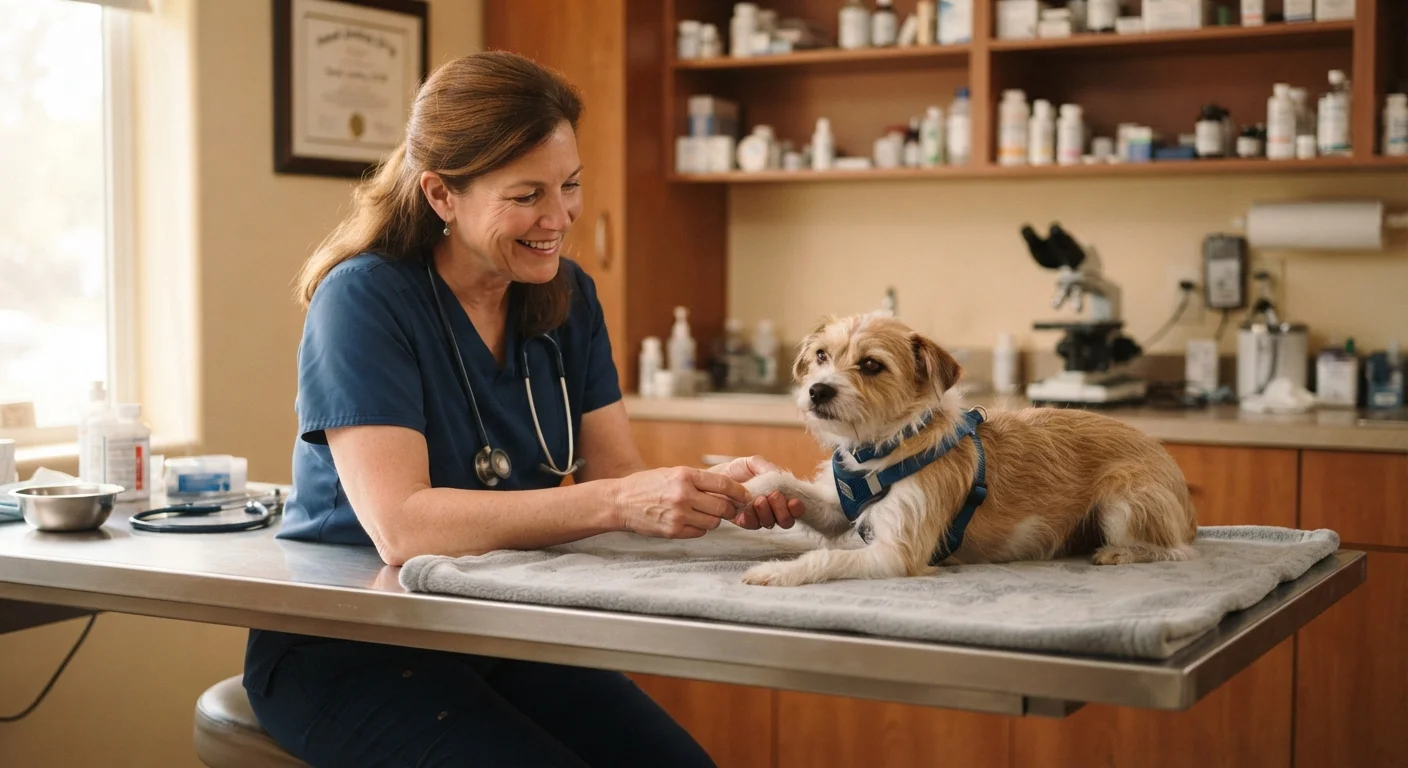
Photo: BridgeWish.com | Reliable Source Of Information editorial
Key Takeaways
- The FAS scale rates animal distress from 0 (relaxed) to 5 (extreme panic) using observable body language.
- Fear, anxiety, and stress are distinct emotional states that can overlap and escalate quickly in pets.
- Recognizing early FAS signals allows owners to intervene before distress becomes severe.
- Veterinary teams use FAS scores to adapt handling techniques and reduce traumatic experiences.
- Training and environment both play important roles in keeping pets at lower FAS levels.
- Persistent high FAS scores warrant professional guidance from a veterinarian or certified behaviorist.
Why Emotional Distress in Pets Deserves a Closer Look
Most pet owners can sense when something feels off with their animal — a dog that cowers during thunderstorms, a cat that hides for hours after a vet visit. But pinpointing how distressed a pet actually is, and knowing when to act, can be genuinely difficult without a framework to guide you.
That's exactly the problem the FAS scale was designed to solve. By giving caregivers a consistent, observable set of criteria to assess emotional state, the scale transforms a vague sense of "my pet seems stressed" into actionable information. Understanding it doesn't require a veterinary degree — just a willingness to pay closer attention to what your animal is telling you through their body.
For a deeper look at how everyday habits shape your pet's emotional baseline, see how pets experience stress and the habits that affect it.
Breaking Down the FAS Scale: What Each Level Looks Like
The FAS scale runs from 0 to 5, with each level describing a progressively more distressed emotional state:
- FAS 0 — Relaxed: Soft eyes, loose body posture, willingness to engage. The animal is comfortable and at ease.
- FAS 1 — Mild: Subtle tension — slight lip licking, yawning out of context, or a momentarily stiff posture. The animal recovers quickly.
- FAS 2 — Moderate: Visible unease. Ears may flatten, tail tucks slightly, or the pet begins scanning the environment. Attention becomes harder to hold.
- FAS 3 — Significant: Clear distress. Trembling, panting unrelated to heat, attempts to escape, or active avoidance behaviors. The animal is struggling to cope.
- FAS 4 — Severe: Intense fear responses — freezing, vocalizing, loss of bowel or bladder control, or defensive aggression. The pet feels genuinely threatened.
- FAS 5 — Extreme/Panic: Complete overwhelm. The animal may be unresponsive to normal cues, or may injure themselves or others trying to escape the perceived threat.
One of the most important insights the scale offers is that distress is dynamic. An animal can move up or down the scale quickly depending on what's happening around them — which means early recognition at FAS 1 or 2 gives you the best chance to prevent escalation.
72%
Dogs showing fear-related behavior at vet visits
Research published in veterinary behavior journals consistently finds a majority of dogs display stress signals during routine clinic visits, highlighting why FAS-aware handling matters.
~40%
Cats showing moderate to severe vet-visit stress
Studies on feline welfare suggest a significant portion of cats experience high FAS states during transport and examination, often going unrecognized by owners.
FAS 3+
Threshold where learning is significantly impaired
Animal behavior research indicates that once distress reaches moderate-to-severe levels, the brain's stress response interferes with forming new positive associations during training.
Fear, Anxiety, and Stress: Similar but Not the Same
The three components of the FAS scale are related but distinct emotional experiences, and understanding the difference matters for how you respond.
- Fear
- A response to an immediate, identifiable threat — real or perceived. It's acute and typically resolves once the trigger is gone. A dog startled by a loud noise is experiencing fear.
- Anxiety
- Anticipatory distress about something that might happen. Pets with separation anxiety, for example, become distressed before their owner even leaves — because they've learned to predict the outcome. See how separation anxiety develops and what it looks like.
- Stress
- A broader physiological and psychological response to demands that exceed an animal's perceived ability to cope. Chronic stress — from noise, unpredictability, or social tension — can accumulate even without obvious single triggers.
It's also worth noting that fear-based reactions can sometimes look like aggression — a crucial distinction for owners and trainers alike. Learn how to tell fear from aggression in dogs so you can respond appropriately rather than reactively.
Watch for Early Signals Before Distress Escalates
How the FAS Scale Shapes Veterinary Care and Training
In clinical settings, a pet's FAS score on arrival directly influences how the visit unfolds. A cat that scores FAS 3 in the waiting room might be moved to a quieter space, offered time to decompress in the carrier, or have a non-essential procedure rescheduled to avoid compounding trauma. These aren't accommodations that slow care — they're strategies that make future care safer and more effective.
In training, the FAS scale serves as a guardrail. Humane, force-free training methods depend on keeping animals at low FAS levels during sessions, because learning is genuinely impaired when an animal is distressed. A dog operating at FAS 3 or above is in survival mode — not in a state where positive associations can form reliably.
“The single most important thing we can do for animals in our care is to recognize that their emotional experience is real, measurable, and directly shapes their physical health. Reducing fear in clinical settings isn't just kindness — it's medicine.”
— Dr. Marty Becker, Veterinarian and founder of the Fear Free initiative in veterinary medicine
Whether you're working through grooming challenges or introducing a new pet to your home, keeping emotional state in mind is foundational. Low-stress grooming techniques and creating a safe home environment are both practical ways to support lower FAS levels day to day.
This article is for general informational and educational purposes only and is not a substitute for professional veterinary or behavioral advice. If your pet is showing signs of significant or persistent distress, please consult a licensed veterinarian or certified animal behaviorist.
Frequently Asked Questions
The content on this site is for informational purposes only and is not a substitute for professional advice. Always consult a qualified professional for guidance specific to your situation.