
The Weekend Trip Packing Checklist

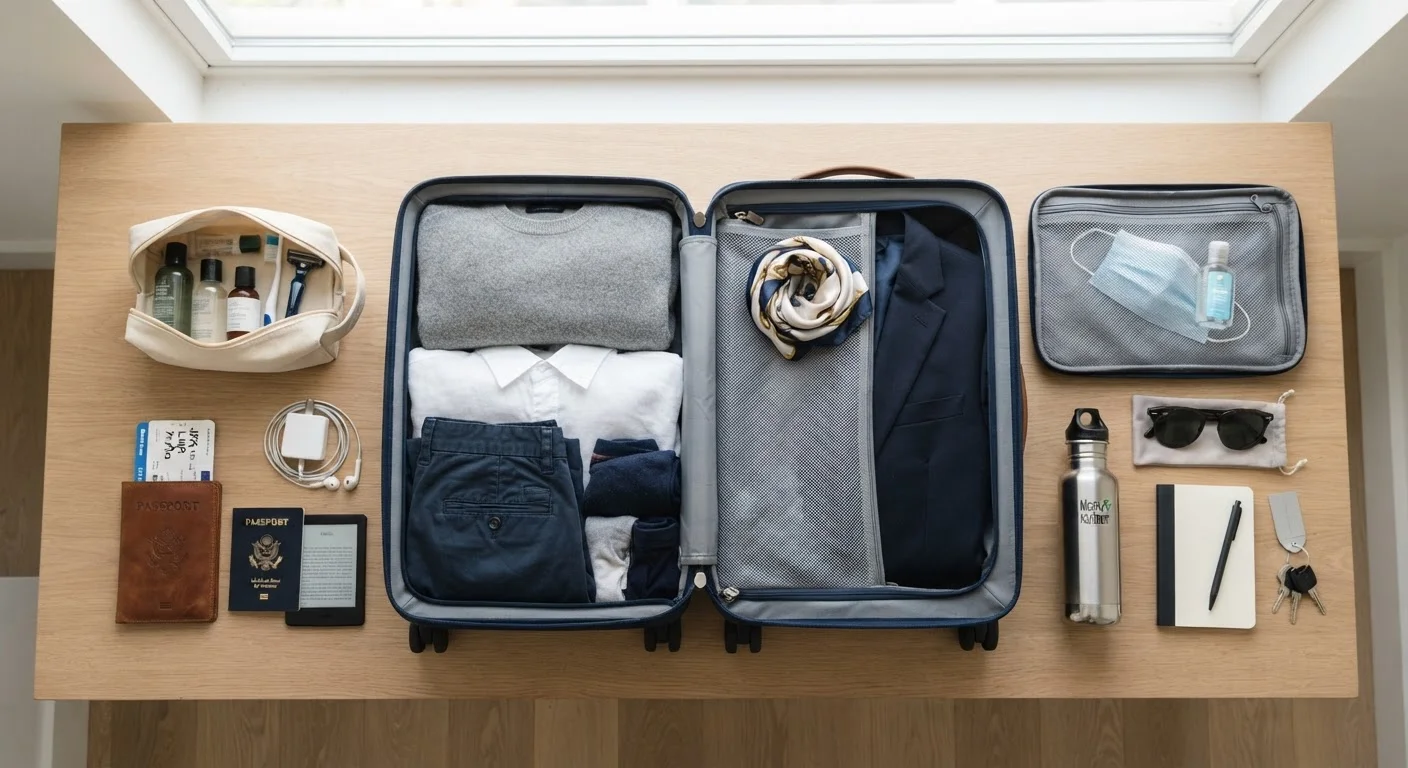
Photo: BridgeWish.com | Reliable Source Of Information editorial
Key Takeaways
- A weekend trip (2–3 nights) rarely requires more than one carry-on or a medium-sized duffel bag.
- Sticking to a neutral color palette lets you mix and match outfits with fewer total pieces.
- Travel-size toiletries and a dedicated tech pouch dramatically reduce packing time and bag bulk.
- Always pack your most important documents and a spare set of essentials in your personal item.
- A checklist habit prevents last-minute panic and stops you from over-packing out of anxiety.
Why a Weekend Trip Deserves Its Own Checklist
Weekend trips have a sneaky way of turning into over-packing disasters. Because the timeframe feels casual, it's tempting to throw in "just in case" items until your bag weighs more than it should for a two-night stay. A focused checklist flips that instinct — instead of asking what might I need?, you ask what do I actually need?
This checklist is designed around a 2–3 night trip, whether you're catching a flight, hitting the road, or boarding a train. It scales easily to almost any destination — beach, city, mountains, or a friend's spare room. For longer journeys, check out our one-week packing checklist or the complete guide to packing for any trip.
Before you start loading your bag, lay everything out on your bed. Seeing items in front of you makes it far easier to spot duplicates and things you genuinely won't use. Then work through the groups below.
Carry-on bag or medium duffel
The primary container for all your weekend trip essentials — aim for a size that fits in an overhead bin or can be carried on comfortably.
Personal item (tote or daypack)
Holds in-flight or in-transit essentials: documents, tech, medication, and a spare outfit layer.
Dedicated toiletry bag
Keeps liquids and personal care items organised and easy to move through security.
Packing cubes
Compress and organise clothing categories so your bag stays neat and items are easy to find.
Luggage scale
Helps you verify bag weight before heading to the airport, avoiding surprise fees.
How to Use This Checklist
Work through each group in order — clothing first, then toiletries, documents, and tech. Mark off items as you pack them, not before. The priority labels (must, should, nice to have) help you make quick decisions when bag space gets tight.
Aim to leave about 20% of your bag empty when you close it. That buffer accommodates souvenirs, dirty laundry separation, or anything you pick up along the way. If you can't close your bag comfortably, go back through the nice-to-have items first.
Once you're satisfied with your packing, consider running through the pre-departure checklist to cover home security, finances, and any last-minute travel prep.
Clothing
Toiletries
Documents & Essentials
Tech & Accessories
Carry-on liquid rules still apply
Smart Packing Habits That Make This Easier Every Time
The most efficient weekend packers share a few consistent habits. First, they keep a dedicated toiletry bag stocked and ready to go at all times — refilling after each trip rather than before the next one. This alone can cut packing time in half.
Second, they use a neutral clothing palette. When every piece coordinates with every other piece, you need far fewer outfits to cover the same number of occasions. Navy, grey, white, olive, and black are perennial workhorses.
Third, they treat their personal item (a tote, daypack, or personal bag) as a mini emergency kit: phone charger, travel documents, one change of underwear, and any medication go in there. If a checked bag or overhead bin gets separated from you, you're still covered.
For those curious about extending these strategies to much longer journeys, our article on packing light for long trips explores how to apply a minimalist mindset across multiple weeks of travel. And if this is your first time building a systematic packing approach, your first-time packing guide is a great next step.
Verify Entry Requirements Before You Go
The content on this site is for informational purposes only and is not a substitute for professional advice. Always consult a qualified professional for guidance specific to your situation.