
Needs, Wants, and Savings: How to Categorize Every Dollar You Spend

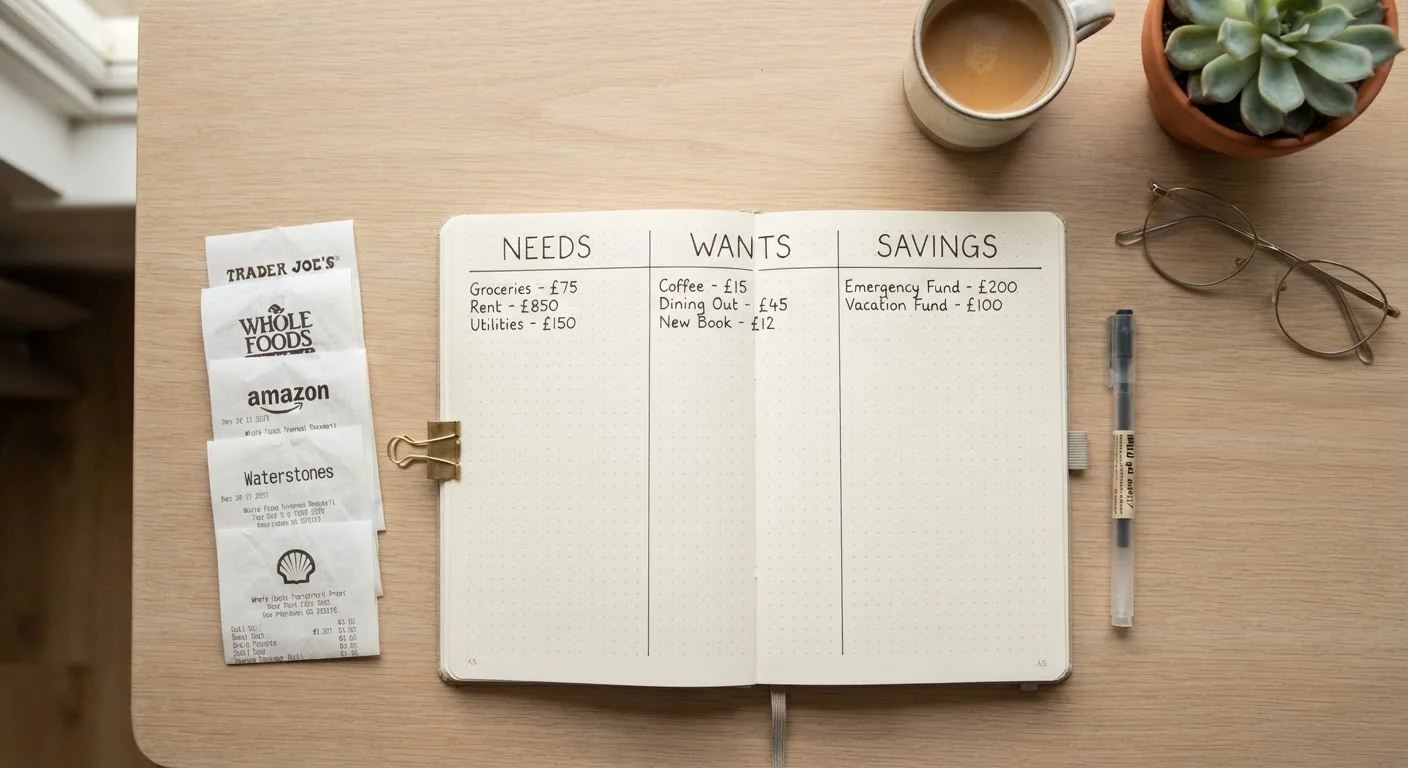
Photo: BridgeWish.com | Reliable Source Of Information editorial
Key Takeaways
- Needs are non-negotiable expenses; cutting them usually requires a life change, not just willpower.
- Wants are where most households have the most immediate budgeting flexibility.
- Savings should be treated as a fixed expense, not whatever is left over at month's end.
- Some expenses are genuinely ambiguous - context and income level matter when classifying them.
- Categorizing spending is a starting point; tracking it consistently is what creates lasting change.
Why Categorizing Expenses Changes Everything
Most people who feel stressed about money aren't spending recklessly - they simply don't have a clear picture of where their dollars actually land. Sorting expenses into defined categories is the fastest way to fix that. It replaces vague anxiety with concrete information you can act on.
The needs-wants-savings model is useful precisely because it forces a judgment call on every expense. You can't just log a number - you have to think about what role that purchase plays in your life. That small act of classification, repeated consistently, builds the kind of self-awareness that makes budgeting sustainable rather than punishing.
If you haven't started tracking where your money goes yet, that's the natural first step before categorization will feel meaningful. Once you have even a few weeks of real spending data, the three-category framework gives you something to do with it.
Breaking Down the Three Categories
Needs: The Non-Negotiables
Needs are expenses you cannot skip without concrete, serious consequences. Think rent or mortgage, electricity, water, basic groceries, health insurance, minimum debt payments, and transportation you rely on for work. These costs don't shrink through willpower - reducing them usually requires a significant life decision, like moving to a cheaper apartment or refinancing a loan.
One common mistake is inflating this category. A car payment on a vehicle you chose for status is partially a want. A streaming service isn't a need in the strict sense. Honest classification here is what makes the whole exercise worthwhile.
Wants: Where Flexibility Lives
Wants are spending that genuinely improves your life but could be reduced or eliminated without crisis. Dining out, subscriptions, travel, entertainment, and clothing beyond basic necessity all fall here. This is the category with the most immediate budget flexibility - and where most spending audits find the most room.
That doesn't mean wants are bad. A sustainable budget has space for things you enjoy. The goal isn't to eliminate this category but to choose deliberately within it. Understanding how fixed and variable expenses behave differently can help you identify which wants are easiest to adjust month to month.
Savings: Pay Yourself First
Savings - including emergency funds, retirement contributions, and other financial goals - work best when treated as a fixed expense, not an afterthought. If you wait to save whatever is left at the end of the month, most months there won't be much left. Automating a savings transfer on payday removes the decision entirely.
Different savings approaches work for different people. The key principle is consistency over size - small, regular contributions build the habit and the balance simultaneously.
Make Savings Automatic From Day One
The Gray Areas: Expenses That Don't Fit Neatly
Some expenses genuinely sit at the border. A gym membership could be a want for one person and a medically advised need for another. High-speed internet is arguably essential for remote workers, borderline optional for others. A reliable car in a city with no public transit is a need; the same car in a walkable urban neighborhood is closer to a want.
The honest answer is that context matters. Your job, health situation, family responsibilities, and where you live all affect the classification. The exercise isn't about being strict with yourself - it's about being accurate. When you know which bucket an expense truly belongs in, you make better decisions about it.
Income Level Affects What Counts as a Need
For a broader look at how this framework fits into household budgeting overall, the complete guide to building a budget covers income, irregular costs, and how to make a plan that holds up over time. And if you want to understand the percentage targets that often accompany this model, the 50/30/20 rule explained is a natural next read.
This article is for general informational purposes only and does not constitute personalized financial advice. For guidance specific to your financial situation, consider consulting a qualified financial professional.
Frequently Asked Questions
The content on this site is for informational purposes only and is not a substitute for professional advice. Always consult a qualified professional for guidance specific to your situation.