
Building Flavor Without a Recipe: A Practical Guide to Seasoning

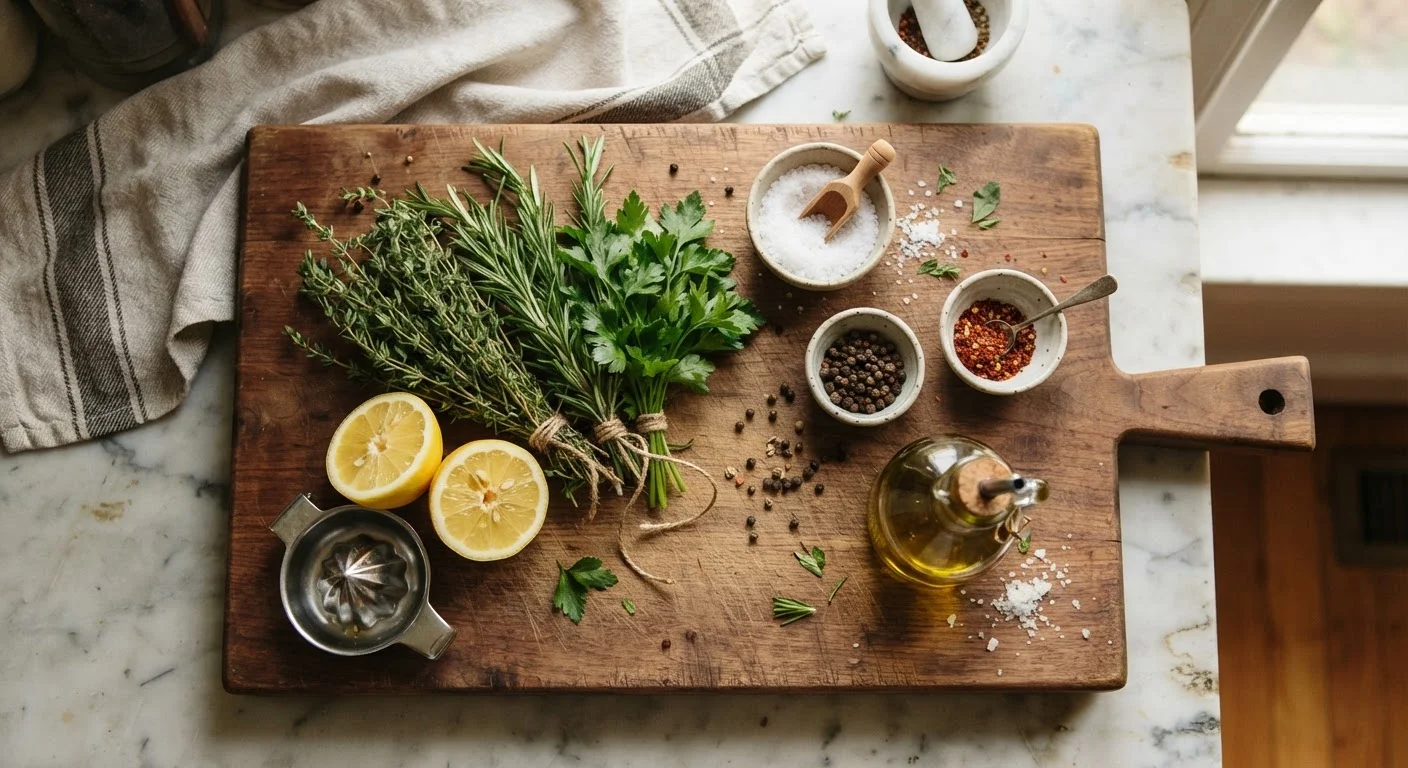
Photo: BridgeWish.com | Reliable Source Of Information editorial
Key Takeaways
- Salt, acid, fat, and heat are the four levers every experienced cook uses to adjust flavor.
- Tasting at multiple stages — not just at the end — is the single most effective seasoning habit.
- A dish that tastes flat usually needs salt or acid before it needs more spice or fat.
- Layering seasoning throughout cooking builds deeper flavor than one large addition at the end.
- Adjustments should be small and incremental; it's easier to add than to correct over-seasoning.
Why Flavor Intuition Matters More Than Recipes
Recipes tell you what to add — but not how to respond when something tastes off. Experienced cooks don't rely on precise measurements to deliver consistently good food. They rely on understanding why flavors work together, which lets them improvise confidently with whatever's on hand.
The foundation of this skill is understanding four core forces: salt, fat, acid, and heat. These aren't just ingredients or techniques — they're flavor levers. Learning to use them intuitively is what separates cooks who consistently produce great food from those who follow recipes exactly and still end up with something flat. For a deeper look at how these four elements interact, see our guide to salt, fat, acid, and heat.
The good news: this skill is entirely learnable, and it begins with a single habit — tasting as you go. Tasting throughout the cooking process (not just before serving) is the most direct route to building flavor intuition.
What you will need
What You'll Need
You don't need a fully stocked spice cabinet to season food well. The essentials are simple and likely already in your kitchen. The key is having them accessible and understanding the role each one plays.
Kosher or sea salt
Primary seasoning agent; coarser grains give better tactile control when pinching and sprinkling.
Acid source (lemon, lime, or vinegar)
Used to brighten and balance flavors, particularly in finished dishes.
Neutral or flavored fat (olive oil, butter, or similar)
Carries and amplifies fat-soluble flavor compounds; adds body and richness.
Tasting spoon
Allows hygienic, frequent tasting throughout the cooking process without cross-contamination.
Small pinch bowls
Pre-measuring spices and aromatics before cooking helps avoid over-adding under pressure.
For a more detailed breakdown of how salt behaves differently depending on type and timing, our article on common salt myths in cooking clarifies what actually works versus conventional kitchen folklore.
Step-by-Step: Building Flavor as You Cook
Follow these steps each time you cook a new dish or improvise from pantry staples. The goal is to make each stage a deliberate, conscious tasting and adjustment — until the process becomes automatic.
Taste the Base Before Adding Anything
Before seasoning, taste whatever you're working with in its current state. This gives you a true baseline. Is it bland, bitter, one-dimensional? Identifying the starting point tells you which direction to move — you can't diagnose what's missing until you know what's already there.
Season with Salt in Layers, Not All at Once
Add a small pinch of salt early — ideally when aromatics like onions or garlic first hit the pan. Salt draws out moisture and helps ingredients release flavor faster. Add another small amount mid-cook when the main ingredients are in. Reserve a final taste-and-adjust for just before serving. This approach builds depth rather than surface saltiness.
Introduce Fat to Carry and Round Flavor
Fat doesn't just add richness — it carries fat-soluble flavor compounds (found in herbs, spices, and aromatics) and distributes them evenly through a dish. A drizzle of olive oil, a pat of butter stirred in at the end of a sauce, or a spoonful of coconut milk can transform a thin, sharp flavor profile into something cohesive. Add fat gradually and taste between additions.
Add Acid to Brighten and Balance
If a dish tastes heavy, muddy, or one-note even after salting, acid is usually the answer. A squeeze of lemon, a splash of white wine vinegar, or a spoonful of yogurt can lift the entire flavor profile. Add acid at the end of cooking for the brightest effect, though some dishes benefit from acid added earlier — citrus zest, tomatoes, or wine added mid-cook mellow and integrate as they cook down.
Use Heat to Develop and Deepen Flavor
Heat isn't just for cooking food through — it's a flavor-building tool. High, dry heat (roasting, searing, caramelizing) produces browning reactions that generate hundreds of new flavor compounds unavailable in raw ingredients. Don't rush this step. Allow onions to turn genuinely golden, let a sear develop a proper crust, roast vegetables until their edges char slightly. Patience here pays dividends in flavor complexity.
Do a Final Taste and Micro-Adjust Before Serving
Taste one last time just before serving, as if you're a diner encountering the dish for the first time. Ask: Is it bright enough? Does it need a touch more salt? Is there enough richness? A finishing pinch of flaky salt, a last squeeze of citrus, or a small knob of butter stirred through at the end can make the difference between good and memorable.
Over-Salting Is Hard to Fix
Troubleshooting Common Flavor Problems
Even with careful technique, dishes sometimes don't come together as expected. Here's how to diagnose and address the most frequent issues:
- Tastes flat or dull: Add salt in a small pinch and taste again. If salt doesn't help, try acid — a squeeze of lemon or a few drops of vinegar often resolves flatness immediately.
- Tastes harsh or sharp: Too much acid or raw spice. Add fat (butter, cream, olive oil) to round the edges, or balance with a small amount of sweetness if appropriate to the dish.
- Tastes bitter: Bitterness often comes from over-extracted aromatics, burnt garlic, or certain vegetables. A pinch of salt or sugar can suppress mild bitterness; if severe, it may be necessary to start the aromatic base again.
- One-dimensional despite many ingredients: You may need more textural contrast rather than more seasoning. Consider a crunchy garnish, a fresh herb finish, or a drizzle of a contrasting fat.
Acid Is the Most Underused Tool
Taste Before Adding More Seasoning
If you're working on a dish that uses a homemade base, the quality of your starting liquid matters enormously. Our guide to building flavorful stock from scratch covers how to develop a well-seasoned foundation before any additional seasoning is applied.
This article is for general culinary education purposes only. Specific dietary needs and health conditions may affect how you season your food — consult a qualified healthcare or nutrition professional if you have concerns about sodium intake or dietary restrictions.
The content on this site is for informational purposes only and is not a substitute for professional advice. Always consult a qualified professional for guidance specific to your situation.