
How Cooking Methods Change the Same Ingredient

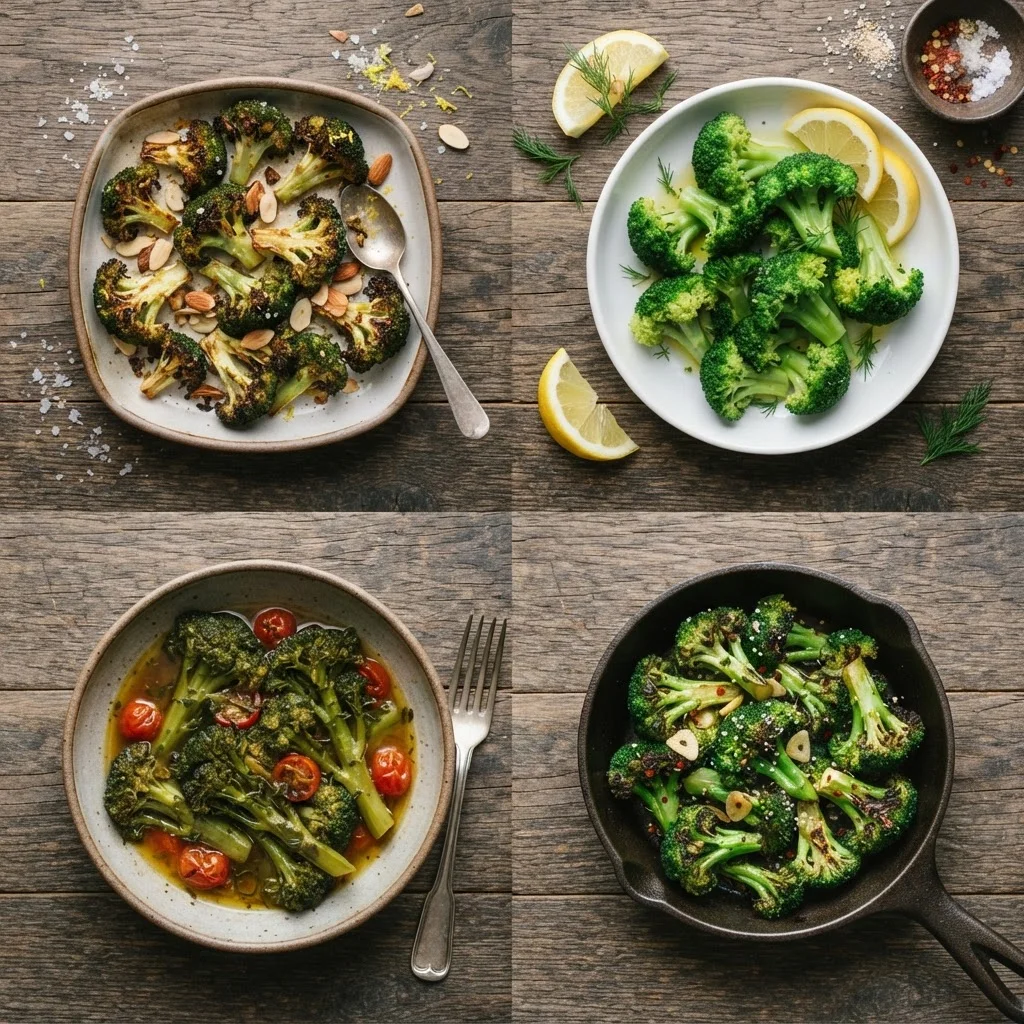
Photo: BridgeWish.com | Reliable Source Of Information editorial
Key Takeaways
- Dry heat methods like roasting trigger browning reactions that create deep, complex flavors.
- Steaming preserves more water-soluble nutrients and natural color than boiling or roasting.
- Braising softens tough fibers through long, moist cooking and builds layered, savory liquid flavor.
- Sautéing uses high heat and minimal fat for quick browning with a tender-crisp interior.
- The same vegetable can taste entirely different depending solely on the method applied.
Why Cooking Method Is as Important as Ingredient Choice
Pick up a single head of broccoli. Roast it at high heat, steam it over boiling water, braise it in seasoned broth, or toss it in a hot pan — and you will produce four distinctly different vegetables in terms of flavor, texture, color, and even nutritional profile. The ingredient hasn't changed; the method has done all the work.
Understanding what each cooking technique actually does to food at a physical and chemical level is one of the highest-leverage skills a home cook can develop. It frees you from recipe dependence because once you know what a method achieves, you can predict results, troubleshoot problems, and make deliberate choices rather than guessing. For a broader look at how heat categories differ, see our guide on dry heat vs. moist heat cooking.
~50%
Vitamin C lost when boiling vegetables
Studies in food science journals indicate boiling can reduce vitamin C content by up to 50%, compared with significantly lower losses through steaming.
4×
More flavor compounds from Maillard browning
Food chemistry research shows the Maillard reaction can generate hundreds of new aroma and flavor compounds not present in raw or steamed foods.
Roasting: Caramelization and Concentration
Roasting uses dry oven heat — typically between 375°F and 450°F — to cook food surrounded by hot air. Two major reactions happen: caramelization (sugars breaking down and browning) and the Maillard reaction (amino acids and sugars reacting to form hundreds of new flavor compounds). Both require surface moisture to evaporate first, which is why crowding a pan steams vegetables instead of roasting them.
The result is intensified, nutty, slightly sweet flavor with edges that crisp and interiors that soften. Water content decreases significantly, so flavors concentrate. A mild zucchini becomes almost jammy; raw broccoli florets develop savory char on their tips. Roasting is your best tool when you want depth.
Give Your Pan Space When Roasting
Steaming: Preserving Color, Nutrients, and Texture
Steaming cooks food with water vapor rather than submerging it in liquid. Because the food never touches the cooking water directly, water-soluble nutrients — particularly vitamin C and B vitamins — are far better retained than they are with boiling. Research published in nutritional science literature consistently supports steaming as one of the gentler methods for preserving micronutrients in vegetables.
Texturally, steaming produces tender results without the softening that extended moist heat brings. Green vegetables stay vivid because heat deactivates the enzymes that cause discoloration before chlorophyll has time to degrade. Steam for the shortest effective time, however — overcooking collapses cell structure and turns color dull regardless of method.
To get the most from steaming, cut vegetables to a uniform size so they finish at the same time, and pull them off heat while still slightly firm — residual heat will finish the job.
When roasting vegetables, spread them in a single layer with space between pieces — at least half an inch — so steam escapes and browning can actually happen.
Braising: Slow Transformation in Liquid
Braising combines an initial sear (dry heat) with extended cooking in a small amount of liquid (moist heat) at a low, steady temperature. It is classically used for tough cuts of meat because collagen — the connective tissue — converts to gelatin over time, producing a silky, rich texture. The same principle applies to fibrous vegetables like fennel, leeks, or cabbage wedges, which become meltingly tender rather than crisp.
The braising liquid itself becomes a sauce, absorbing color, starch, and flavor from the food as it cooks. This is flavor exchange, not flavor preservation — you trade some brightness for complexity and richness. The result is fundamentally different from any quick-heat method. For a related concept on building liquid-based flavor, our piece on stock, broth, and bone broth covers how cooking liquid carries flavor.
Braising Liquid Is Part of the Dish
Sautéing: Speed, Browning, and Control
Sautéing (from the French sauter, meaning to jump) uses a wide pan, a small amount of fat, and high heat. Food cooks quickly — usually just a few minutes — and the goal is surface browning with a tender but not-soft interior. It is the most hands-on of the four methods; the cook controls doneness in real time by adjusting heat and movement.
Fat choice matters here: butter adds flavor but burns at high heat; a neutral oil with a high smoke point prevents acrid off-flavors. For a deeper look at how sautéing compares to related stovetop techniques, see our article on sautéing, pan-frying, and stir-frying. Sautéed spinach wilts in under two minutes; sautéed mushrooms need space and patience to shed moisture before browning begins.
Watch for Moisture Before Sautéing
Choosing the Right Method for Your Goal
No method is universally superior — each is a tool suited to a specific outcome. Use this framework when deciding:
- Want bold, complex flavor? Roast.
- Want to retain nutrients and bright color? Steam.
- Cooking something tough that needs time? Braise.
- Need speed and a bit of browning? Sauté.
Understanding these outcomes also helps you combine methods strategically — a quick sear before braising, or a post-steam drizzle of sautéed aromatics. Your ingredient doesn't change; your intention shapes everything. For more on how kitchen instincts and methods interact, explore our piece on baking vs. cooking and why instincts transfer differently.
Dry Heat vs. Moist Heat Cooking Guide
A foundational primer on how roasting, braising, steaming, and grilling each transform food. Useful for understanding the science behind this article's methods.
Sautéing, Pan-Frying, and Stir-Frying Explained
These three stovetop techniques are easy to confuse. This guide clarifies when and why to use each one for the results you actually want.
Cooking Myths Home Cooks Still Believe
Many common kitchen beliefs don't hold up to scrutiny. This article examines what the evidence actually shows about popular cooking assumptions.
The content on this site is for informational purposes only and is not a substitute for professional advice. Always consult a qualified professional for guidance specific to your situation.