
Soft-Sided Luggage vs. Hard-Shell Cases: A Practical Trade-Off Guide

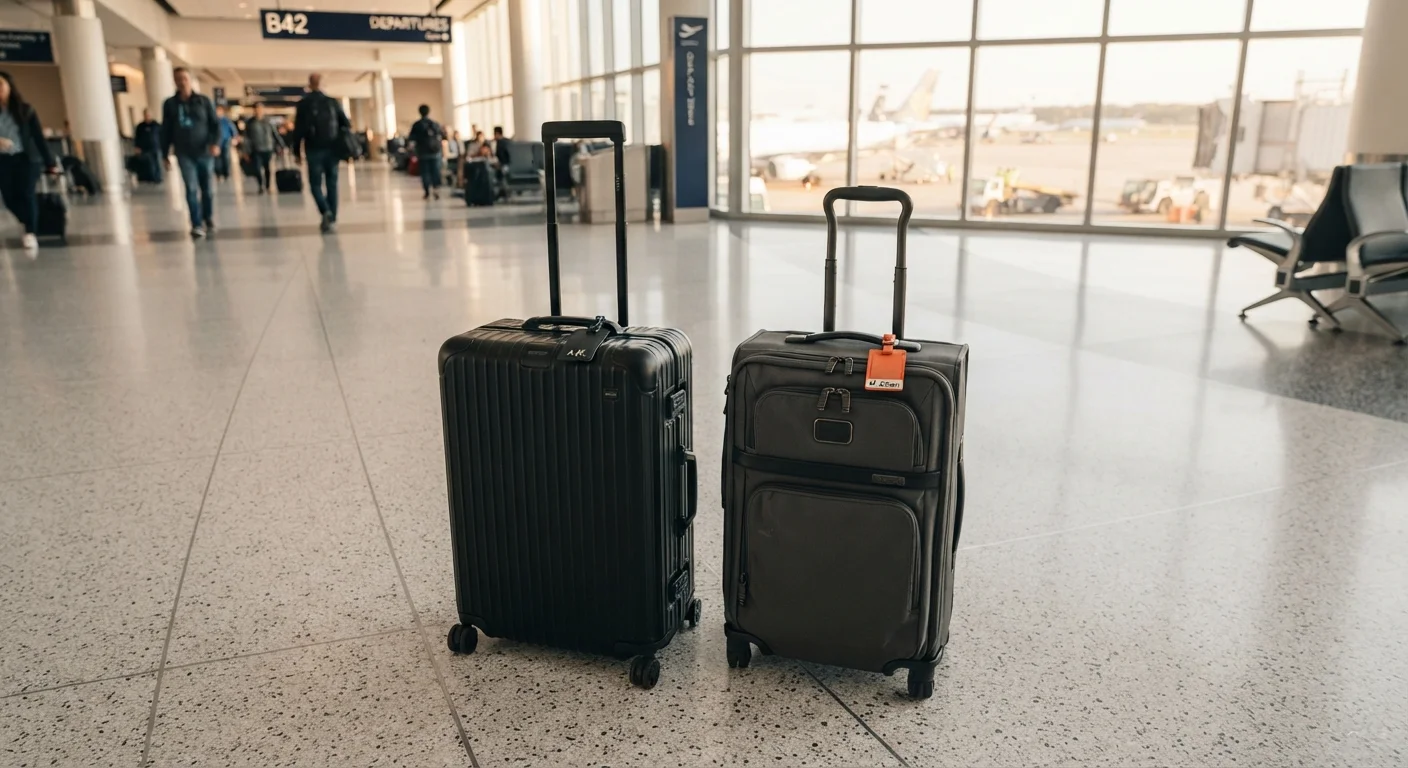
Photo: BridgeWish.com | Reliable Source Of Information editorial
Key Takeaways
- Hard-shell cases protect fragile contents better but weigh more and offer less packing flexibility.
- Soft-sided bags flex to fit tight overhead bins and typically offer exterior pockets for quick access.
- Your travel style — not just trip length — should drive which luggage type you choose.
- Neither type is universally superior; many frequent travelers own one of each for different trips.
What Actually Separates These Two Luggage Types
Hard-shell cases are typically made from polycarbonate, ABS plastic, or aluminum. Their rigid exterior holds its shape under pressure, resists crushing, and repels water more effectively. Soft-sided bags use woven nylon or polyester shells that flex, compress slightly, and often include exterior zip pockets — features hard shells can't match.
The difference isn't just material; it's a fundamentally different philosophy about what luggage is for. Hard shells prioritize protection. Soft bags prioritize adaptability. Understanding that trade-off up front makes the decision much easier. See also our deeper breakdown of luggage trade-offs for a more detailed material comparison.
| Soft-Sided Bag | Hard-Shell Case | |
|---|---|---|
| Weight | Generally lighter | Heavier at equivalent sizes |
| Flexibility | Compresses to fit tight spaces | Rigid — holds fixed shape |
| Protection | Moderate — depends on fabric | Strong — resists crushing and impact |
| Exterior pockets | Common — easy quick access | Rarely available |
| Water resistance | Varies; treated fabrics help | More reliable moisture barrier |
| Ease of cleaning | Fabric can absorb stains | Wipe-clean surface |
| Best use case | Carry-on, road trips, flexible travel | Checked bags, fragile contents |
Where Hard-Shell Cases Have a Clear Edge
If you regularly check luggage and worry about what happens in the cargo hold, hard shells earn their place. They resist dents, protect breakable items like camera equipment or bottles, and are less vulnerable to being forced open. TSA-approved locks integrated into the zipper frame add a layer of security that many soft bags can't replicate as cleanly.
Hard shells also handle wet weather better. Caught in a downpour at baggage claim? A polycarbonate shell keeps moisture out far more reliably than even a treated nylon exterior.
Spinners vs. Two-Wheel Rollers
One underrated advantage: hard shells are easier to wipe clean. Spilled coffee, scuff marks, and handling grime come off quickly — a genuine quality-of-life win for frequent travelers.
Where Soft-Sided Bags Come Out Ahead
Soft bags tend to weigh less than comparable hard shells, which matters if you're watching checked-bag weight limits closely. Their flexibility is the bigger story, though. A soft carry-on can be nudged and reshaped to slide into a full overhead bin in ways a rigid case simply cannot. If you travel carry-on only, that adaptability has real practical value.
Exterior pockets let you reach a passport, earbuds, or a snack without opening the main compartment — something hard-shell designs mostly can't offer. For road trips or train travel where bags get stacked in irregular spaces, soft bags compress to fit gaps that would stump a rigid case.
Pairing a soft bag with smart organization tools can extend its usefulness significantly. Our guide on packing cubes and compression bags explains how to maximize a soft bag's interior space without overpacking.
How to Match Luggage Type to Your Trip
Start with your packing method. If you roll clothes to save space, a soft bag with a roomy main compartment works well. If you fold and layer, a hard shell's flat interior can actually suit you better. Our rolling vs. folding guide covers how packing method affects bag choice in more detail.
Next, consider your itinerary. Checking a bag on a long international flight? A hard shell's durability makes sense. Bouncing between cities with budget-airline carry-on restrictions? A soft bag's flexibility wins.
Watch for Carry-On Size Restrictions
Finally, think about what you're packing. Cameras, wine, or anything breakable: go hard shell. Clothing-heavy trips with no fragile items: soft bags handle it comfortably. Many experienced travelers maintain one of each and choose based on the specific trip — a strategy worth considering if you travel more than a few times a year. For a full framework on this decision, see our carry-on vs. checked bag strategy guide.
The content on this site is for informational purposes only and is not a substitute for professional advice. Always consult a qualified professional for guidance specific to your situation.