
Why Overpacking Happens — and How to Break the Habit Before Your Next Trip

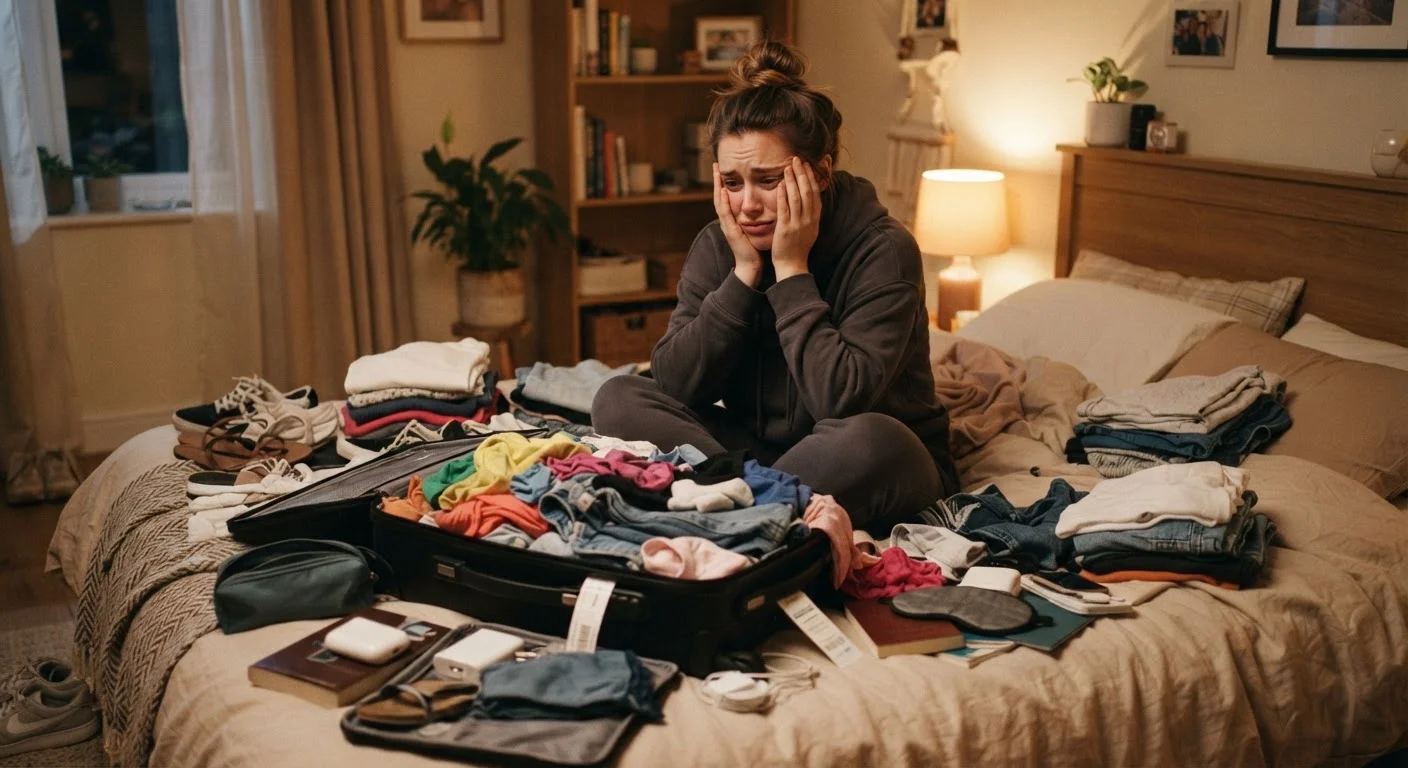
Photo: BridgeWish.com | Reliable Source Of Information editorial
Key Takeaways
- Overpacking is usually driven by anxiety and habit, not actual need.
- Packing decisions made weeks early are often worse than those made closer to departure.
- A firm packing list created after finalizing your itinerary dramatically reduces excess.
- Most destinations have stores — you don't need to pack for every possible scenario.
- Switching to a carry-on mindset forces smarter, more deliberate choices.
The Real Reason Your Bag Is Always Overfull
If you've ever zipped up a suitcase that felt way too heavy and promised yourself next time would be different — only to repeat the cycle — you're not alone. Overpacking isn't a willpower problem. It's a thinking problem, rooted in specific fears and habits that are entirely possible to break once you spot them.
Understanding why you overpack is the first step toward traveling lighter. As we explore in the case for packing light, less gear almost always translates to a more enjoyable trip — less to haul, fewer things to lose, and more mental clarity on the road.
Below are the most common overpacking mistakes, why they happen, and concrete ways to stop them before your next trip even begins.
Packing for hypothetical scenarios rather than your actual itinerary.
Treating packing as insurance against uncertainty.
Starting to pack too far in advance.
Duplicating items 'for safety' without realizing it.
Letting social pressure dictate outfit volume.
How to Build a Smarter Packing Habit
Breaking the overpacking cycle isn't about ruthless minimalism — it's about making intentional decisions earlier in your planning process. In fact, overpacking usually starts as a planning problem, not a packing one. The clothes and gear you throw in reflect the uncertainty left over from a poorly structured itinerary.
~50%
Packed items reportedly never used on a trip
Travel surveys consistently find that roughly half of what travelers pack never leaves the bag during a trip.
23 kg
Average checked bag weight reported by airlines
Airlines report that average checked luggage regularly approaches or exceeds standard weight limits, pointing to a widespread overpacking pattern.
Start by locking in your itinerary before touching your suitcase. Know your actual activities, weather range, and the number of days. Then build your list from that reality — not from a vague idea of what might happen. If you're heading somewhere long-term, packing light for extended travel requires a different framework, but the foundation is the same: plan first, pack second.
Don't Pack Based on a Worst-Case Weather Forecast
Frequent travelers tend to approach this differently from the start. They've learned through experience that most fears driving overpacking — running out of options, being underprepared — rarely materialize. Their mindset shift is something any traveler can adopt, even before a first international trip.
If you want to go deeper on what's quietly weighing down your bag beyond just the obvious items, this breakdown of subtle luggage culprits is worth a read. And for getting your broader trip planning on solid footing from the start, that's where lighter packing decisions begin.
The content on this site is for informational purposes only and is not a substitute for professional advice. Always consult a qualified professional for guidance specific to your situation.