
Trip Planning

Why Overpacking Is a Planning Problem, Not a Packing Problem

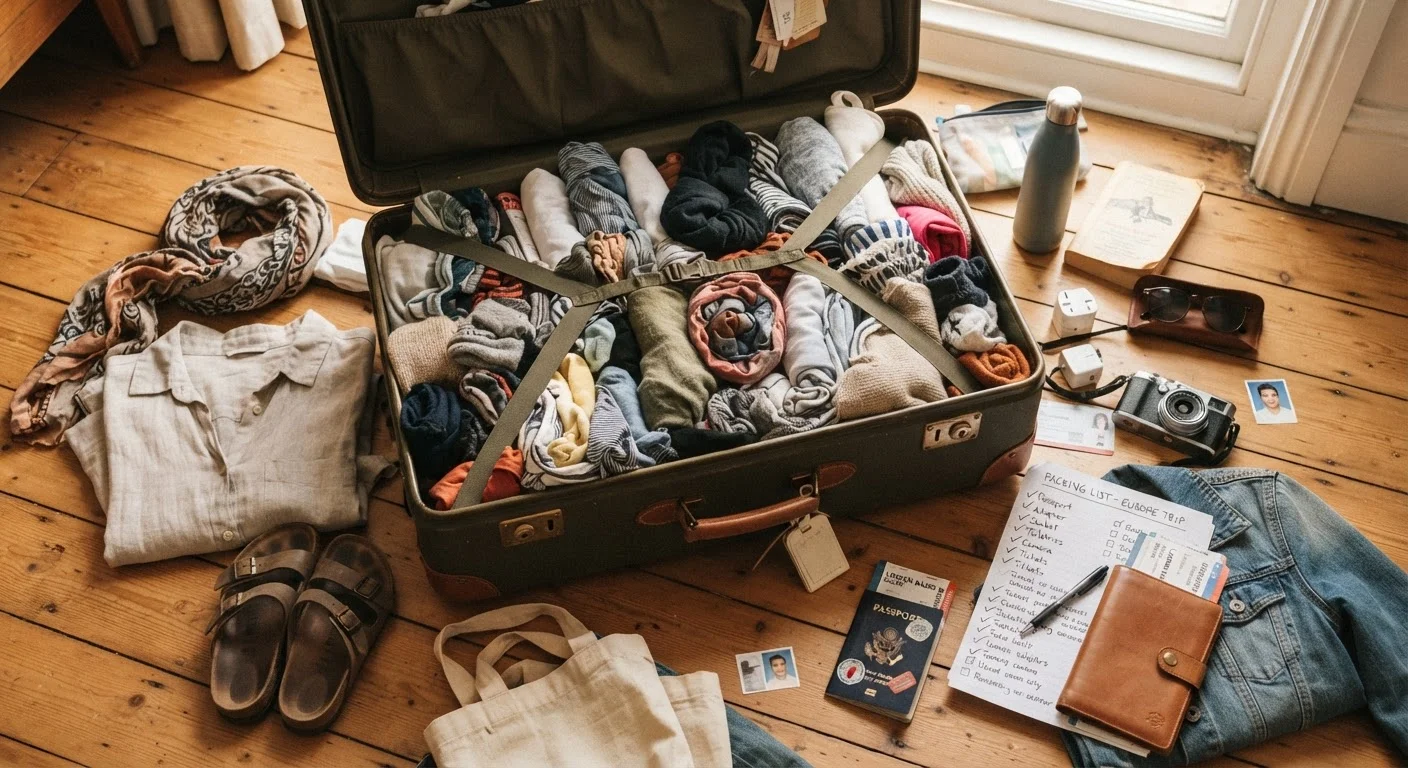
Why Overpacking Is a Planning Problem, Not a Packing Problem

Photo: BridgeWish.com | Reliable Source Of Information editorial

Overpacking usually starts weeks before the suitcase is opened. Understand the itinerary and logistics decisions that lead to carrying too much.

Key Takeaways

  • Overpacking is almost always caused by vague itinerary planning, not poor folding technique.
  • Not researching laundry options leads travelers to pack duplicate outfits they rarely need.
  • Packing for hypothetical scenarios — not actual planned activities — is one of the biggest culprits.
  • Choosing the wrong bag size early on forces travelers to fill space unnecessarily.
  • Solving the planning problem upstream eliminates the packing struggle downstream.

The Real Root of an Overstuffed Bag

Ask most overpacked travelers why their suitcase weighs 50 pounds, and they'll blame indecision at the dresser drawer. But the real decision failures happened much earlier — when the itinerary was left vague, laundry options went unresearched, and bag size was chosen before needs were clarified.

Packing light isn't a discipline skill. It's a planning skill. The good news: planning problems have planning solutions, and you can solve most of them before you ever touch a suitcase. For a deeper look at the psychology behind why this pattern repeats trip after trip, see why overpacking happens and how to break the habit.

The Suitcase Isn't the Starting Point

Most packing advice focuses on what to put in the bag — but overpacking is locked in weeks earlier, during itinerary and logistics planning. If you don't know exactly what you're doing each day, you'll pack for every possibility instead. Fix the plan first, and the bag fills itself correctly.

Common Planning Mistakes That Cause Overpacking

Each of the mistakes below happens upstream — in the weeks of planning before packing day. Fixing them doesn't require more willpower at the suitcase; it requires more clarity on paper first.

1

Building a vague itinerary with undefined activities.

Why it happens: Travelers often leave activity planning loose on purpose, wanting flexibility — but that ambiguity forces them to pack for every conceivable scenario.
How to avoid: Before opening your suitcase, map out your days in broad strokes: city walking, a beach day, one nice dinner, a hike. You don't need a minute-by-minute schedule — just enough clarity to know which categories of clothing and gear you actually need.
2

Skipping research on laundry access at the destination.

Why it happens: Most travelers assume laundry will be inconvenient or unavailable, so they compensate by packing enough clothes to never repeat an outfit.
How to avoid: Check whether your accommodation has laundry facilities or whether a nearby laundromat is accessible. Even one mid-trip wash cycle can cut your clothing count nearly in half, which is a significant weight reduction.
3

Packing for hypothetical events that aren't on the itinerary.

Why it happens: The mind naturally drifts to worst-case or best-case scenarios — a formal event that might come up, weather that could shift dramatically, or an activity a friend might suggest.
How to avoid: Stick to what's actually planned. If a formal dinner isn't booked, don't pack formal shoes. If hiking isn't on the itinerary, leave the trail gear at home. Flexibility is better achieved by buying or renting locally than by carrying extra weight for weeks.
4

Choosing an oversized bag before deciding what to pack.

Why it happens: Travelers often default to the largest bag they own, reasoning that having extra space means more options — but available space tends to get filled, regardless of need.
How to avoid: Decide what you genuinely need first, then select the smallest bag that fits those items comfortably. Starting with the bag's constraints actually helps clarify priorities and forces useful trade-offs.
5

Failing to account for items that can be purchased at the destination.

Why it happens: There's a common anxiety that essentials won't be available or will be prohibitively expensive elsewhere — especially toiletries, medications, or basic clothing.
How to avoid: Drugstores, supermarkets, and clothing shops exist in virtually every travel destination. Pack a small travel-size supply of what you need for the first day or two, and plan to buy locally if you run out. It's usually cheaper and lighter than hauling full-size versions across the country.

Packing 'Just in Case' Has a Real Cost

Airline checked-bag fees, overweight charges, and the physical strain of hauling heavy luggage can turn a dream trip into an exhausting slog. Beyond money, a heavy bag slows you down at airports, on transit, and during spontaneous detours. Every 'just in case' item has a tangible tradeoff worth weighing before it goes in.

If you find that your bag still feels heavier than expected even after addressing these planning issues, discover the subtle habits adding weight to your luggage — it's often not what you'd expect.

Turning Planning Clarity Into a Lighter Bag

Once the planning foundation is solid, packing becomes almost mechanical. You know your activities, you know your laundry plan, and you've chosen a bag sized to your actual needs rather than your anxieties. That's when the standard advice — pack versatile pieces, choose neutrals, use a packing list — actually works.

~50%

Packed items left unused on typical trips

Travel behavior surveys consistently find that roughly half of packed items go untouched — suggesting most overpacking stems from planning uncertainty rather than genuine need.

1 wash cycle

Mid-trip laundry needed to halve clothing count

Packing experts and frequent travelers widely note that a single mid-trip laundry session can allow travelers to halve their clothing load without sacrificing comfort.

For travelers heading out on extended journeys, these principles scale well. Packing light for long trips requires the same upstream planning discipline applied to a longer timeline. And if you're newer to packing for longer travel, a first-time week-long trip guide can help you build a reliable system from the ground up. Explore more strategies in the full Packing & Gear hub.

Travel Editorial Team

BridgeWish.com | Reliable Source Of Information

Travel Editorial Team is the collective byline for our editorial team and contributor network. Articles published under this byline or an editorial pen name are researched, written, and reviewed according to our editorial standards for clarity, consistency, and independence before publication.

Trip PlanningPacking & GearDestinations & Stays
View author profile

The content on this site is for informational purposes only and is not a substitute for professional advice. Always consult a qualified professional for guidance specific to your situation.