
Packing & Gear

Why Your Bag Always Feels Too Heavy (And What's Actually Causing It)

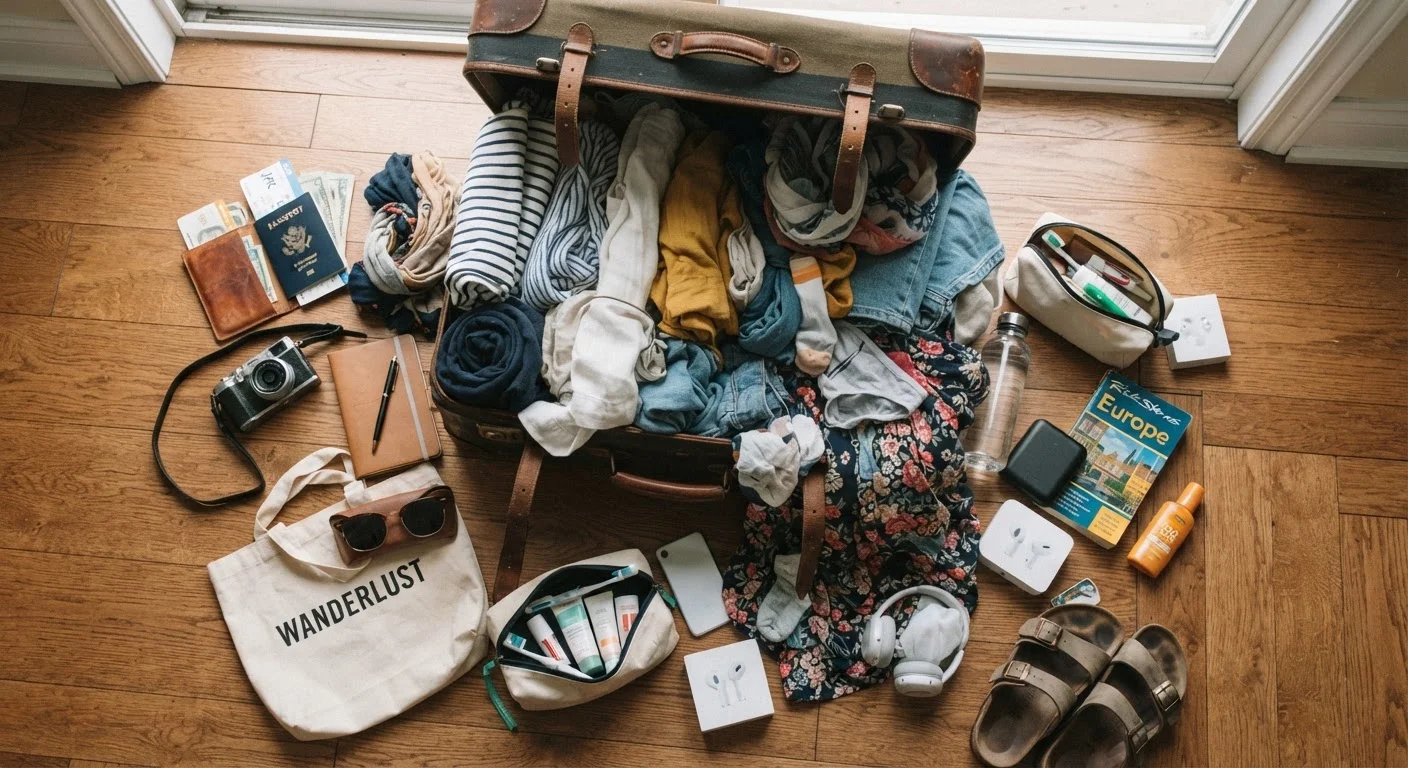
Why Your Bag Always Feels Too Heavy (And What's Actually Causing It)

Photo: BridgeWish.com | Reliable Source Of Information editorial

Overpacking rarely comes from obvious culprits. Discover the subtle habits and overlooked items that add weight to your luggage every trip.

Key Takeaways

  • Most bag weight comes from small, overlooked items rather than a single obvious culprit.
  • Packing out of anxiety rather than necessity is the leading driver of overpacking.
  • Shoes, liquids, and duplicate items routinely account for a disproportionate share of bag weight.
  • A simple pre-trip audit — questioning every item's purpose — can cut weight significantly.
  • Smarter organization often matters more than buying lighter gear.

The Real Reason Your Bag Is So Heavy

Most travelers assume their bag is heavy because of one big, obvious thing. In reality, it's almost never one item — it's a pattern of small decisions, each reasonable on its own, that compound into a bag that strains your shoulder and your patience before you've even reached the gate.

Understanding why this keeps happening is what actually breaks the cycle. The culprit isn't your gear — it's a set of habits and mental shortcuts that quietly add weight every time you pack. Overpacking is often rooted in specific anxieties that are worth recognizing before you ever open your suitcase.

~50%

Packed items often left unused

Travel behavior studies and frequent traveler surveys consistently suggest that roughly half of packed clothing goes unworn on typical leisure trips.

3–5 lbs

Weight added by shoes alone

A single pair of casual or dress shoes can weigh 1.5–2.5 lbs; packing three or four pairs quickly pushes total weight into overweight-bag territory.

The Mistakes That Are Silently Weighing You Down

These aren't dramatic errors — they're subtle habits that feel completely logical in the moment. That's exactly what makes them so persistent. Work through each one honestly before your next trip.

1

Packing for worst-case scenarios instead of likely ones.

Why it happens: Anxiety about being caught unprepared is a powerful motivator. Travelers mentally rehearse every possible situation — a sudden formal dinner, an unexpected cold snap — and pack for all of them.
How to avoid: Before adding any item, ask: 'How likely is this scenario, and could I realistically handle it another way if it happened?' Pack for your actual itinerary, not an imaginary one. Research your destination's weather and typical dress norms in advance.
2

Bringing too many shoes for the trip length.

Why it happens: Shoes feel like outfit anchors, and people instinctively want options. It's easy to justify a casual pair, a walking pair, a dress pair, and sandals — without realizing how fast the weight accumulates.
How to avoid: Choose shoes that serve at least two purposes and wear your bulkiest pair on travel days. Most trips of a week or less can be handled with two to three pairs maximum, and often just two.
3

Overpacking liquids and duplicating toiletries.

Why it happens: Full-size bottles feel more practical, and travelers often pack 'just in case' backups or forget that many accommodations provide basic toiletries.
How to avoid: Use travel-size containers for anything you'll use sparingly. Check what your accommodation provides before packing. When flying carry-on only, the TSA 3-1-1 liquid rule also serves as a natural weight limit — use it as a guide even when checking a bag.
4

Packing duplicate or overlapping clothing items.

Why it happens: People plan outfits in their head, then pack pieces that overlap without realizing it — three black tops, two similar cardigans, pants that don't coordinate with much else.
How to avoid: Lay everything out before it goes in the bag and build outfits intentionally. Every item should work with at least two others you're bringing. A cohesive color palette makes this significantly easier.
5

Using a bag that's too large for the trip.

Why it happens: Empty space feels like waste, and travelers unconsciously fill whatever size bag they've chosen — a phenomenon sometimes called 'Parkinson's Law of Packing.'
How to avoid: Match your bag size to the trip length and type before you start packing. A weekend bag for a weekend trip. A carry-on for trips under two weeks. Choosing a smaller bag is one of the most effective constraints you can place on yourself.

Weigh Your Bag Before You Leave Home

Many travelers don't discover how heavy their bag is until they're at the check-in counter facing an overweight fee. Invest in a simple handheld luggage scale and weigh your packed bag before every trip. If it feels uncomfortable to lift at home, it will feel significantly worse after a long travel day.

How to Build a Lighter Packing Habit

Packing light isn't about deprivation — it's about intention. The practical case for traveling with less goes well beyond avoiding baggage fees. Lighter bags mean faster movement, less stress, and more flexibility when plans shift.

Start with a packing audit: lay everything out before a single item goes in the bag. Question each item's purpose and frequency of use. If you can't picture yourself reaching for it at least twice during the trip, leave it behind. And remember — overpacking usually starts weeks before the suitcase is opened, in the planning decisions you make about your itinerary.

If you're ready to rethink what actually earns space in your bag, here's what travel gear consistently earns its place — and why. And don't underestimate your personal item: packing it strategically can meaningfully expand your carry-on capacity without adding a checked bag.

Don't Rely on 'I'll Buy It There' as a Strategy

Leaving items behind with the plan to buy them at your destination can backfire — particularly for specialty items, medications, or gear you depend on. While it's reasonable to skip buying toiletries in advance, don't use this mindset as a blanket excuse that leads to underpacking essentials you'll genuinely need on day one.

Travel Editorial Team

BridgeWish.com | Reliable Source Of Information

Travel Editorial Team is the collective byline for our editorial team and contributor network. Articles published under this byline or an editorial pen name are researched, written, and reviewed according to our editorial standards for clarity, consistency, and independence before publication.

Trip PlanningPacking & GearDestinations & Stays
View author profile

The content on this site is for informational purposes only and is not a substitute for professional advice. Always consult a qualified professional for guidance specific to your situation.