
DIY Car Maintenance vs. Taking It to a Shop: When Each Makes Sense

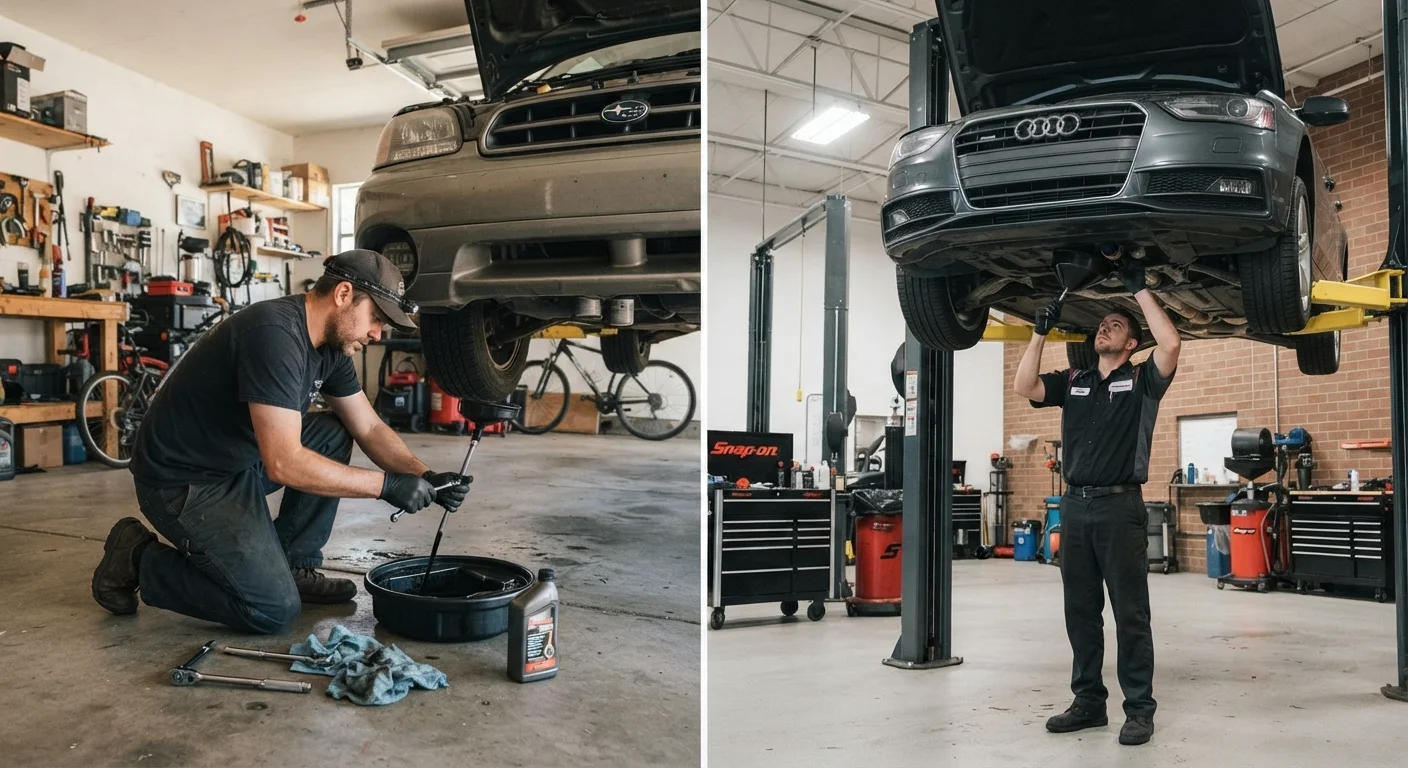
Photo: BridgeWish.com | Reliable Source Of Information editorial
Key Takeaways
- Simple maintenance like air filters, wiper blades, and fluid top-offs are genuinely owner-friendly with basic tools.
- Brake system work, suspension repairs, and airbag-adjacent jobs carry real injury risk and should go to a qualified mechanic.
- Your skill level, available tools, and the safety stakes of the task should all factor into the DIY-or-shop decision.
- A botched DIY repair can cost more to fix than the original professional service would have.
The Core Question: What Are You Actually Risking?
Every DIY-vs.-shop decision comes down to two variables: your competence with the specific task, and the consequences if something goes wrong. Replacing a cabin air filter incorrectly wastes fifteen minutes. Misinstalling a brake caliper can cause a crash. These are not equivalent risks, and treating them as such is one of the most common mistakes home mechanics make.
For a broader look at vehicle upkeep from the ground up, see the complete car ownership and maintenance guide, which covers fluid checks, tire care, and seasonal prep in one place.
Start With Your Owner's Manual
Tasks That Are Genuinely Owner-Friendly
A meaningful category of maintenance jobs requires only basic tools, carries low safety stakes, and comes with clear instructions in your owner's manual or from reputable automotive sources. These are reasonable candidates for DIY:
- Engine and cabin air filter replacement - typically a clip or screw away, no special tools needed.
- Wiper blade replacement - straightforward swap with directions on most blade packaging.
- Fluid top-offs - coolant, washer fluid, and power steering fluid can be checked and topped up at home. Engine oil top-offs (not full changes) are similarly accessible.
- Battery replacement - manageable with basic hand tools, though some modern vehicles require a computer reset afterward. If you're unsure whether the battery is really the issue, understanding battery versus alternator versus starter failures first can save an unnecessary parts purchase.
- Tire inflation and rotation - checking and adjusting pressure requires only a gauge; rotation requires a floor jack, jack stands, and a torque wrench for proper lug nut tightening.
New owners often skip several of these items entirely. The maintenance tasks first-time owners most often overlook covers the service items that frequently fall through the cracks.
| Task | DIY-Friendly | Shop Recommended | |
|---|---|---|---|
| Air filter replacement | Yes - minimal tools, low risk | Unnecessary for most drivers | |
| Wiper blade swap | Yes - simple, no tools needed | Unnecessary for most drivers | |
| Brake pad replacement | Experienced DIYers only | Recommended for most drivers | |
| Suspension/steering repairs | Not recommended | Yes - safety-critical precision required | |
| Airbag/SRS system work | Never - serious injury risk | Yes - always | |
| Battery replacement | Yes - with owner's manual guidance | If reset or diagnostics needed | |
| Check engine light diagnosis | Code reading only, not diagnosis | Yes - proper diagnostic equipment needed |
Jobs That Belong in a Professional Shop
Some repairs demand more than a YouTube tutorial and a socket set. When the work touches safety-critical systems, requires specialized diagnostic equipment, or involves components where a single mistake has severe consequences, a qualified mechanic is the right call.
- Brake system repairs - pad replacement is on the edge for experienced DIYers, but caliper rebuilds, brake line work, and ABS diagnostics require professional-grade tools and precision.
- Suspension and steering components - incorrect torque specs or alignment errors can make a vehicle unpredictable at highway speeds.
- Airbag and SRS system work - accidental deployment can cause serious injury. This is unambiguously shop territory.
- Transmission service and internal engine work - the complexity and tooling required make errors expensive and common without professional training.
- Check engine light diagnostics - a code reader gives a fault code, not a diagnosis. A shop with proper diagnostic software can identify root causes correctly.
If a shop estimate arrives and the line items feel unfamiliar, understanding what those charges actually mean can help you evaluate it confidently.
A Failed DIY Repair Can Cost More Than the Original Job
Making the Call: A Practical Framework
When you're standing in the driveway unsure which way to go, run through these questions:
- Do I understand the full procedure, not just the first step? Confidence at step one doesn't mean confidence throughout.
- Do I have the right tools - and do I know how to use them correctly? Improvised substitutes often cause more damage than the original problem.
- What happens if I make a mistake? For low-stakes jobs, a redo is annoying. For brake or steering work, the consequences can be serious.
- Will a DIY attempt void a warranty or create a liability issue? Some repairs on newer vehicles require dealer or certified shop documentation to preserve coverage.
For a deeper look at how to think through this kind of decision - including when to stop a job midway - see knowing where the line is between DIY and professional help.
The goal isn't to avoid the shop at all costs. It's to make informed decisions that keep your vehicle safe, reliable, and within your actual capabilities.
The content on this site is for informational purposes only and is not a substitute for professional advice. Always consult a qualified professional for guidance specific to your situation.